

Estimated reading time: 12 minutes
Key Takeaways
- Nostalgic flavors serve as emotional anchors, grounding consumers in familiarity amid uncertainty.
- The nostalgia economy not only evokes feelings of the past but also drives purchasing behavior across generations.
- Gen Z pushes the nostalgia trend forward, seeking authentic, aspirational ‘fauxstalgia’ from eras they didn’t live through.
- Food developers must treat nostalgic flavors as lasting platforms, moving from limited-time offerings to consistent market staples.
- Innovative product development relies on balancing past joyful tastes with modern consumer trends for long-term success.
The Power of Nostalgic Flavors in Food and Beverage
Nostalgic flavors are nothing new. The way they’re impacting the food and beverage industry is.
The question is why?
In a world of constant uncertainty, nostalgic foods help ground us in the comfort and familiarity of the past.
I live in a place where the State Fair is still a big deal. Well…everything is big here. Just like Big Tex, who has been welcoming fairgoers since 1952.
To this day, as soon as we walk through those gates, many of us rush straight for the same snack vendors that have been frying up calorie-packed snacks since we were kids.
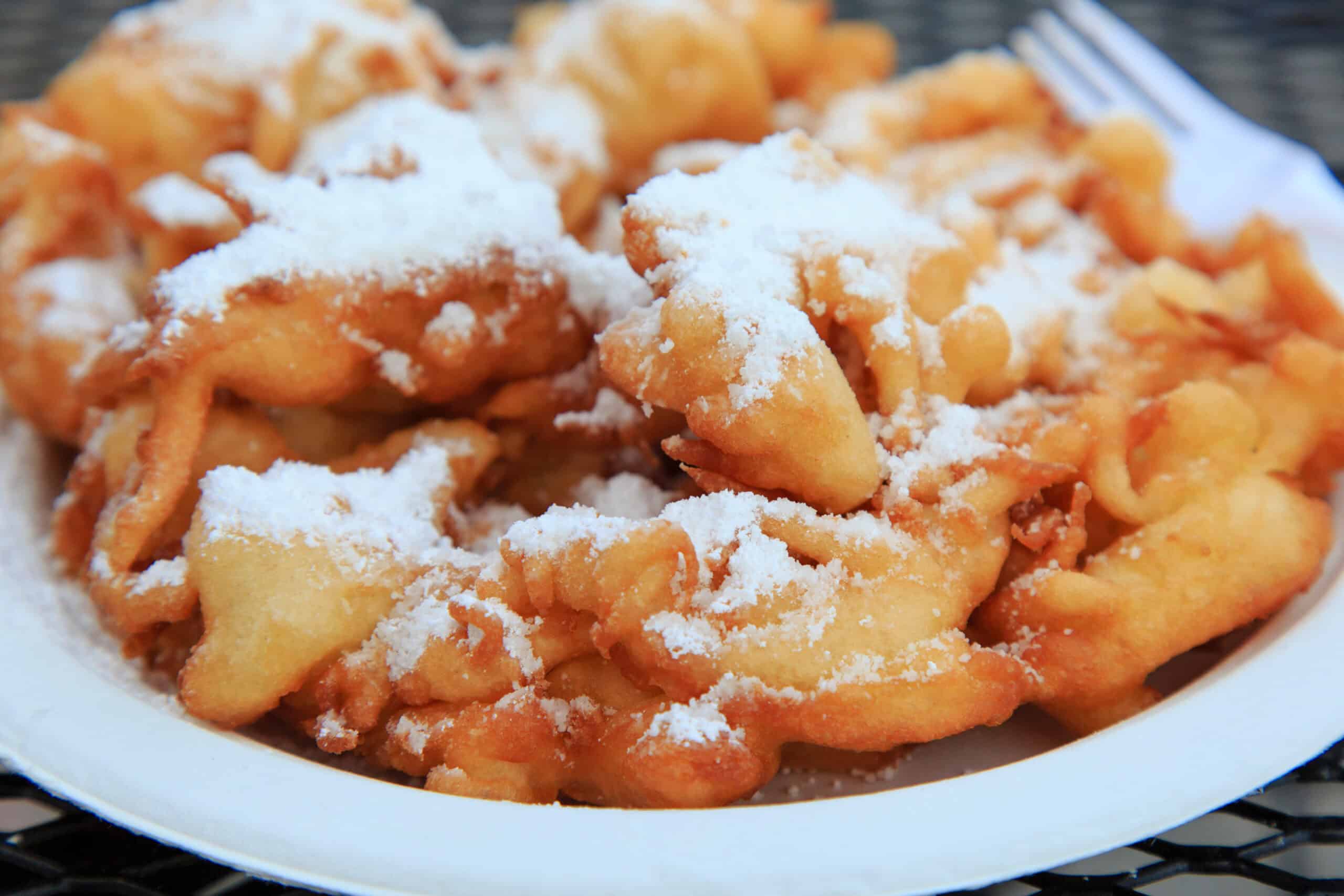
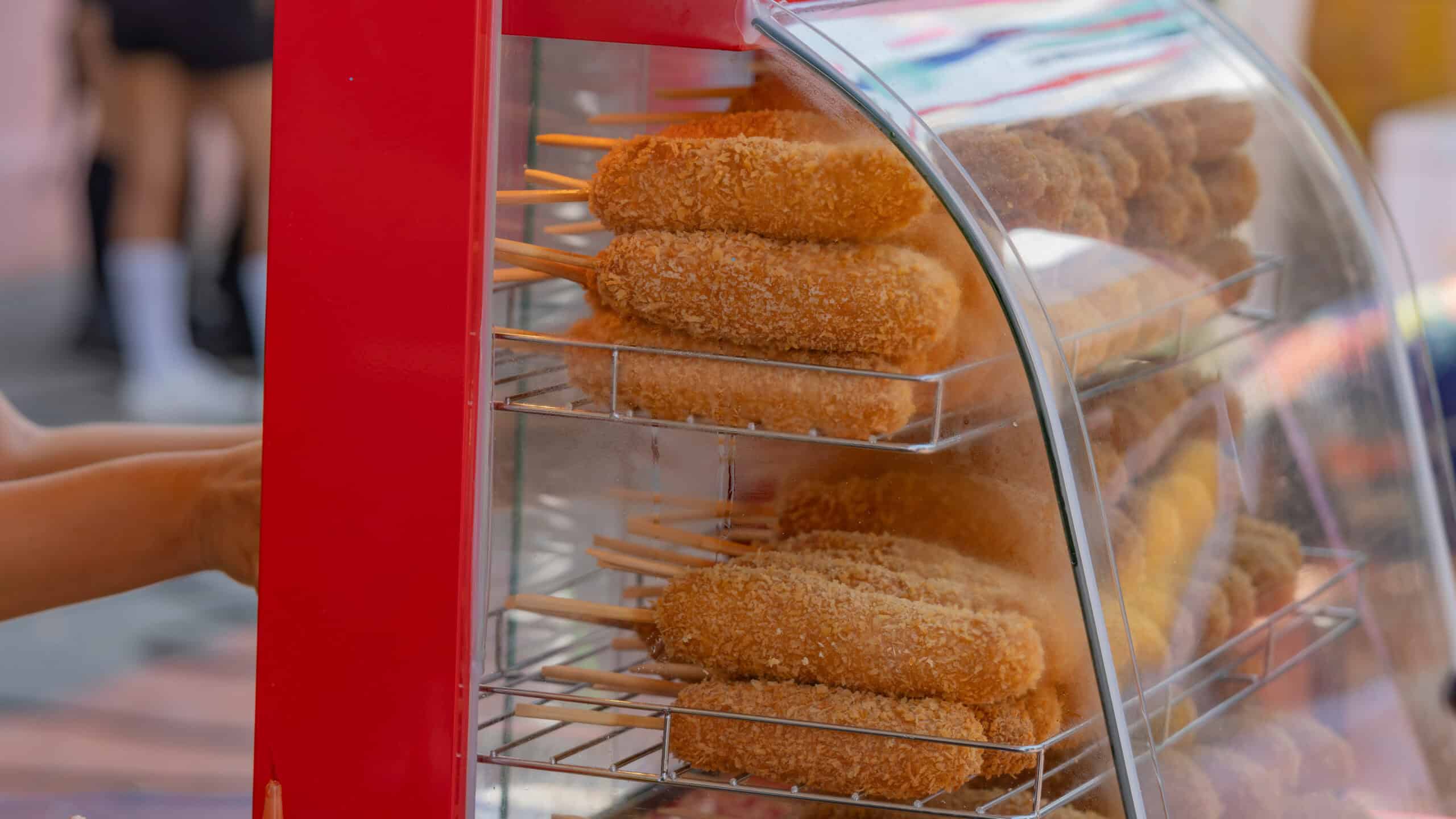
We’re talking fried Twinkies (yes, really!), Fletcher’s Corny Dogs, and my personal MUST have at every fair, carnival, or boardwalk…funnel cakes.
And I know I’m not alone in this.
What nostalgia looks and tastes like might vary by generation or locale, but the simple joy and connection to memories these products provide are universal.
That’s because these foods offer us more than just memories. They create powerful emotional anchors to simpler times or moments when we felt taken care of. Which is why the nostalgia trend has evolved from a marketing tool into a fundamental pillar of food innovation.
The questions now become what was the trajectory that took us from “Newstalgia” LTOs to nostalgia as a core platform, and what does this mean for developers going forward?
More Than a Feeling: The Nostalgia Economy
Even before the newstalgia trend took the food and beverage industry by storm, nostalgia was big business.
Whether it was the reemergence of bell-bottoms and lava lamps in the late 90s and early 00s, today’s Gen Z obsession with digicams and Y2K fashion (the kind Millennials thought we laid to rest), or the constant stream of TV reunions, reboots, sequels, and successful nostalgia-packed franchises like Stranger Things, bringing the past to the present continues to resonate across generations.
According to a 2025 poll by Civic Science, 62% of respondents felt at least “somewhat” nostalgic for the past, with 20% feeling ‘extremely’ nostalgic. But the nostalgia economy is about more than a feeling; it makes people more likely to open their wallets.
It also found that 48% of Americans, across all age groups, were at least somewhat likely to purchase something to evoke feelings of the past. Over 80% stated they would be willing to spend more for nostalgic products (23% very willing, 60% somewhat willing).
Unsurprisingly, Gen Z led the way in their desire to purchase nostalgia at 61%, with millennials coming in second at 51%.
While nostalgia hits every generation in the feels, younger adults are the clear driving force behind the nostalgia renaissance.
The Social Network Effect: Viral Nostalgia
Nothing better illustrates nostalgia’s power than the viral social media movement declaring “2026 is the new 2016.” TikTok searches for “2016” increased 452% in a single week, with over 55 million videos created using their 2016-era filter. Spotify recorded a 71% increase in “2016” playlists compared to the prior year.
It’s also no coincidence that 2016 is hitting the way it is. Young millennials are now in their early 30s, older Gen Z are in their late 20s, and younger Gen Z were in the middle of childhood, so 2016 is rife with familiarity and comfort across the board.
But unlike other generations, Gen Z isn’t only longing for tastes from their lifetime…
The Gen Z Factor: Fauxstalgia and Nostalgic Flavors of Tomorrow
Tech-savvy Gen Zers have over-indexed on influence, driving trends from their smartphones. However, their youth has kept them from having a major financial impact in the market.
That’s about to change.
Now, Gen Z is projected to represent 40% of global consumers, with global income reaching $17 trillion. And many of these young adults turn to food for emotional escape or fun.
The difference? Gen Z’s nostalgia isn’t autobiographical; it’s aspirational. They’re nostalgic for decades they never experienced, drawn to eras that feel colored less by algorithms and more by authenticity.
This “fauxstalgia” allows developers to draw inspiration from a virtually limitless pool of nostalgic flavors. Whether it’s reviving or reimagining tastes from the ’70s, ’80s, ’90s, or ’00s, no decade is off limits for this demographic.
Striking the balance between modern, retro, and authenticity is the recipe for viral success with these generations. It’s also what’s turned nostalgia trends from kings of the LTO (limited-time offer) into mainstays dominating the market.
This Will be an Everlasting Love: From Limited-Time to Long-Term
For years, nostalgic flavors entered the market through LTOs.
They leveraged the time-tested strategy of evoking emotional connection, creating urgency, and driving interest. But times have changed.
What started as limited-time offerings and throwbacks to the past are now becoming staples on supermarket shelves and menus worldwide.
Taco Bell’s Decades Menu is a perfect example. It featured items from each decade of the chain’s history. The campaign successfully tapped into Gen Z’s fascination with eras they never experienced personally but feel connected to through social media.
The campaign was so successful that it ran twice. Taco Bell’s Crispy Chicken Nuggets, another nostalgia-adjacent offering, saw nearly 1 in 6 orders include nuggets after their release, prompting the chain to make them permanent.
This shift from LTO to line extension or menu expansion is occurring across all categories. As Silvia Schnicker, Director of Marketing at Edlong, stated in the article Food & Beverage Trends Defining 2025 & A Look Ahead to 2026 report, “At this point, it’s probably safe to say that [newstalgia and global flavors are no longer trends, but rather, permanent fixtures within the food and beverage market… In my opinion the reason these trends have lasted so long, and clearly seem to be here to stay, is simple: they aren’t stagnant, they are dynamic.”
I agree. And it’s why this combination of comfort and dynamism should be front and center in a brand’s development pipeline.
Understanding Nostalgic Flavors in Your Product Development Timeline
Unlike viral trends that flood “for-you” pages only to fizzle out before they hit store shelves, nostalgia has staying power.
That said, developers can’t simply react to what’s trending today; they have to “see” what’s next.
Even with shorter development timelines, the products hitting shelves today were conceived and formulated over the past 12 – 24 months.
Products entering the pipeline now need to be trending in 2027 – 2028.
This creates a unique challenge for developers, who have to understand what’s happening today, trace it back to what was hot two to three years ago, and project it forward to anticipate where consumer sentiment will be when the product finally launches.
But treating nostalgia as a platform and launch pad for development gives brands a unique advantage by leveraging past success and familiarity.
In this new era, nostalgia also incorporates global flavors.
Let’s take the obsession with 2016, for example. A decade ago, matcha was the emerging ingredient everyone wanted to try. Ube burst onto the scene. Açaí bowls took over Instagram.
Today, every one of these flavors is not only still present but are permanent fixture on menus and store shelves nationwide. The North American matcha market alone was valued at $2.24 billion in 2024 and is projected to hit $3.34 billion by 2033.
At first glance, these might not feel nostalgic to us, but to younger generations, they are.
Whether it’s international-inspired flavors consumers experienced directly, or the nostalgia of friends or influencers, the universality of nostalgia is making its presence known.
This only further illustrates the depth and range of options available for nostalgia-inspired developments.
What was yesterday’s LTO is today’s core product. Let’s explore how developers can do the same for tomorrow’s releases in several core categories.
Nostalgic Flavors in Ice Cream: A Proving Ground for Innovation
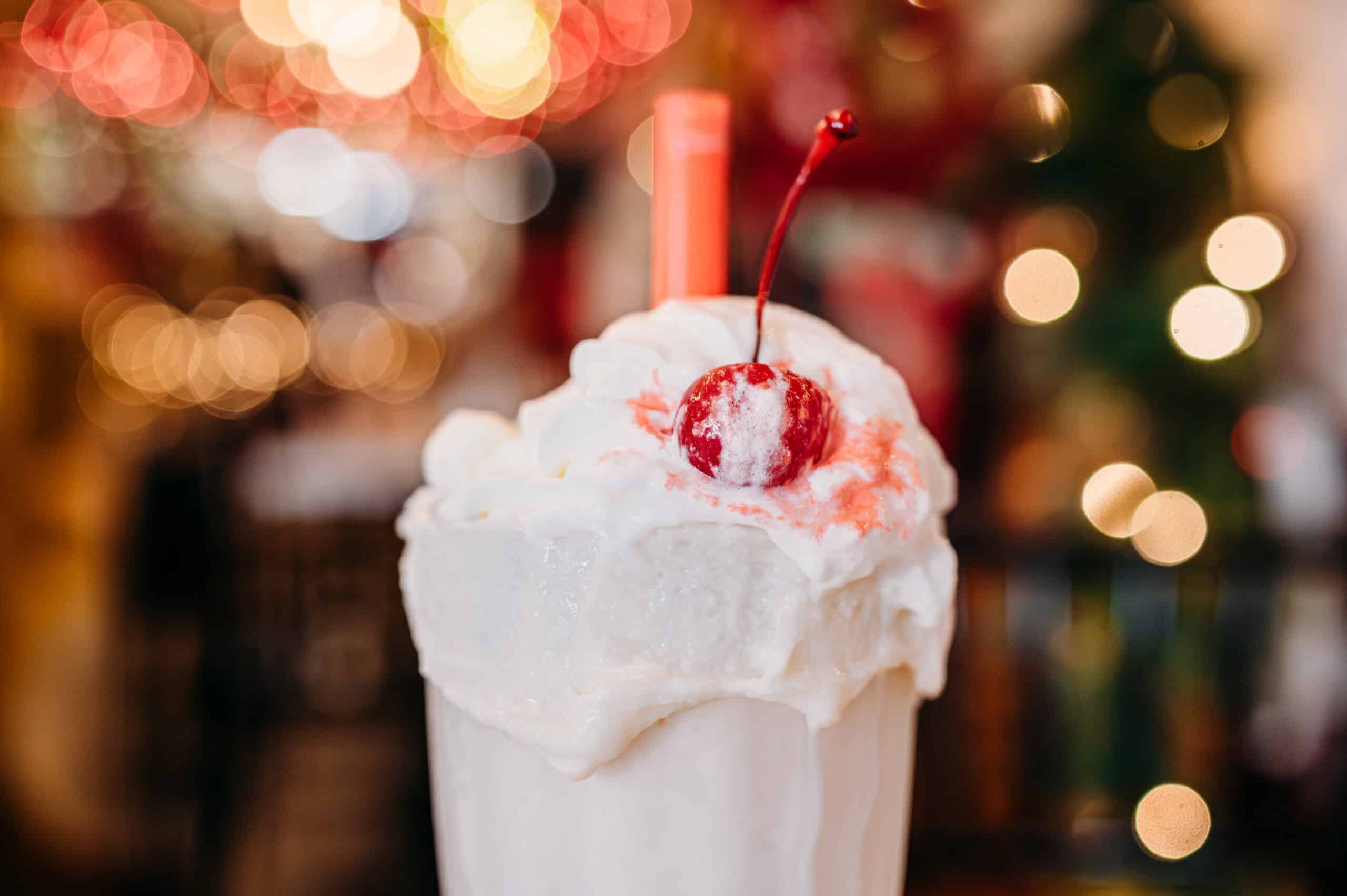
I scream, you scream, nothing screams nostalgia like ice cream.
In 2025, the U.S. ice cream market was valued at $21.64 billion, and is projected to reach $30 billion by 2033. So it only makes sense that one of America’s favorite treats has become the ultimate testing ground for nostalgic innovation.
As much as international flavors like mango chamoy or vanilla chai, and sensory-maxxing products like a revival of the ice cream taco are making a name for themselves in pints and scoop shops, classic Americana and vintage pairings are leading the way.
Orange cream has seen such a revival recently; some are seeing it as the pumpkin spice of summer.
Its popularity also points to the soda shoppe revival that continues to gain momentum.
From classic orange-vanilla pairings to modernized root beer and other retro floats, soda fountain concepts are getting reimagined with cross-generational appeal.
Cold Stone Creamery’s retro summer lineup included a Classic Fudge Sundae and an Orange Cream Float, tapping directly into memories of corner drugstore soda fountains.
Bakery-inspired ice cream continues to take the cake. Classic ice cream flavors like cookies & cream and chocolate chip cookie dough remain among the highest-trending flavors.
But the next wave of nostalgic ice cream flavors is more specific with lunchbox favorites like Cosmic Brownie concepts, all with steady success.
Meanwhile, iconic candy bar crossovers and snacktime staples are diving headfirst into ice cream nostalgia. Beyond classic inclusions, we’re seeing format innovation from the likes of Butterfinger, Baby Ruth, Oatmeal Cream Pies, and even Pop-Tarts.
Combining childhood tastes with familiar formats creates peak ice cream nostalgia for developers and frozen dessert suppliers.
Nostalgic Flavors in Bakery: American Pie and More
The regionality of classics and family favorites is baked into the nostalgia of bakery items.
However, CPGs are taking these traditional tastes across the country for consumers to create their own memories.
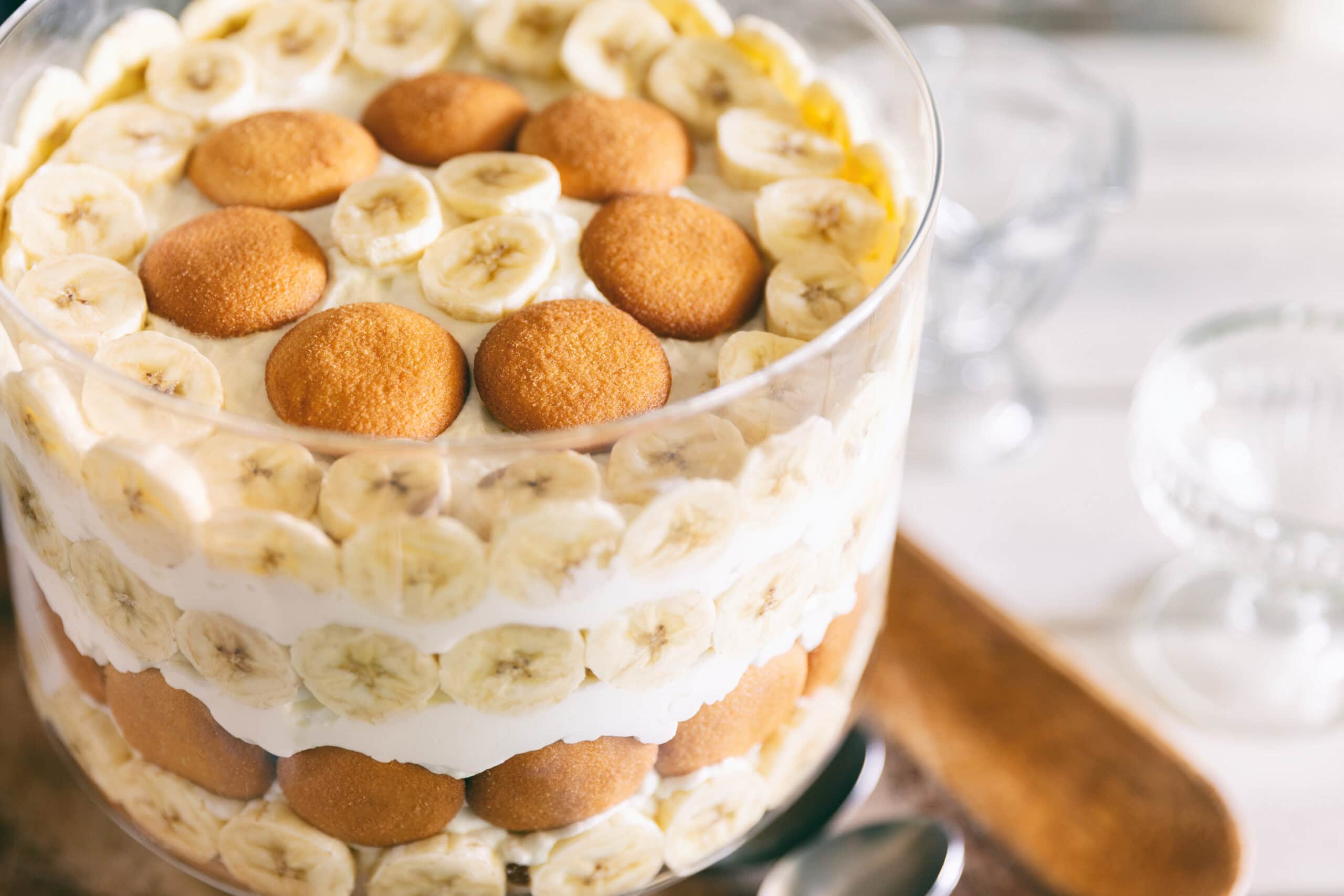
Banana pudding, a Southern classic, is the perfect example.
Nothing Bundt Cakes brought back its fan-favorite Banana Pudding Cake, baked with real banana purée and Mini NILLA Wafers, while Little Debbie launched its Banana Puddin’ Creme Pie. The banana revival extends to banana puddings, pies, and bakery innovations. It also signals potential for pairing with warm tastes like cinnamon, chocolate, and coffee.
Cookie butter/speculoos is everywhere. With menu mentions across the board, it’s appearing in frostings, brioche centers, cake fillings, croissant fills, donuts, and more.
Though newer to many stateside, the sweet, creamy comfort it offers makes it the perfect vehicle for format innovation.
Cookie butter variants already hitting the market include cinnamon roll, tiramisu, salted caramel, and chai spice, to name a few.
Nostalgic Flavors in Beverages: A Revolution in Retro Drinks
Perhaps no category demonstrates nostalgia’s meteoric rise like beverages.
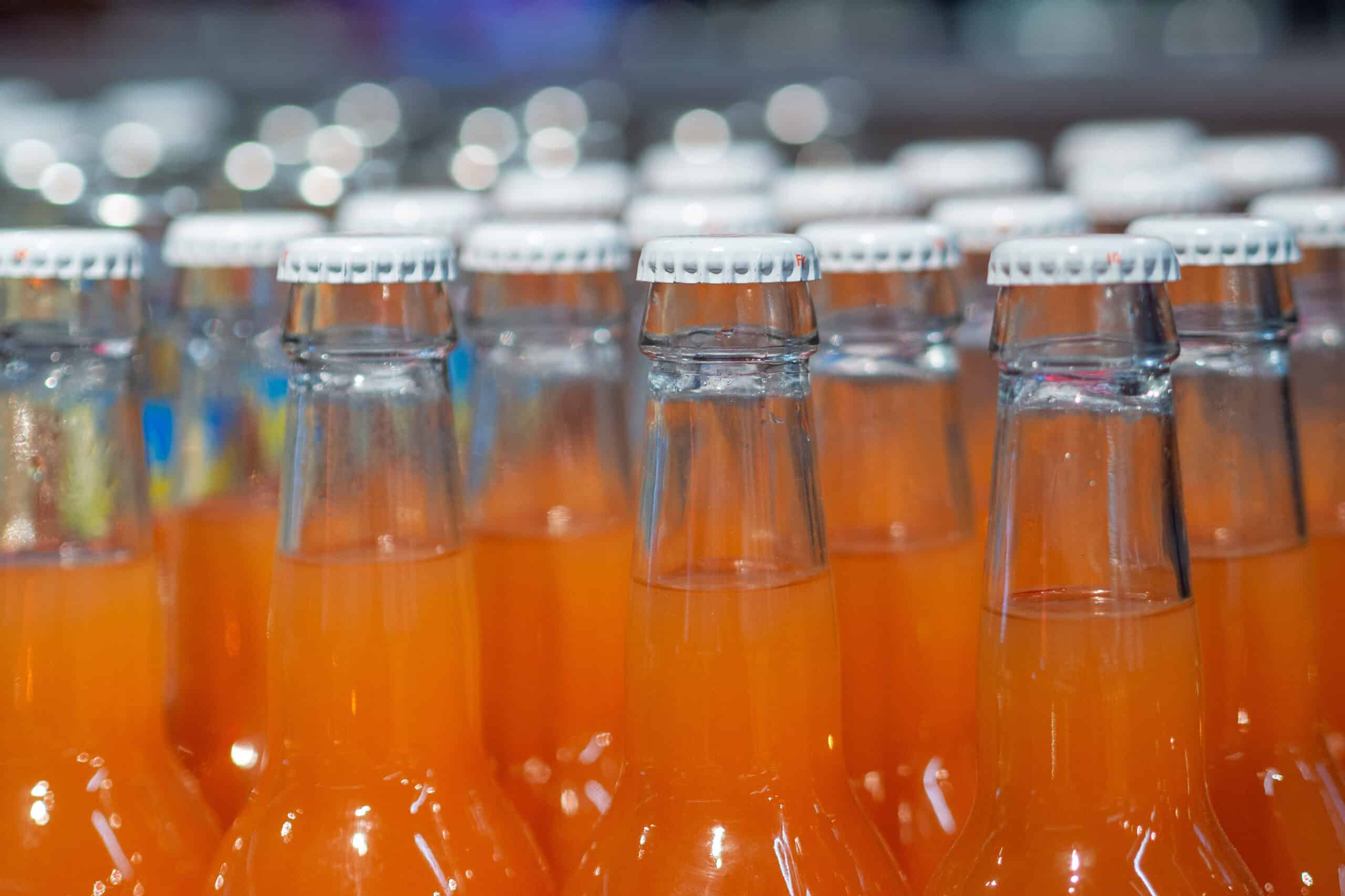
The Shirley Temple has emerged as the breakout beverage of the year. With Olipop, Poppi, Gatorade, Loverboy, and multiple indie brands all launching their own versions of this classic. In fact, USA Today declared 2026 “the year of the Shirley Temple.”
The popularity of dirty sodas, sodas with a cream or creamer mixed in, continues to gain popularity. Driven by the visual appeal and a craving for customization, these beverages are leaping from viral darlings to supermarket standouts.
Classic sodas like lemon-lime, cherry, and cola are experiencing a rebirth in functional formats. Brands are adding new life to these fan favorites with prebiotics, lower sugar, and clean-label positioning.
Cold foam toppers are a perfect example of nostalgia as a platform. This combination of new and familiar has expanded beyond coffee chains to frozen drinks and soda fountains, with flavors ranging from classic vanilla and salted caramel to cotton candy and lavender.
You Ain’t Seen Nothing Yet: Nostalgic Flavors as an Innovation Platform
The evolution from “newstalgia” to core offering is not a passing phase. It has shifted to a key pillar for innovation in the food industry.
Nostalgia hits every generation, and that’s why it’s the trend that keeps on trending.
Whether you’re trying to revisit the joys of the state fair, bring back the sweet taste of the school lunch snack swap, or make it taste just like grandma’s used to, carbon copies of past treats just don’t cut it anymore.
Development in this new age of nostalgic products is about more than looking backward. It’s about reimagining the comfort and joy of the past for today’s consumers.
This requires brands to have an eye on the past while also looking ahead to the future.
Discover this new era of nostalgic development.
Reminisce through five flavor concepts: Apple Cider Donut, Funnel Cake, Strawberry Rhubarb Crisp, Stout, and Pistachio Raspberry Truffle — dive into tasting notes, key ingredients, and our modern take for each