
Functional botanicals in ice cream might be ready for their moment.
Long seen as novel and niche, botanicals uniquely fall at the intersection of some of this decade’s biggest trends.
With an industry-wide shift towards healthier, functional, and better-for-you products and growing consumer demand for flavor exploration, incorporating botanicals in ice cream is an incredible way to deliver craft indulgent, on-trend offerings.
Data from recent years seems to back up this blossoming botanicals trend.
One survey found that 51% of consumers globally (40% of U.S. consumers) are extremely interested or interested in botanicals. Similarly, 57% of consumers say the presence of botanical ingredients influences their food and beverage choices.
While it is partially due to interest in these profiles, it’s not only about culinary curiosity. Naturally, it also has to do with the perception of botanicals being healthy and natural.
The power of this connection can’t be underestimated. That’s because 69% of global consumers say that the more natural a product feels, the more they believe it supports long-term health.
This makes sense from a consumer psychology perspective. But it also helps us understand what makes ice cream an ideal format for botanical innovation.
Why Functional Botanicals in Ice Cream Works?
The need for healthier products is at an all-time high, but so are consumer cravings for indulgent sweet treats.
A quick search on social media will yield countless numbers of “healthy” ice cream recipes. A walk through the freezer section and countless better-for-you options are at your fingertips.
Sensory maximalism is also driving ice cream developments. It emphasizes not only taste and texture, but also visual aesthetics, and the “instagramability” of offerings.
Elevated pints and specialty scoop shops have taken this trend and run with it. And it’s worked.
Thanks to ice cream’s timeless indulgence and cross-generational appeal, it’s the perfect canvas for introducing botanical ingredients.
Understanding Functional Botanicals in Ice Cream
When we’re talking about flavor profiles, the definition of botanicals is often open for interpretation.
It can include everything from flowers and fruits to herbs and spices, and even seeds and vegetables.
But when looking specifically at functional botanicals in ice cream, it can usually be narrowed down to the following categories.
Floral
This is probably the first thing that comes to mind when talking about botanical flavors.
While growing in popularity, especially in cafe beverages, they are still relatively rare in ice cream.
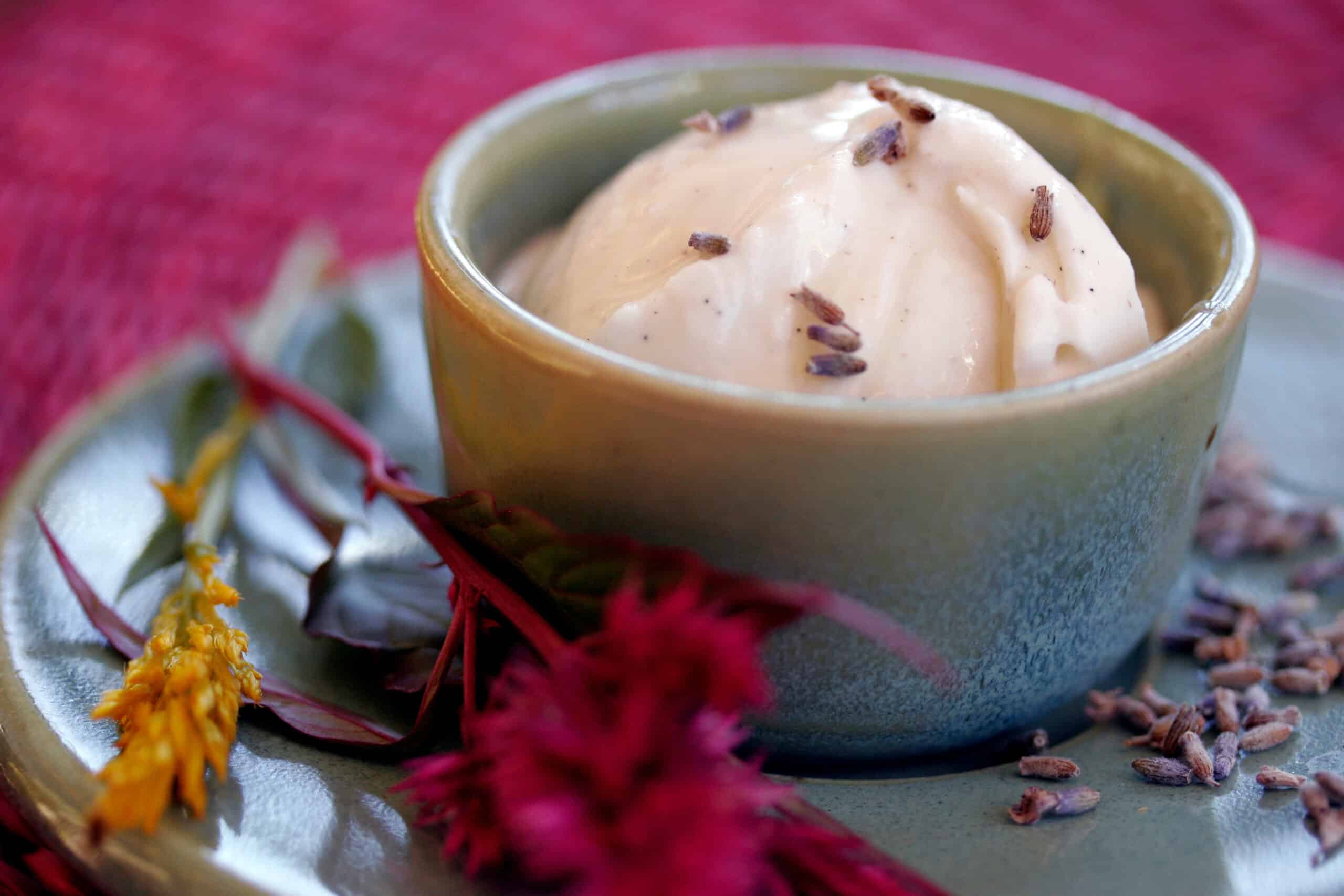
Lavender is easily the most popular of these. Often paired with lemon or blueberry, it is becoming increasingly common to see it in pints and scoop shops.
In Asia, cherry blossoms are a common seasonal springtime flavor. It demonstrates how fruit blossoms like orange and peach could use fruit familiarity as a draw for such flavors.
Other floral profiles like elderflower, rose, and even geranium, though still niche, are drawing developer and consumer attention.
Herbs & Spices
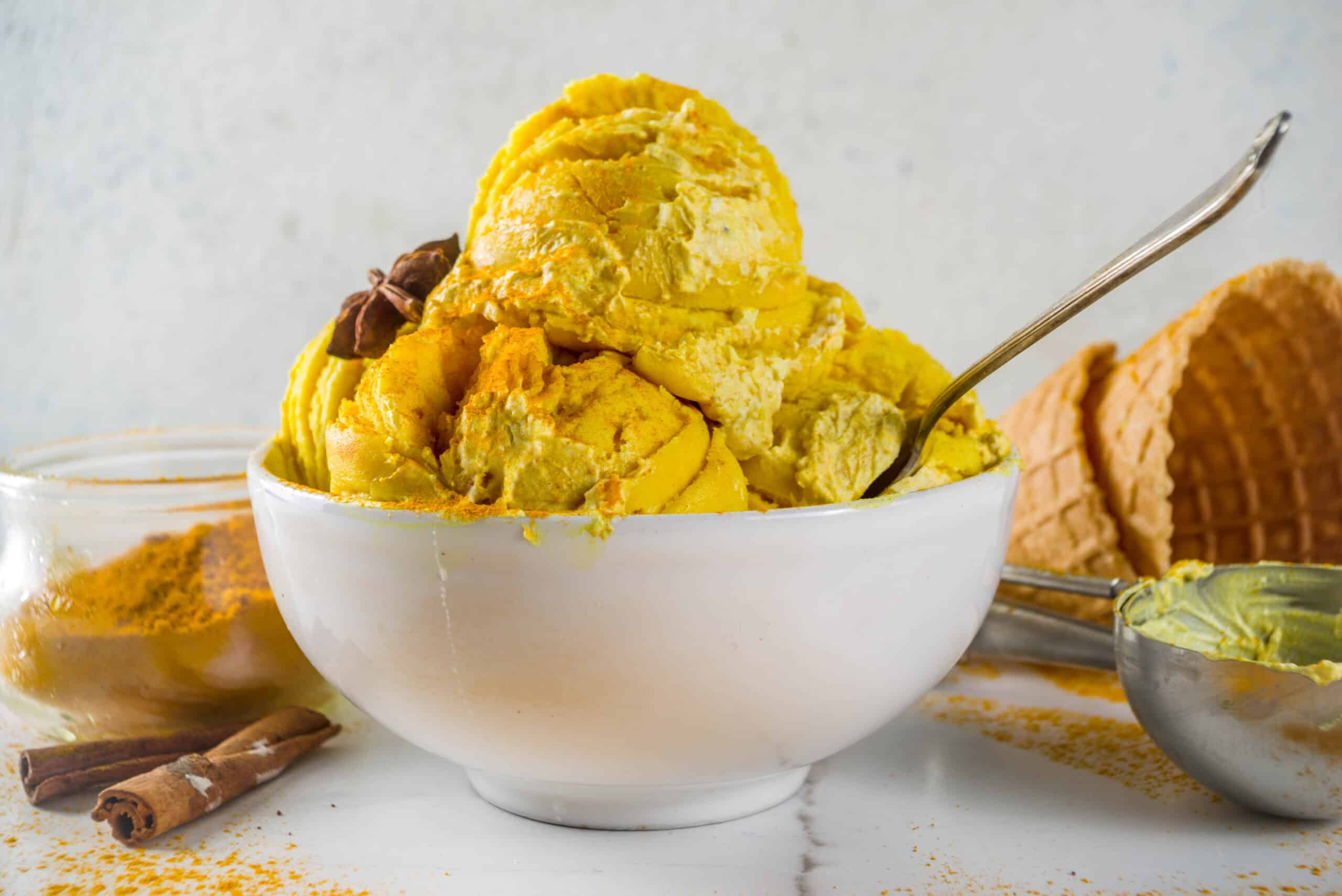
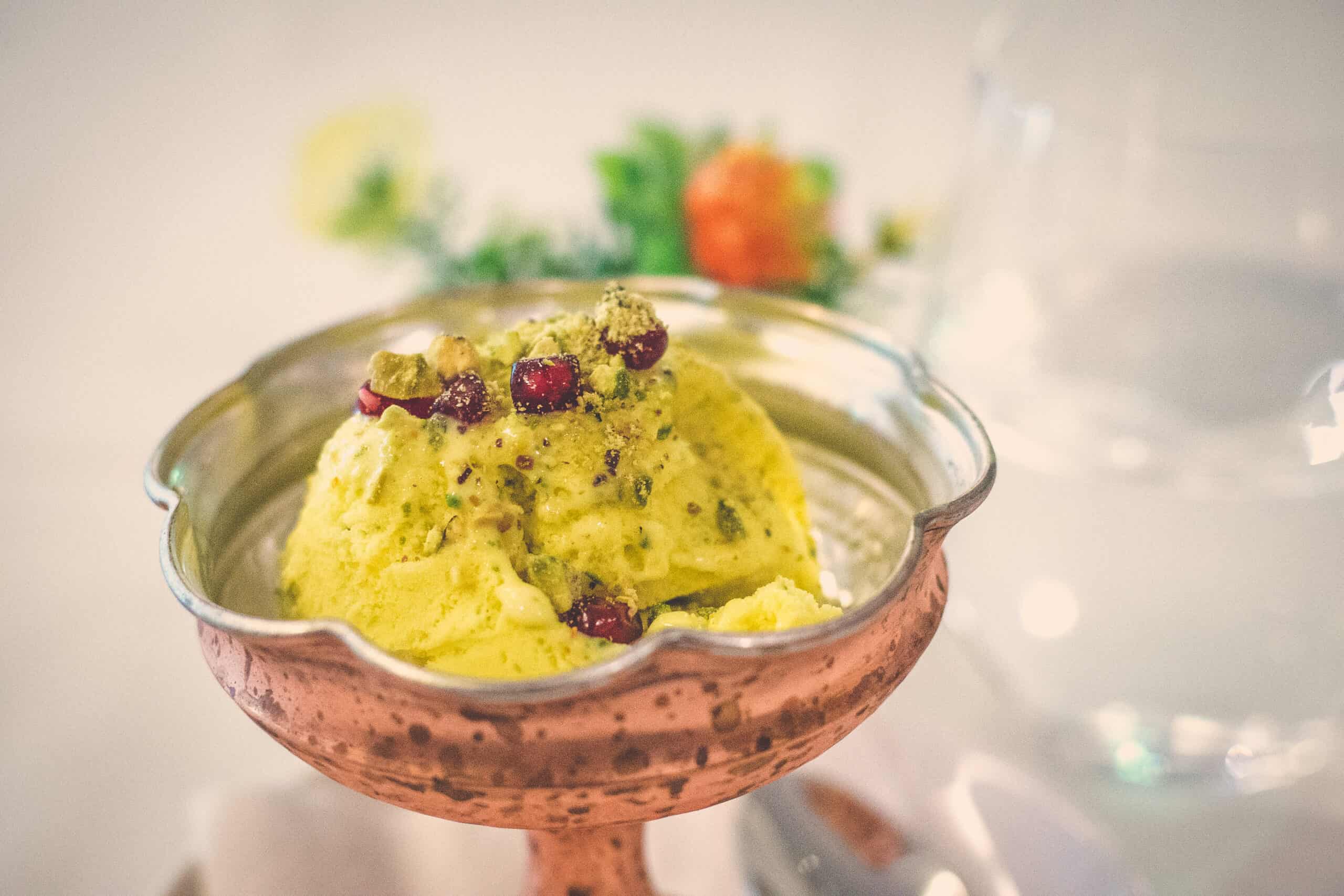
Some herbs and spices here are quite familiar in ice cream, like cinnamon. Others, while well known in savory and other dishes, might be surprising to see in ice cream. Some examples include ginger, turmeric, cardamom, and basil.
Chiles and pepper are already gaining acceptance with the continued growth of the “swicy” trend.
Teas
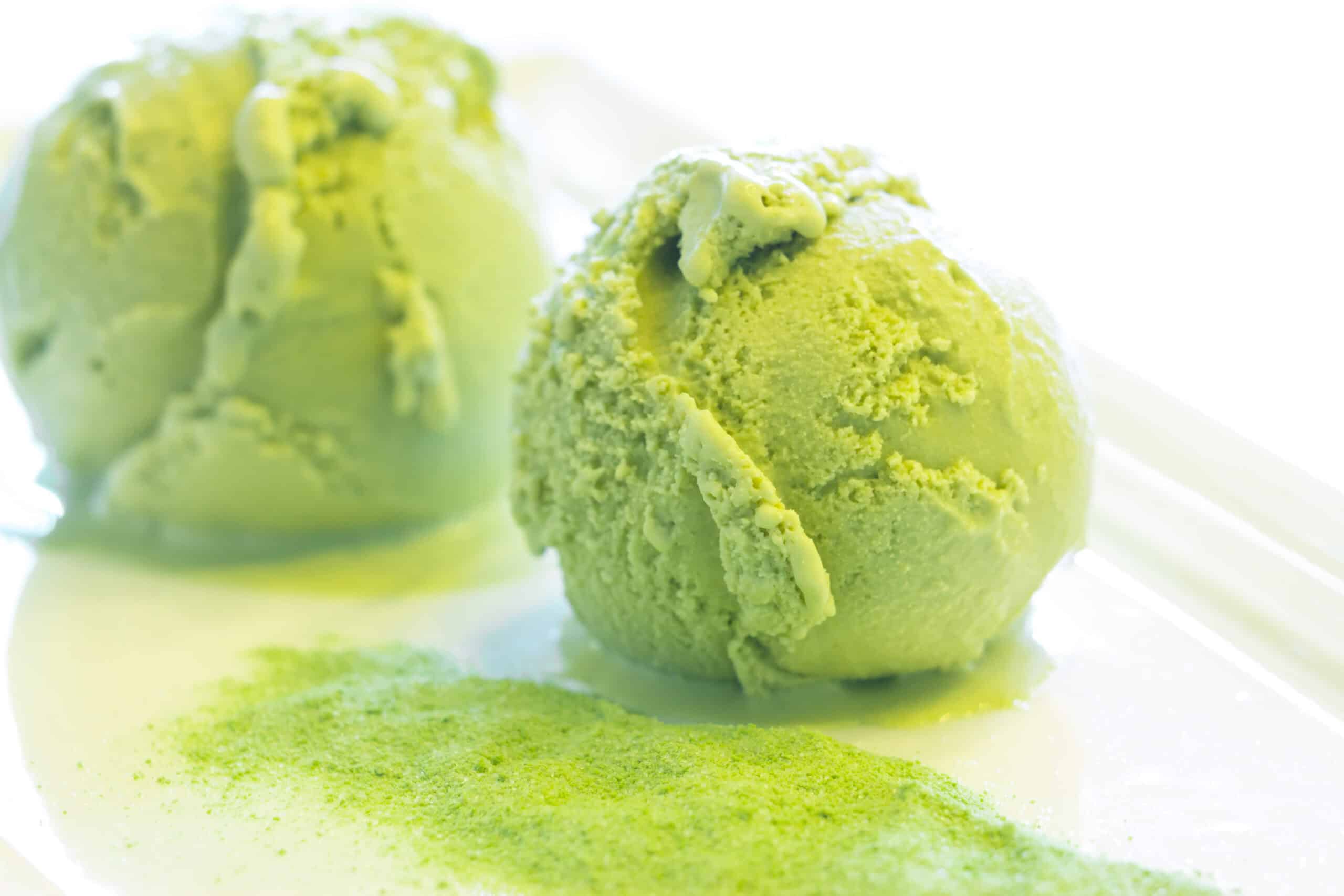
Matcha has taken the entire food and beverage industry by storm in recent years. It’s become so mainstream that singling it out as a botanical might seem strange.
But its success in ice cream shows what is possible for tea-derived flavor profiles.
Earl Grey and Chai are others that have seen popularity translate from beverages to frozen desserts. This could make more herbaceous and “botanically-forward” teas like jasmine, oolong, and hibiscus worth exploring for developers.
Hojicha, a more caramelized and roasted cousin to matcha, is also a natural fit for ice cream.
Adaptogens & Superfoods
Lastly, you have ingredients that, while familiar, many may view more for their functional benefits than for their culinary applications.
Adaptogenic mushrooms like reishi, chaga, cordyceps, and lion’s mane are establishing a niche in coffee/morning beverages, but ice cream?
Companies like Salt & Straw have already shown what is possible with their limited-edition “Mushroom Magic” collaboration with the mushroom coffee company Wunderground.
Other superfoods like acai, chia, maca, and cacao nibs are using social media to showcase their potential and viability.
While botanical ingredients and flavors continue drawing attention, it’s their potential functional benefits that may set them apart.
The Market Appeal of Functional Botanicals in Ice Cream
These ingredients are compelling because they can offer both health benefits and indulgence in the same product.
It’s also exactly why incorporating functional botanicals in ice cream is such an intriguing proposition for developers.
Offering consumers both tailored health benefits and an indulgent dessert in the same product has game-changing potential.
Potential that relies on striking the balance between functional for health and functional for flavor.
This is because it’s not enough to just include a functional ingredient and make a health claim. The volume of the ingredient has to be high enough to confer the promised benefit.
The problem? Higher levels of certain ingredients can create taste tradeoffs that consumers might not be willing to make.
Choosing not only the right functional botanical ingredients, but also complementary flavor bases and profiles is key.
Still, even when these are aligned, it’s how they appeal to local market demographics that will ultimately decide success.
Market Appeal
The reality is that, despite growing interest in botanicals, they may seem unapproachable to certain demographics.
In markets where “innovation” focuses on elevating or reimagining classics, floral flavors, for example, might fail to resonate with consumers.
This does not mean they can’t succeed. It does, however, mean brands need to be specific in how they approach botanical ingredients.
Like we’ve seen with international flavors and nostalgic reimaginings, the key is to anchor a product in the familiar.
In such cases, functional botanicals in ice cream may work best when something new is rooted in what’s already known.
This could mean starting with familiar base flavors like vanilla, caramel, coffee, and chocolate. Or it could mean choosing botanicals such as spices and superfoods that are already commonly used for their functional benefits.
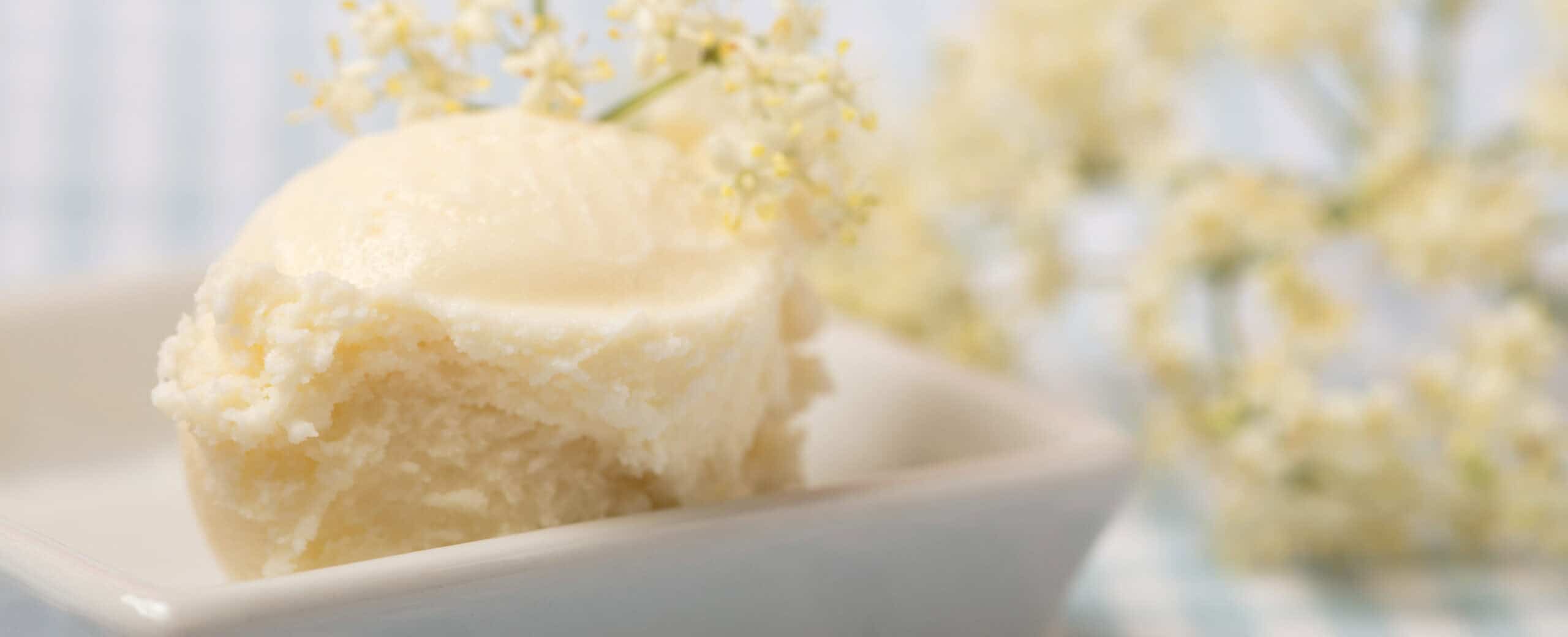
Combining these approaches allowed us to craft our new series of functional botanical flavor concepts. These include:
Vanilla Superfruit Lift: A classic velvety vanilla base infused with collagen and rippled through with an acai/blueberry/marionberry ribbon for a stack of functional benefits.
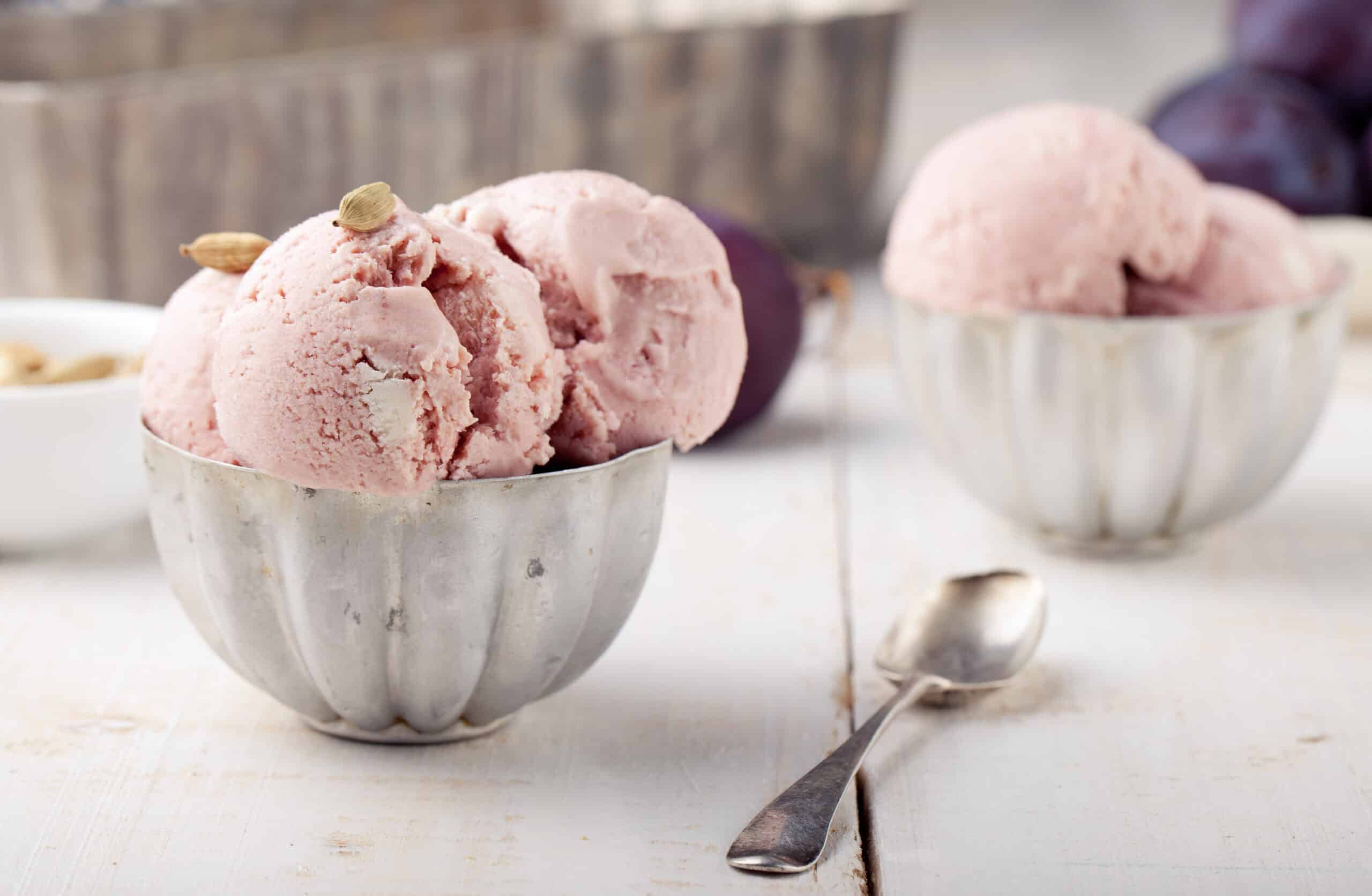
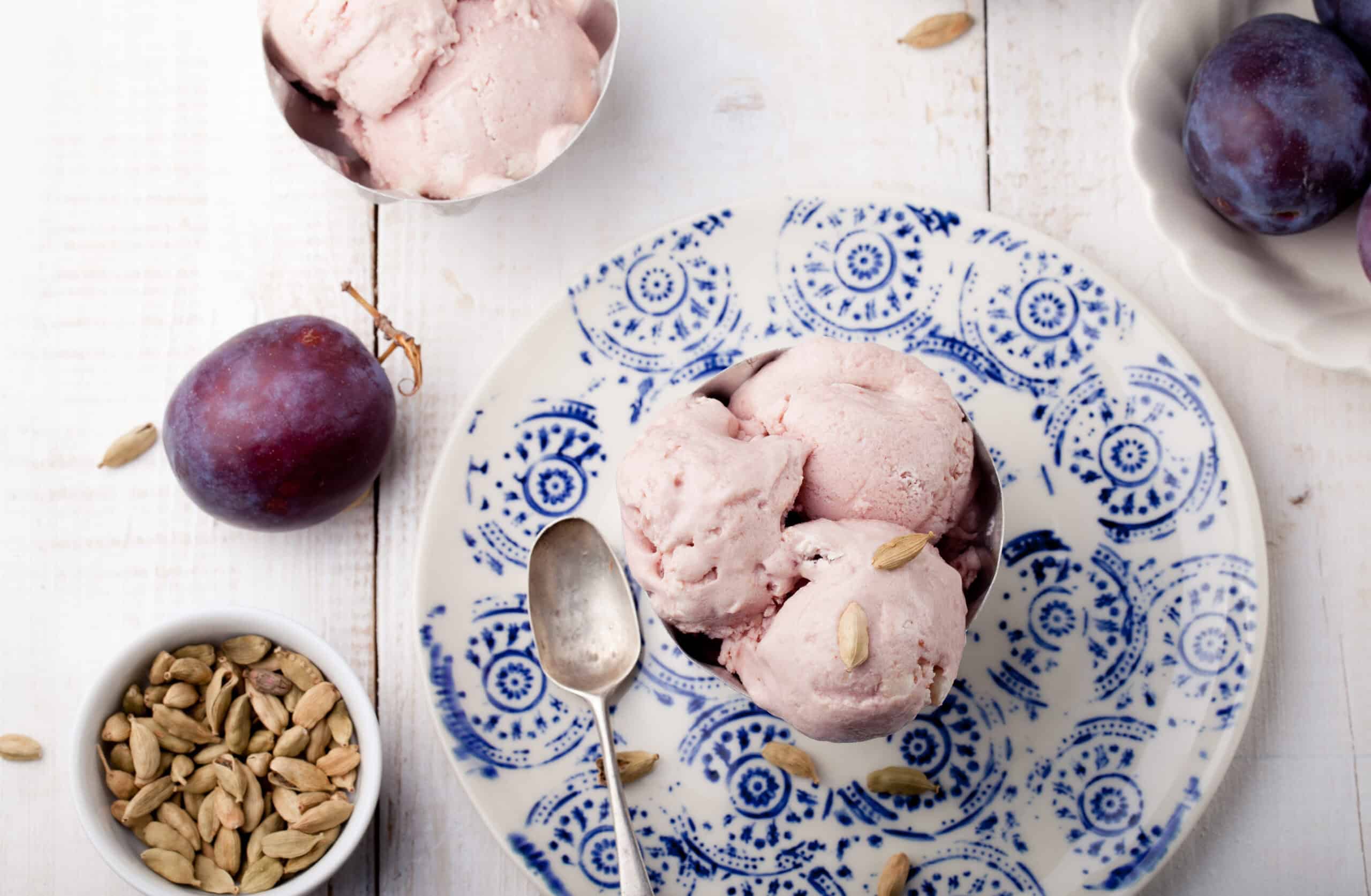
Cardamom Coffee Crunch: A rich coffee base, cardamom, and chocolate-covered coffee bean variegate for improved mood, focus, and a shot of cafe culture.
Orange Cardamom Glow: A fruit-forward orange cardamom base + a chocolate fudge variegate with collagen = natural indulgence, a subtle side of protein.
Sunrise Mango Spice: A turmeric and ginger mango base swirled with a honey variegate for a botanical boost that supports everyday wellness.
Maca Caramel Spice: A cinnamon maca base with a maca salted caramel variegate and coconut nectar, for a metabolically aware and swicy scoop.
Unique, internationally inspired, yet nostalgic, these flavor concepts offer a glimpse of what functional botanicals in ice cream can be.