
Key Takeaways
- Botanical flavors in bakery, including floral, herbal, and spiced, are gaining popularity, with the global market projected to reach over USD 20.5 billion by 2035.
- Developers can creatively explore botanical flavors in various baked goods, enhancing both sweet and savory products.
- Popular floral flavors include lavender and jasmine, while tea flavors, particularly matcha and Earl Grey, are becoming staples in bakery items.
- Herbs and spices like cinnamon and rosemary are traditional but can be innovatively applied to create unique flavor profiles.
- Seasonal associations with botanical flavors can elevate baked goods and appeal to consumer preferences throughout the year.
Botanical flavors in bakery are on the rise.
Floral, herbaceous, spiced. These flavors are subtly igniting consumer imaginations and developers’ innovations across categories.
In fact, as of 2025, the global botanical flavors market alone was valued at USD 9.0 billion. That is expected to grow at a CAGR of 8.6%, reaching more than USD 20.5 billion by 2035.
This represents only a fraction of the overall growth opportunities in botanicals, especially in the bakery sector.
From artisan and rustic breads to cakes and muffins, and even fine-dining patisserie and desserts, botanicals have long been a source of exploration and experimentation in bakery applications.
Why Botanical Flavors in Bakery Work
Whether sweet or savory, the sheer breadth of bakery products makes it the perfect medium for playful innovation.
This versatility pairs incredibly well with the delicious diversity found in botanical flavors.
As Melanie Oeck, Product Development Manager at Ever Fresh, alludes to in her recent article on functional botanicals in ice cream, the definition of “botanical” is often open to interpretation.
Often associated with floral flavors, Oeck outlines how teas, herbs, spices, and even many functional ingredients are also considered botanicals.
Internalizing this shift in how we view botanical flavors opens up nearly unlimited options for flavor exploration.
The value of their flavor components empowers developers to be as bold or as subtle as they want.
With this in mind, Oeck adds, “…botanicals uniquely fall at the intersection of some of this decade’s biggest trends.”
To put it simply, botanicals are an incredible vehicle for elevating and differentiating a brand.
Botanical flavors in bakery provide the freedom to add interest and stay on trend without reinventing the wheel.
Botanical Flavors in Bakery: Floral
Floral flavors are first to come to mind when the topic of botanical flavors comes up.
The king of these is easily lavender.
Light and delicate, it can star in both sweet and savory bakery.
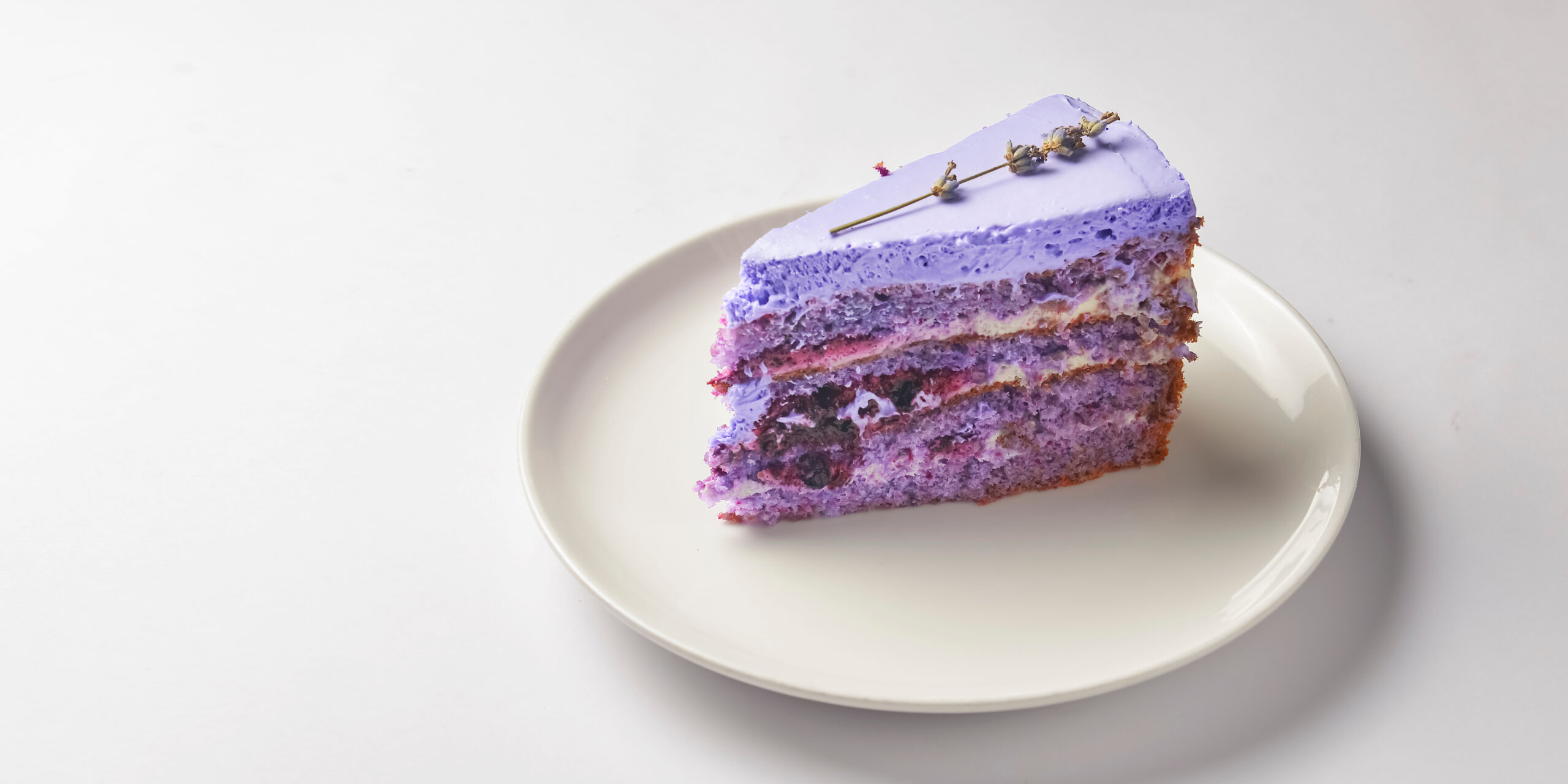
Pair it with tart and sour fruits like blueberries and lemons, or smooth vanilla and white chocolate in cakes and frostings. Or it can shine in rustic savory breads in spice blends like Herbs de Provence.
While less common, it’s also featured as a standalone profile in macaroons, cookies, and frostings.
More than anything, its growing success is an illustration of what’s possible.
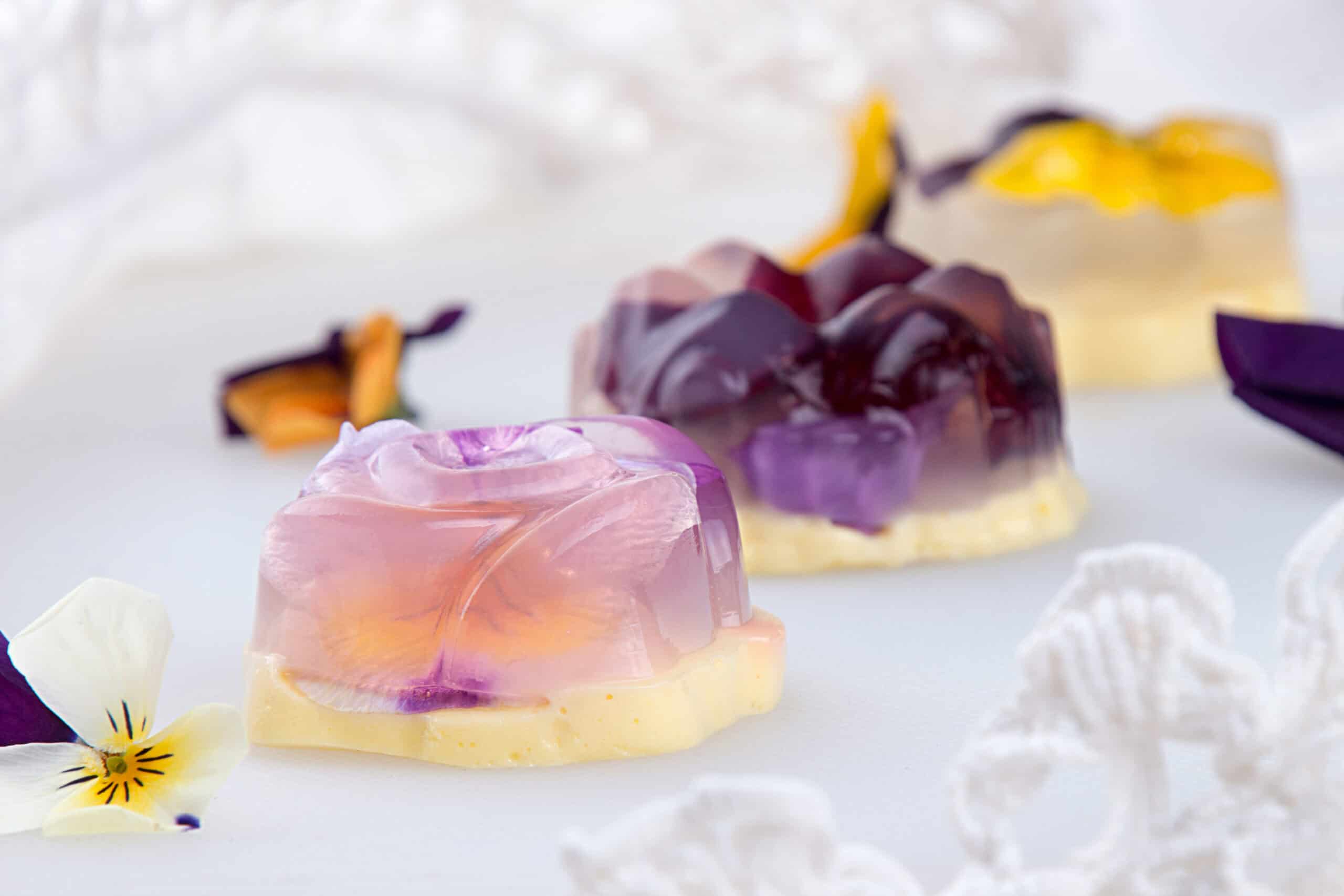
Rose, honeysuckle, chrysanthemum, violet, and elderflower are just a few of the floral flavors making their way into the mainstream.
Then you have fruit blossoms like pear, peach, orange, and of course cherry (sakura in Japanese).
Although floral and not at all fruity like their namesakes, they do carry that name recognition, piquing consumer interest.
Like lavender, pairing these floral profiles with vibrant fruits like citrus or cherry, nuts like almond and pistachio, or sweet browns like vanilla, chocolate, and honey makes them instantly accessible.
It allows them to add depth, complexity, and interest to baked goods with less risk of being associated with fragrances.
Other flavors gaining popularity in this category are jasmine, chamomile, and hibiscus.
The reason may be that they’re more often associated with teas than bouquets.
Botanical Flavors in Bakery: Teas
Tea and bakery go hand in hand.
So it’s only natural that they evolve from a tea-time pairing to a single sensory experience.
This one doesn’t take projection; it’s well underway, and one word explains it all.
Matcha.
The world’s most famous green tea, which took the beverage world by storm, is now setting its sights on bakery.
It’s no overstatement to say you can find matcha almost anywhere and in almost everything.
From cupcakes and croissants to frostings, fillings, and doughnuts, these unmistakable green treats are as flavorful as they are Instagrammable.
Still, what makes them really shine is pairing them with bold, juicy berries like strawberry, raspberry, and blueberry.
Next on the list is Earl Grey. Lightly floral notes balanced with the round citrusy bergamot, is as classic as it gets.
Naturally pairing well with citrus, it adds a botanical boost to just about any baked good.
These two show us the perfect blueprint for incorporating other tea flavors.
Profiles with similar potential include rooibos, chamomile, hojicha, oolong, and the previously mentioned hibiscus and jasmine.
Part of what makes some of these work is their slight bitterness and dry tannic sensation. Similar to what you get from wine, it helps to balance and offset sweetness. Simultaneously, it creates an experience that hits and engages all of the senses.
This dance between surprise and expectations is also what makes something spiced like Chai work incredibly well in bakery.
Botanical Flavors in Bakery: Herbs & Spices
This is the category of botanical flavors in bakery that probably needs the least explanation.
You have cinnamon, cardamom, clove, and ginger on the sweet side. And Rosemary, basil, oregano, sage, among others, on the savory side.
The pleasantly pungent brown notes of these spices balance out the sweetness of cakes and pastries. The fresh, earthy brightness and astringency of herbs can cut through butter and add dimension to bread doughs.
Herbs and spices are part of our everyday experience and enjoyment in baked goods. And have been for centuries.
So, how should developers who want to stand out leverage these botanical flavors in bakery applications?
In my article on fruit trends in bakery, I discussed how international inspiration can serve as a differentiator.
And nowhere is that more true than with herbs and spices.
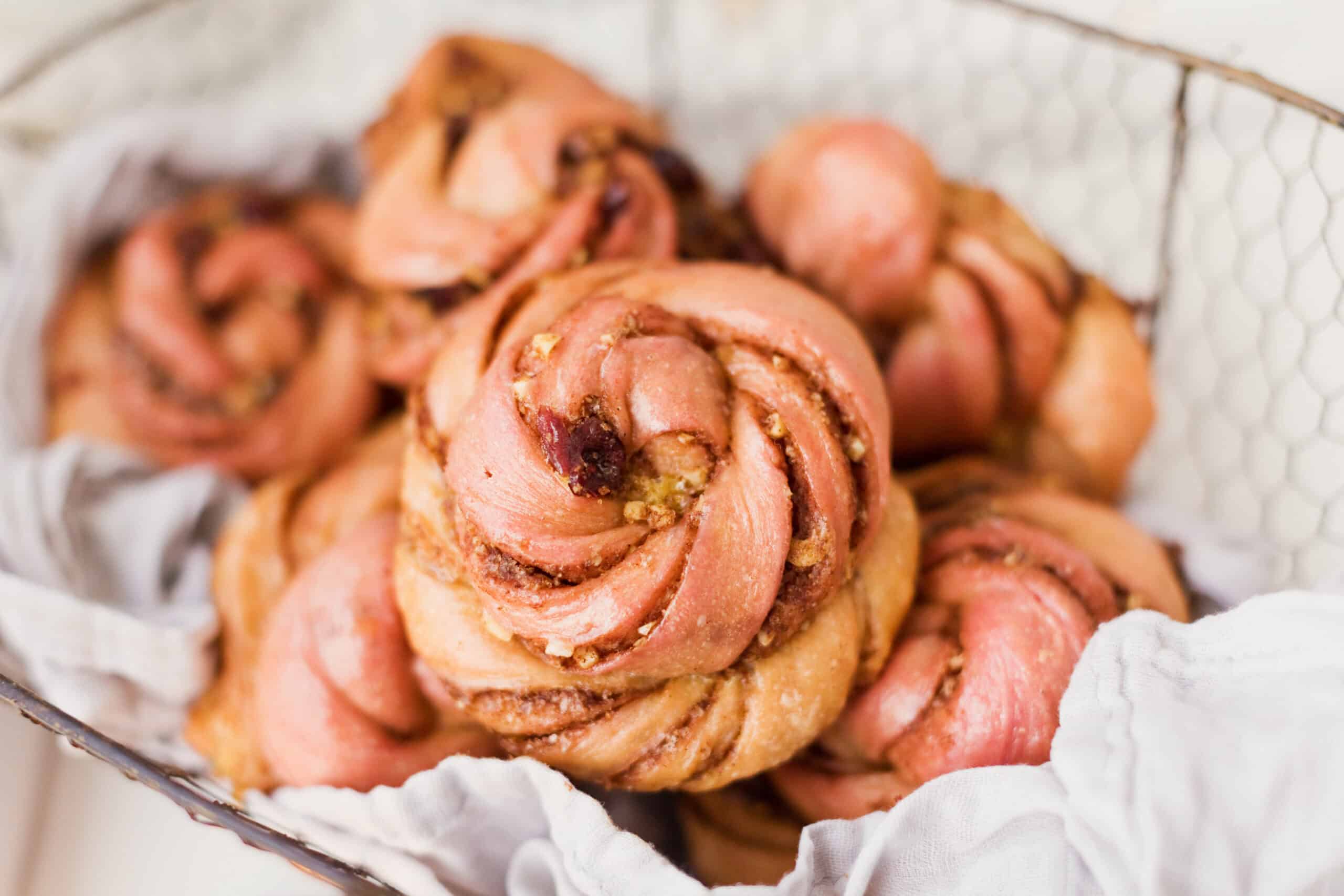
International Inspiration Sweet & Savory
Starting with sweets, global spices are amazing for enhancing fruit-forward classics.
Take an apple pie or bear claw to the next level with spiced chai. Mango chili has already shown what it’s capable of. Pair an orange-glazed bun or pound cake with cardamom for instant elevation.
It also lets you introduce international treats, such as a spiced date cake. Or sourcing specialty ingredients like Ceylon cinnamon for an added layer of sophistication.
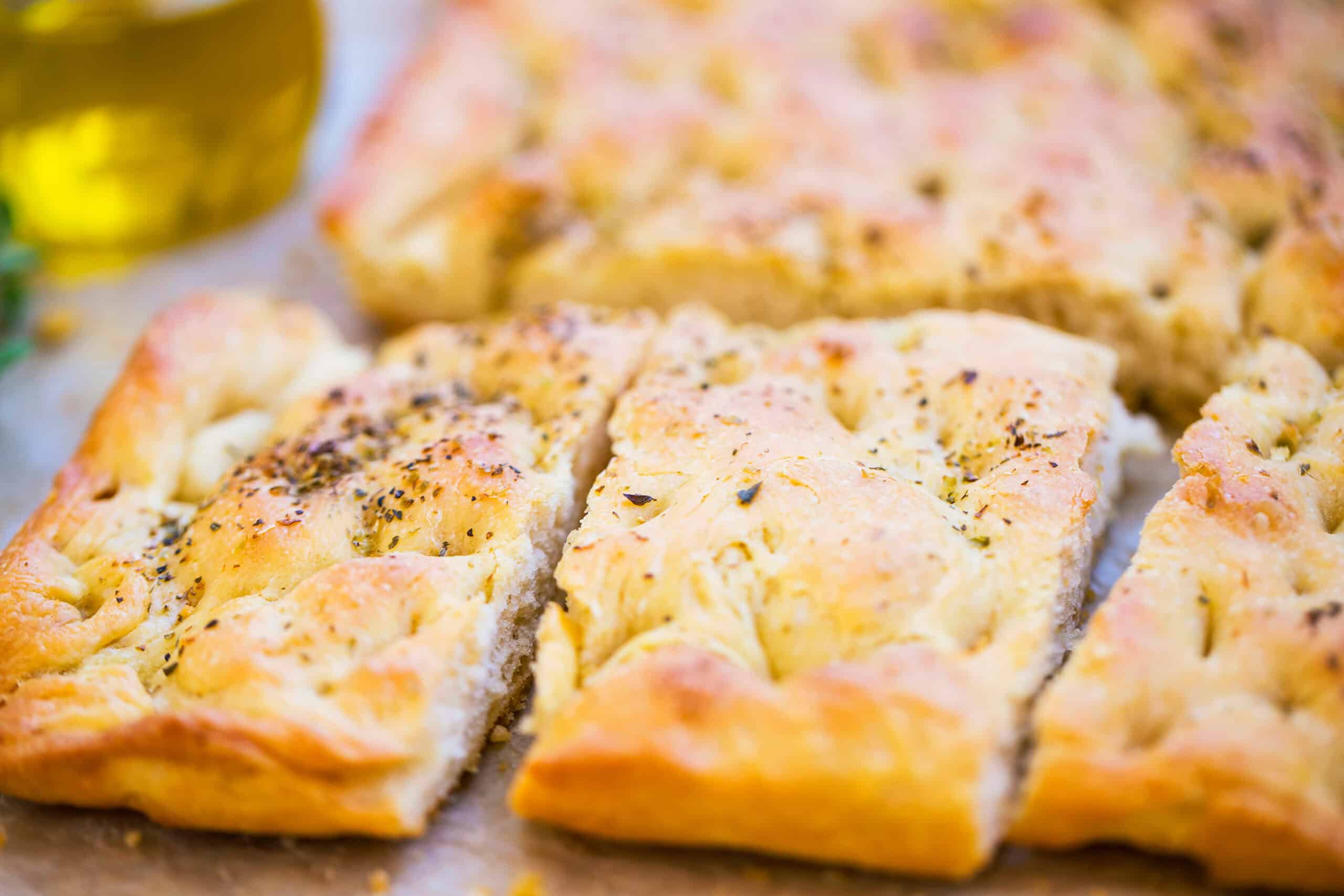
In savory, we already see this with herbaceous buns and breads.
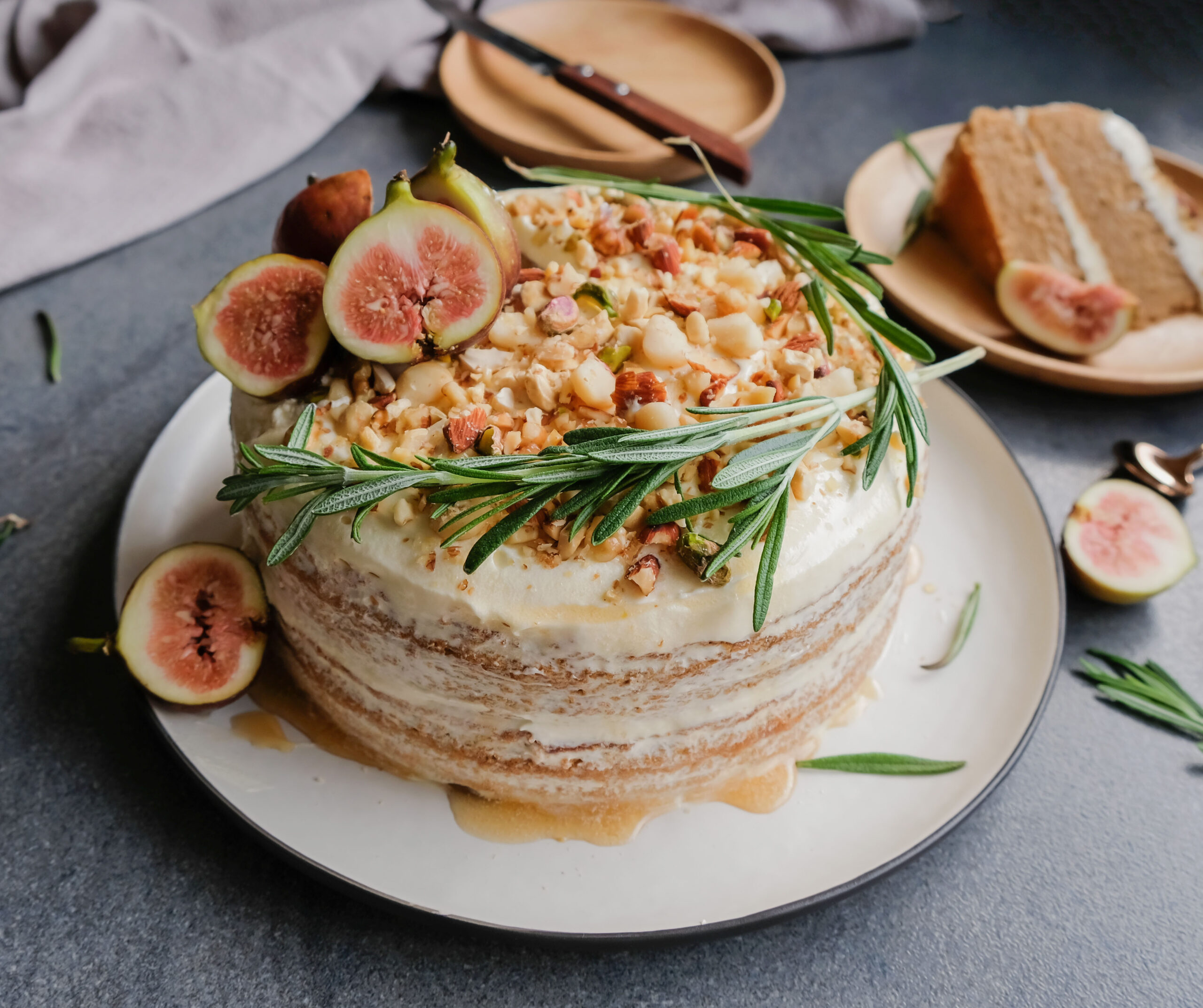
But what about taking the success of herbs de Provence or Italian blends and translating it to a savory scone?
The same could apply to a Middle Eastern zaatar or an Indian masala, moving from traditional flatbread to flaky croissants.
Along with fusion and crossover potential, botanical flavors in bakery are primed for seasonality.
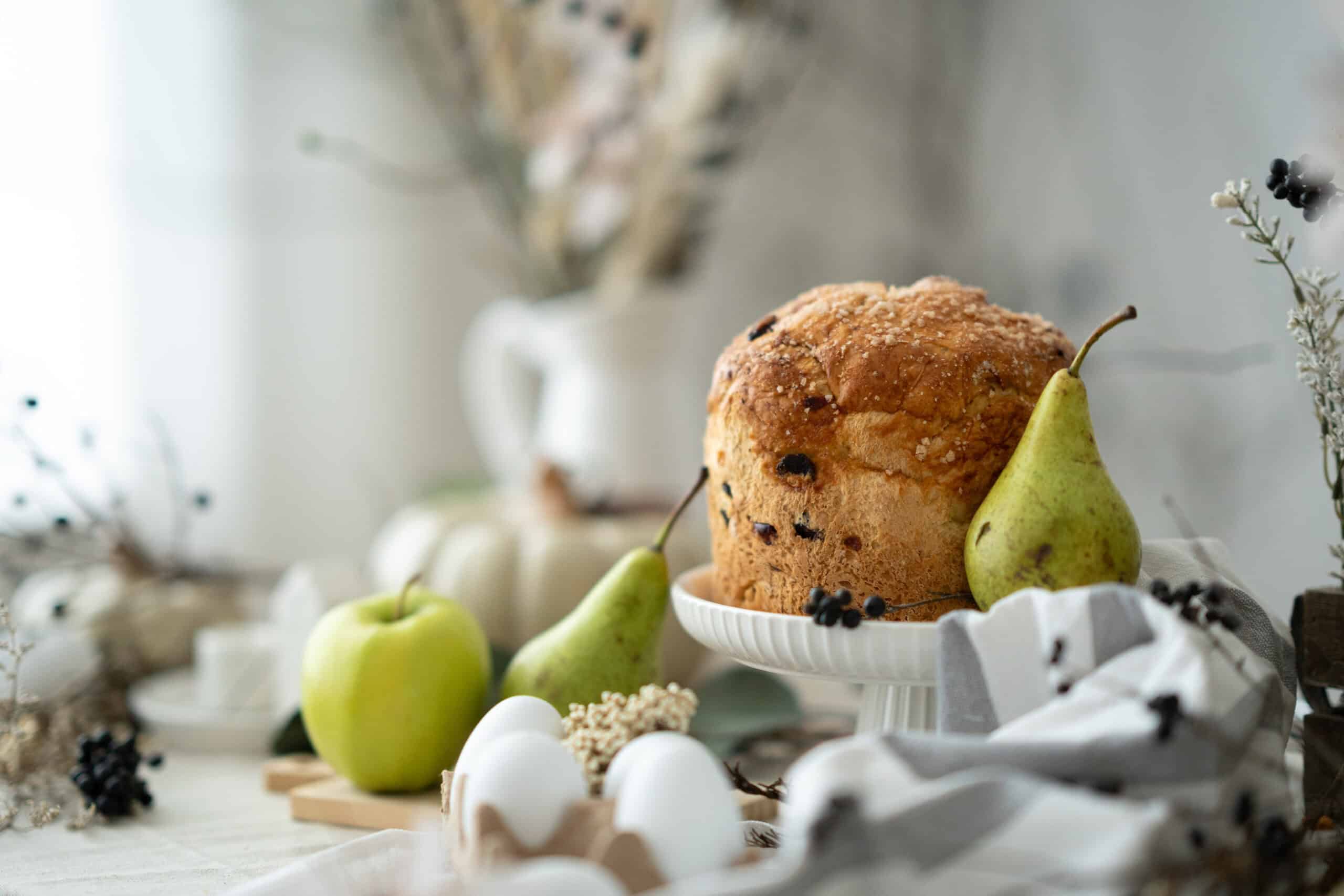
Botanical Flavors in Bakery: Seasonal LTOs
Whether we realize it or not, we naturally associate certain botanical flavors with the seasons.
That’s why, no matter how much you enjoy it, Pumpkin spice lattes in August feel a little bit off.
In North America, the warm, comforting brown notes of pumpkin spice, cinnamon, cloves, etc., naturally fit with flannel and fireplaces.
In Asian countries like Japan and South Korea, cherry blossom baked goods like pastries and donuts fill cafes each spring.
Floral and fruity tea flavors can add a light and refreshing lift during the dog days of summer.
Tapping into these natural associations with botanicals can make for easy twists to traditional items and portfolio staples.
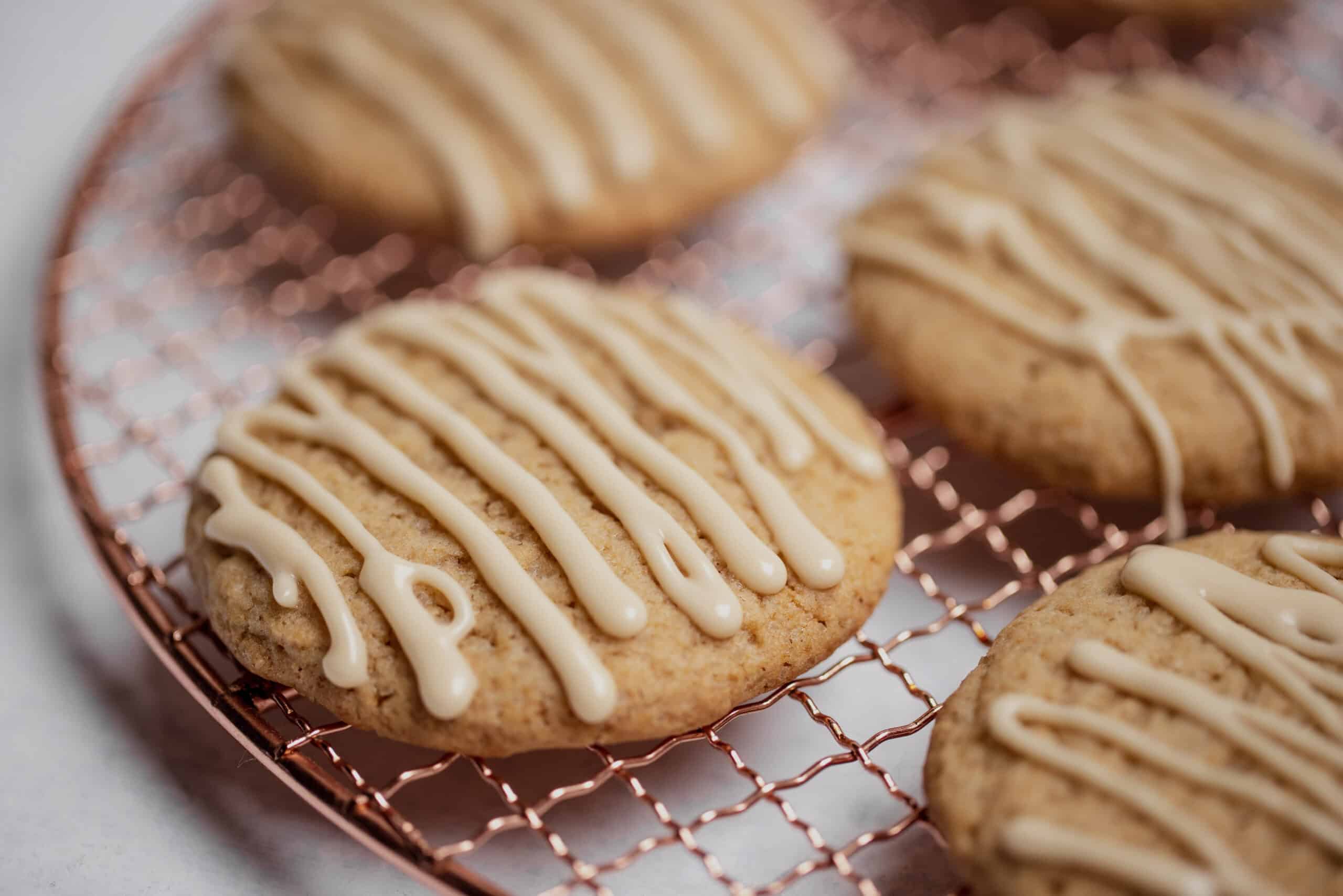
Botanical Flavors for Bakery Application Success
Botanical flavors in bakery may not be new, but they’re teeming with untapped potential.
From delivering on current trends to elevating familiar favorites, incorporating botanical flavors could be a game-changer for applications looking to (literally) spice things up or just stand out in a crowded bake case.
Ready to add a botanical twist to your bakery lineup?
Our team is here to help you source the premium ingredients that make trending flavors work.

Related Links: