
Estimated reading time: 14 minutes
Key Takeaways
- Bakery trends emphasize health-forward baking, with clean-labels and functional ingredients influencing products.
- Gluten-free products continue to grow, driven by improved taste and texture, appealing to a broader market.
- Bars are becoming more nutrition-focused, featuring cleaner labels and diverse protein sources like plant-based options.
- Developers must adapt to changing consumer behaviors, including portion sizes influenced by GLP-1 medication adoption.
- Craft, comfort, and convenience are key themes, as consumers seek authentic bakery experiences at home with traditional and innovative offerings.
Part 2: Bakery Trends for Food Developers
In Part 1 of our A Roadmap to the Trends that Matter for Food Developers series, we explored ice cream trends that are not only dictating the market in 2026 but will continue to shape developments in 2027, 2028, and beyond. Here, we turn our attention to bakery trends.
In Part 2: Bakery, our experts discuss the bakery trends developers need to know to get ahead.
Macro Movements in the Industry
As I discussed in Part 1: Ice Cream, how brands approach trends has changed from the past.
Today’s trends not only overlap within a category, but many also extend across all segments of the food and beverage industry.
“When we’re looking at the trends impacting the food industry at large, I think there are essentially several macro trends that overlay all different categories,” says Andrea Bouma, Business Development Manager at Ever Fresh Fruit.
She continues, “Because development cycles take at least 12 to 18 months to really turn around, we’re just now starting to see how companies are reacting to these different movements in the market.”
According to Kevin Richardson, Business Development Manager, nowhere is this clearer than in a category as diverse as bakery.
“Few categories have as wide a range as bakery. It can mean something very different to each developer you work with. It can mean cookies, cakes, pies, bars, and so much more.”
He says these trends reveal one realization: people are willing to pay for high-quality products.
Especially when it comes to bakery trends centered around health.
Bakery Trends: Health Forward Baking
Whether it’s clean-labels, better-for-you, or functional innovations, premium nutrition formulations formulations continue to dominate the discussion on bakery trends.
Again, many new products look to leverage more than one of these at the same time.
Gluten Free Isn’t Going Anywhere
What started as an appeal to a relatively small dietary restriction has now grown into a full-blown segment of its own—and it’s central to today’s bakery trends.
The overall gluten-free market was estimated at USD 7 billion at the end of 2025 and, with a 10% CAGR, could nearly double to USD 13.6 billion by 2030.
Gluten-free baking mixes alone accounted for USD 512.23 million in 2024 and could reach USD 977.96 million by 2033.
Strides made in the taste and texture of gluten-free bakery products are a major driver of this growth.
“I think in the beginning with the gluten-free part, people just expected gluten-free products to taste terrible. But the people that needed them for dietary restrictions didn’t really have much of choice,” explains Richardson.
“Now as the market demand has grown, that has changed quite a bit. This has pushed developers to improve their offerings enormously. In the past where you could clearly tell when you were eating something gluten-free, these days it’s getting harder to tell the difference, if you even can at all.”
He adds that the ingredients used in gluten-free baking allow for a nutrition-focused trend appeal.
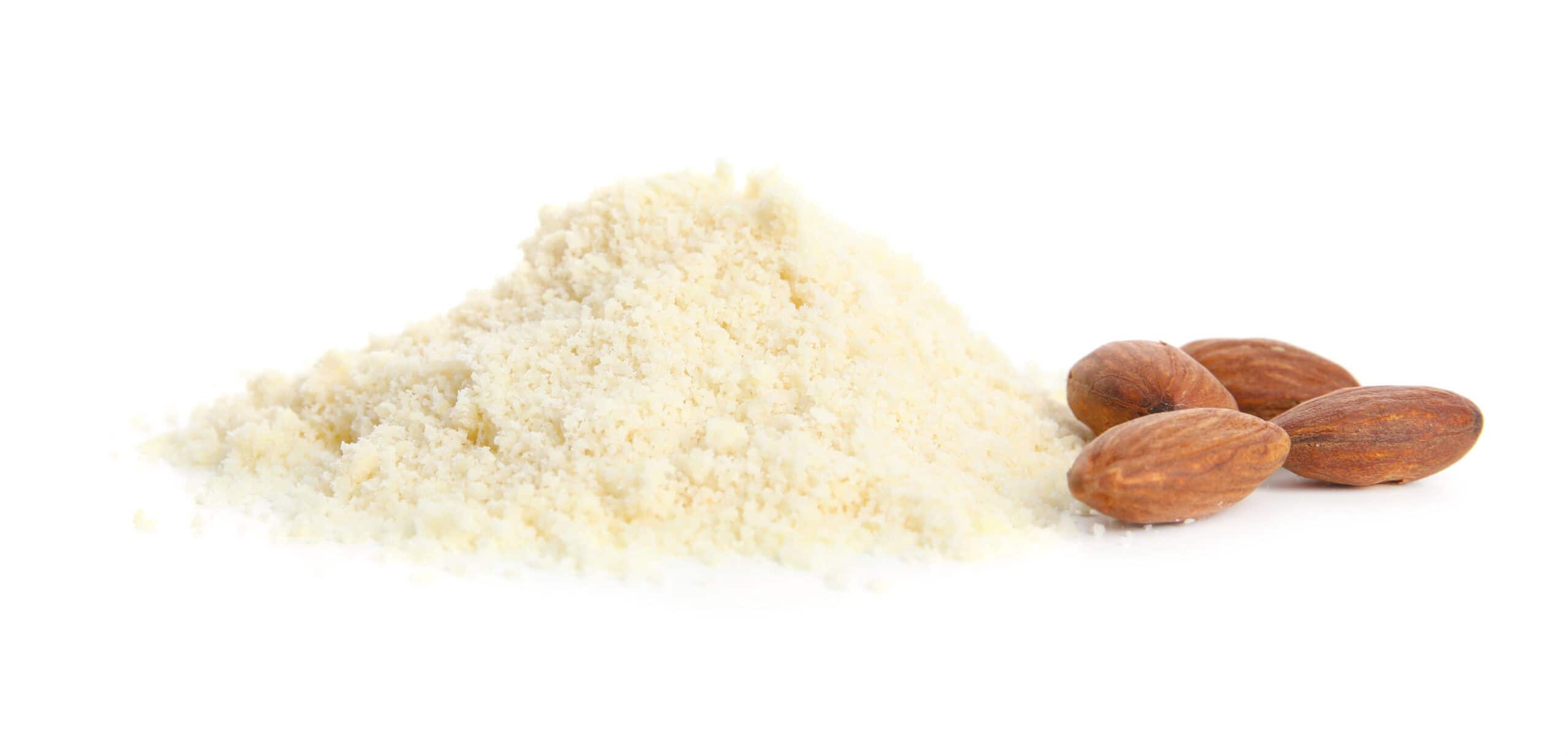
“When you swap out traditional flour for gluten-free options it allows you to maybe even double or triple dip on your health claims. For example, almond flour can add protein and be Keto-friendly, while other flours may be high in fiber or provide other functional benefits.”
Raising the Bars
One segment that has not only embraced nutrition-driven bakery trends and functional innovations but has continued to set the standard is bars.
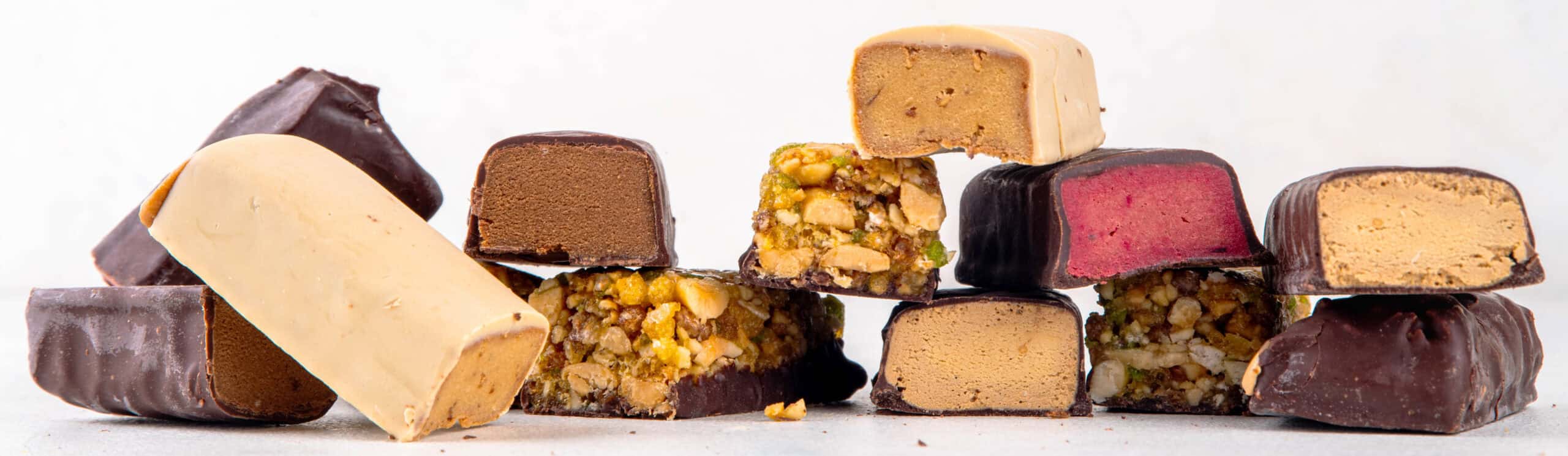
“Bars have been on the forefront of giving people on-the-go options to fuel their day. But in the past some of these ‘health bar’ had so much sugar they were basically candy bars in disguise,” says Dirk Davis, Ever Fresh Fruit’s Director of Customer Account Management.
“Many brands are fully embracing health-forward baking trends, especially cleaner labels and functional ingredients. Protein bars are nothing new, but now they are using different sources like collagen or plant-based options, and focusing on more natural ingredients and cleaner labels.”
With a push towards personalized nutrition and a growing demand for convenience, bars are uniquely positioned to answer the call.
This need for convenient, nutrient-dense products will only become more important with the widespread adoption of GLP-1 medications.

GLP1 & Portion Sizes
These product innovations don’t happen in a vacuum. Understanding what’s driving consumer demand—like GLP-1 adoption—is critical for developers. Today, GLP-1s are seemingly everywhere.
With these traditionally expensive interventions becoming more widely available, and now for the first time being available as a pill, they don’t look to be slowing down anytime soon.
Neither is their impact on the food and beverage industry.
“Not only do these medications help with your cravings, but you just can’t physically eat that much food anymore,” says Richardson.
While the serving size listed on packages has often been seen by consumers as a joke, portion size is no longer a laughing matter.
“GLP-1s are going to lead to a change in portion sizes. This is a double-edged sword for developers. On the one hand, maybe it’ll help give them a little breathing room with ongoing inflation. On the other hand, it means people are going to demand even more in terms of quality, health, as well as taste and texture.”
Smaller portions mean that the overall sensory experience matters more than ever.
However, as mentioned before, this also means that nutritional density and functional benefits will be at a premium. As we’ve seen with overarching better-for-you and functional trends, balancing these can pose challenges for developers.
Better-for-you & Functional: As a Trend and Response to GLP-1s
Boosting protein and fiber might sound like a trend to watch from five years ago, but the truth is, they’re only getting bigger.
Protein and fiber claims have evolved from added benefits to a new standard. This shift is especially pronounced as GLP-1 use rises. According to Bouma, the ingredient market is already feeling it.
“We’re already seeing ripples of how companies are going to react and innovate in response to the waves GLP-1s are making in the market. On the supply side, protein and fiber is starting to get tight in response. These bellwethers are indicating a tidal wave that innovators are going to have to contend with.”
Developing for the unique nutritional and functional needs of GLP-1 patients aligns perfectly with industry trends. This approach piggybacks directly on the overarching shift toward better-for-you and functional products.
Bouma stresses that formulating with better-for-you and functional ingredients presents a range of challenges.
“As functional and better-for-you ingredients like protein, adaptogens, or natural non-nutritive
sweeteners become more common, so are the negative tastes qualities they bring with them.”
She adds that fortifying with functional or better-for-you ingredients can also negatively affect aspects like texture, stability, and water activity.
Formulators need to find formulated ingredient systems that balance these issues. The goal is delivering a product that is equally nutritious and delicious.
In the case of fiber or even unrefined sweetness, Bouma sees fruit as a natural choice to meet these goals.
“Fruit is a great way to naturally add sweetness or increase fiber content. Ingredients like fruit spreads are also ways you can incorporate fiber without necessarily harming the functionality and texture of bakery items.”
They are also an accessible way to experiment and find innovative solutions to these trends.
Bakery Trends #2: Visual, Texture, and Flavor Innovation
Cleaner labels are not just about nutrition and function.
Now, artificial colors are on the chopping block.
In an era dominated by aesthetics and Instagrammability, today’s consumers are eating with their eyes more than ever before.
This, combined with established expectations, makes it harder for some brands to shift to natural colors.
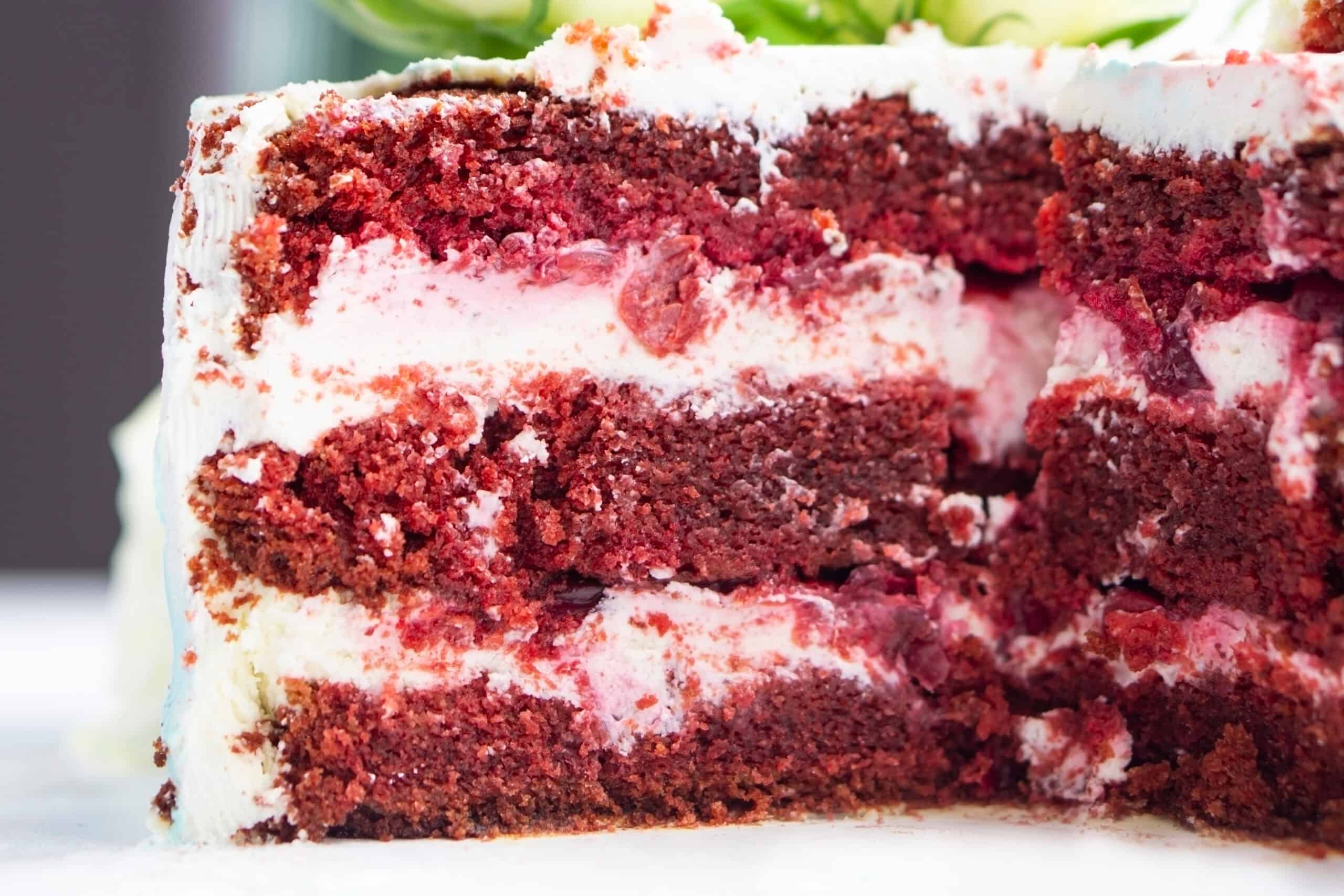
“American consumers have gotten used to very vibrant colors, and though a slight change doesn’t usually impact taste, it can affect interest and excitment,” explains Melanie Oeck, Ever Fresh Fruits’ Product Development Manager.
“That’s why embracing these changes have been a bit of a mixed bag. Some brands jumped on it right from the get go, others are more hesitant. They might look to see what they can do about changing out artificial flavors first, and work on version with natural color to save for later when they can see how everything shakes out.”
Richardson adds that although switching to natural colors is difficult for some companies, it is also pushing improvement and innovation from suppliers, “Deep down, manufacturers understand that you’re not going to get the same vibrant red out of something like beet juice. However, that does not stop them from expecting that type of work to be done. And I think this is leading to a lot of advances in that realm.”
Adding Visual Intrigue
Enhancing visual appeal as part of the broader “sense maxxing” trend is also a concern for developers. This is regardless of their brand’s approach to natural color.
With so many options, it can be hard to know where to start.
For brands that struggle with this, Bouma feels it’s best not to overcomplicate things.
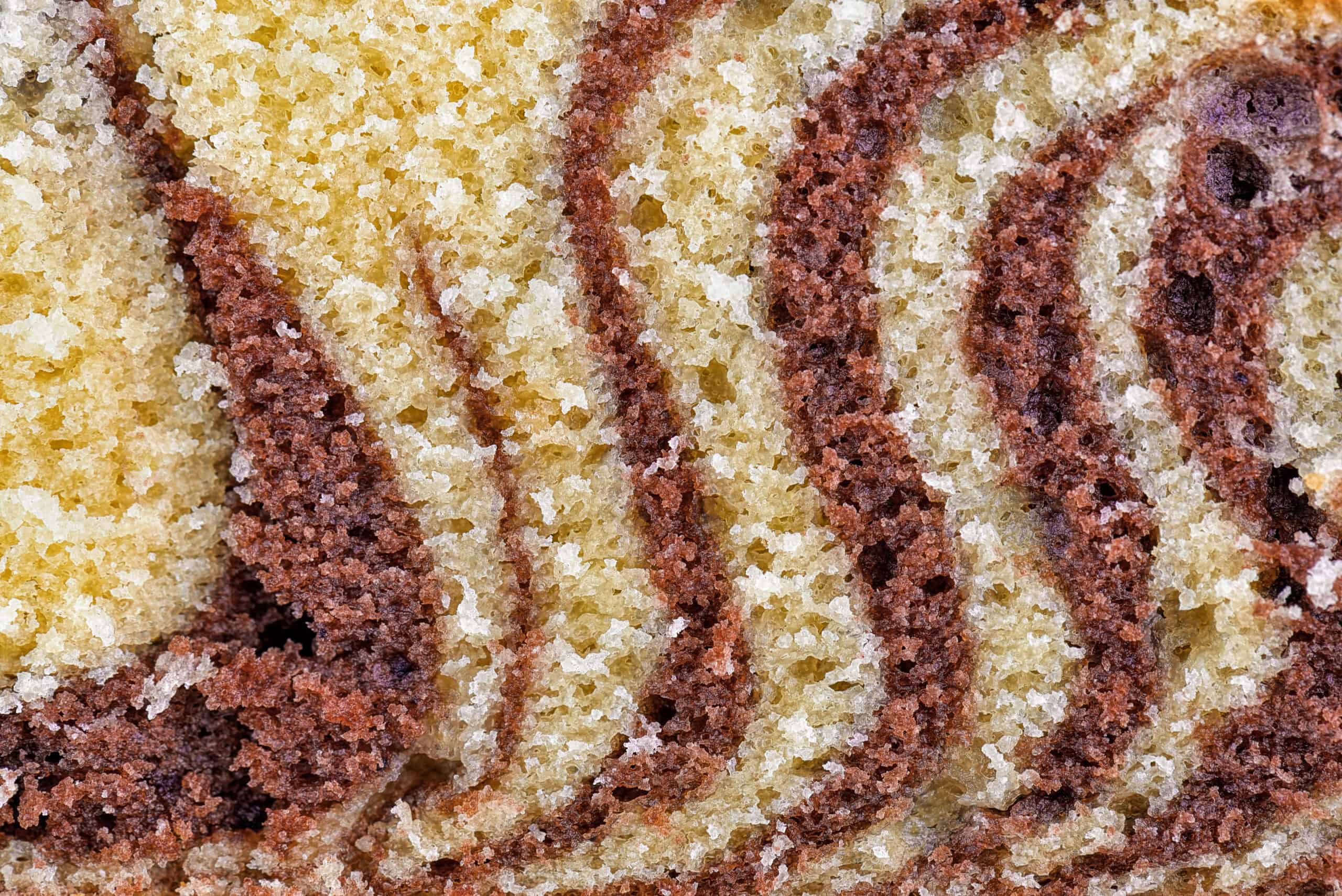
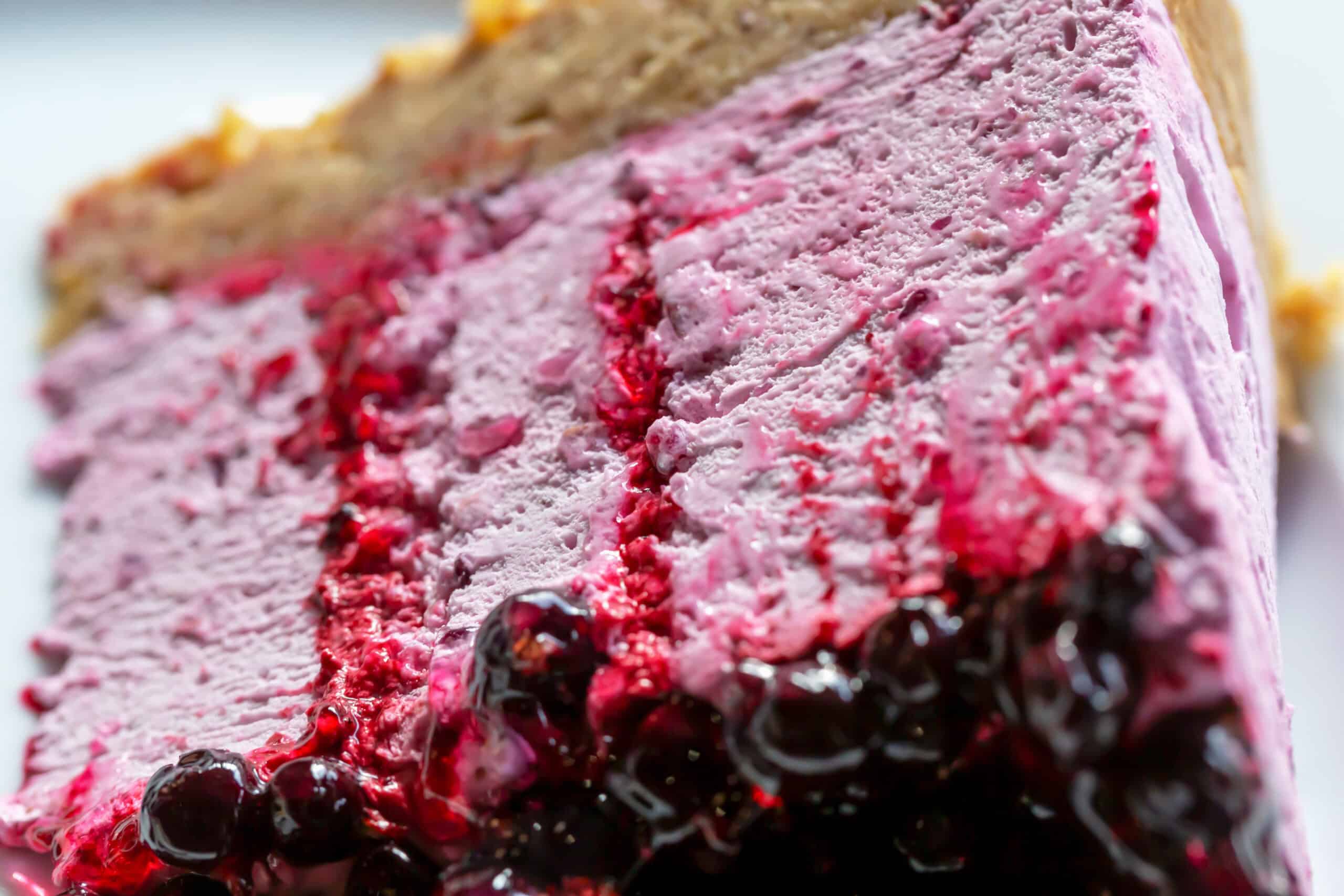
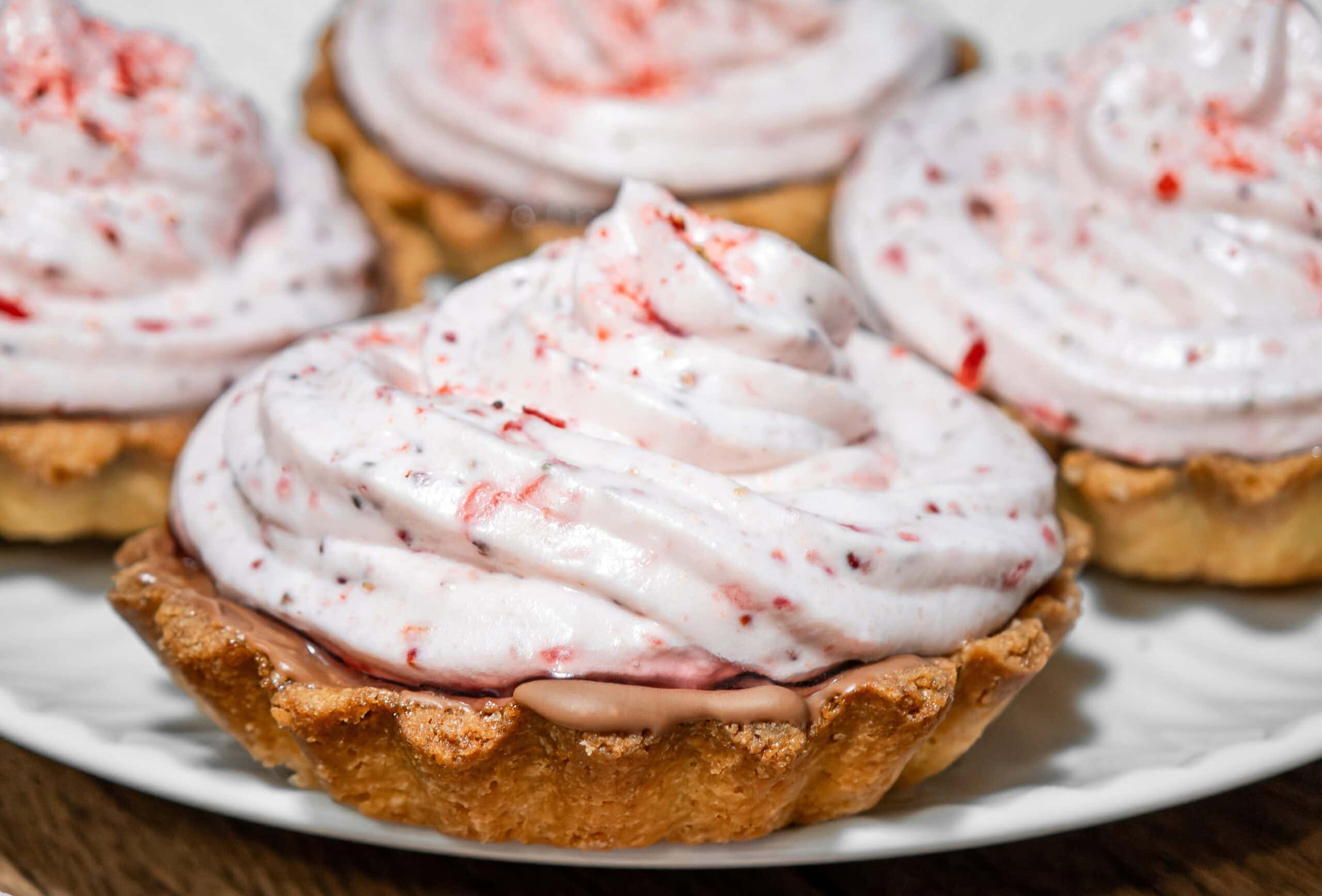
“Marbling as a visual innovation tool is always a really fun way to express flavor through color. For example, because we eat with our eyes so much, you could use a dough that incorporates berries for their natural color, and real berry pieces to reinforce taste impact visually.”
Oeck adds that fruit is also a great way to enhance visual intrigue, as well as taste and texture.
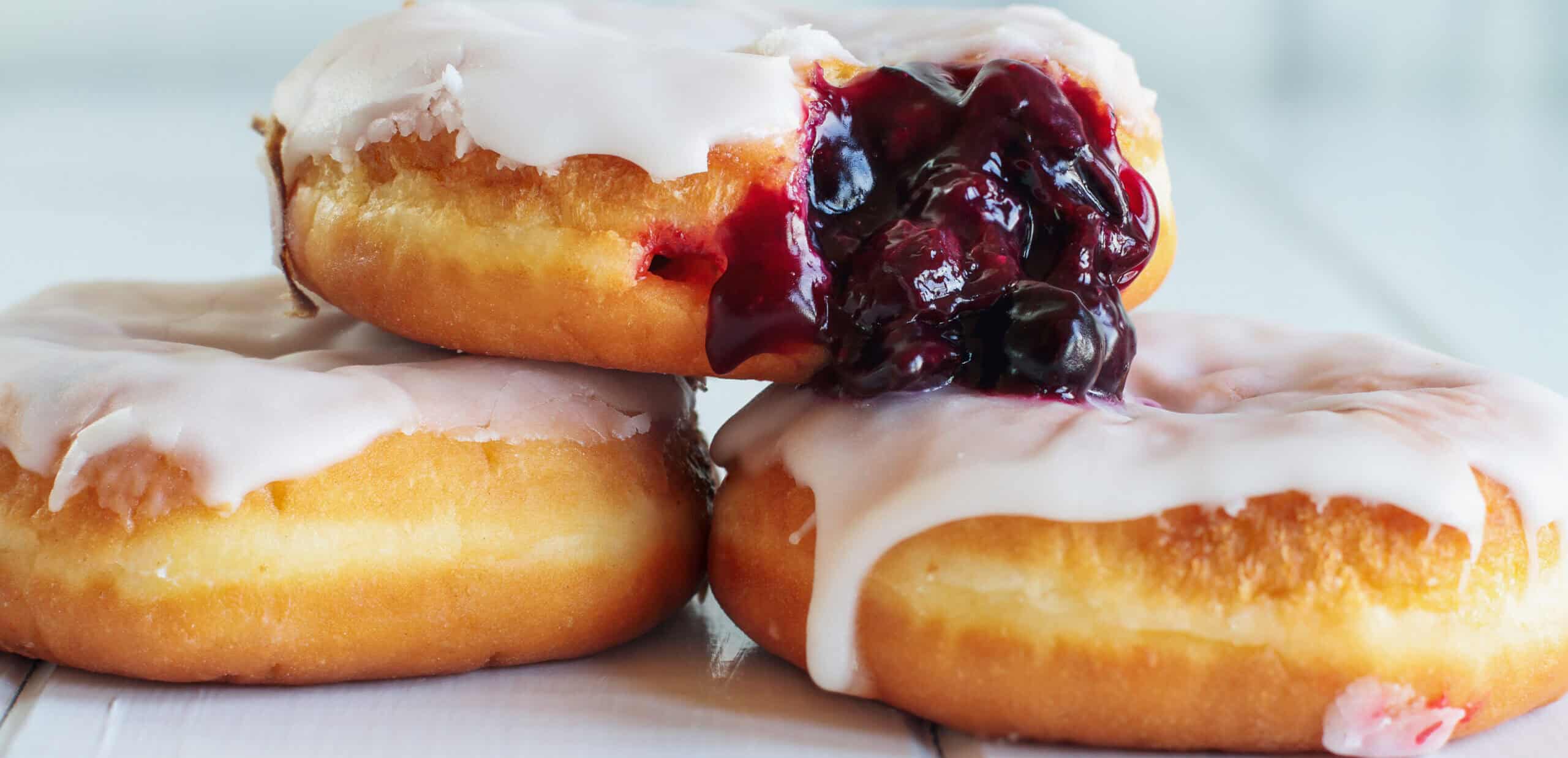
“When you’re dealing with things like handheld pies or filled pastries, real fruit can help boost color and enhance fruit identity. So instead of just having a cherry sauce, adding high quality fruit pieces can help boost perception of natural colors and add make an experience look, taste, and feel more premium.”
Innovative and Unexpected: Bakery Textures and Taste Trends
A large part of enhancing the sensory experience for customers is texture.
“This isn’t just a bakery trend, the need for varying the texture of a food product applies across the board,” says Bouma.
“It’s about creating an interesting and exciting eating experience. If you want to end with a creamy moment, having a nice crispy texture, or something else to add some variation is key.”
She reemphasizes fruit’s role in product development. Apples and berries work in fillings, toppings, or throughout the dough. An apple fritter shows how this simple addition transforms the entire experience.
This is also where she feels that leaning into the trend of international and unexpected flavors could be exactly what a product development needs.
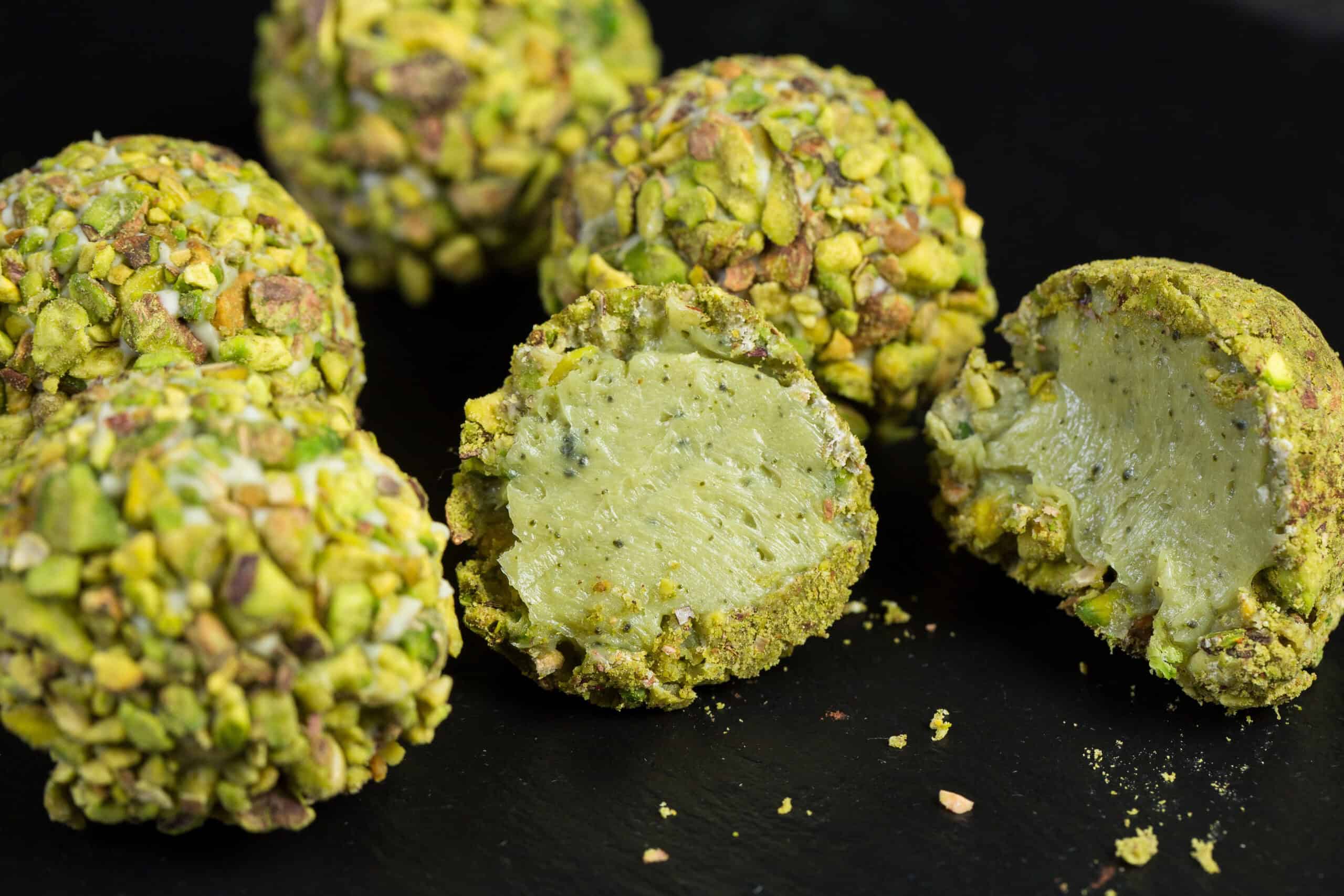
“Pistachio is taking the world by storm, beyond just Dubai chocolate. But it’s taking that familiar and juxtaposing it with something unexpected or new that works so well.”
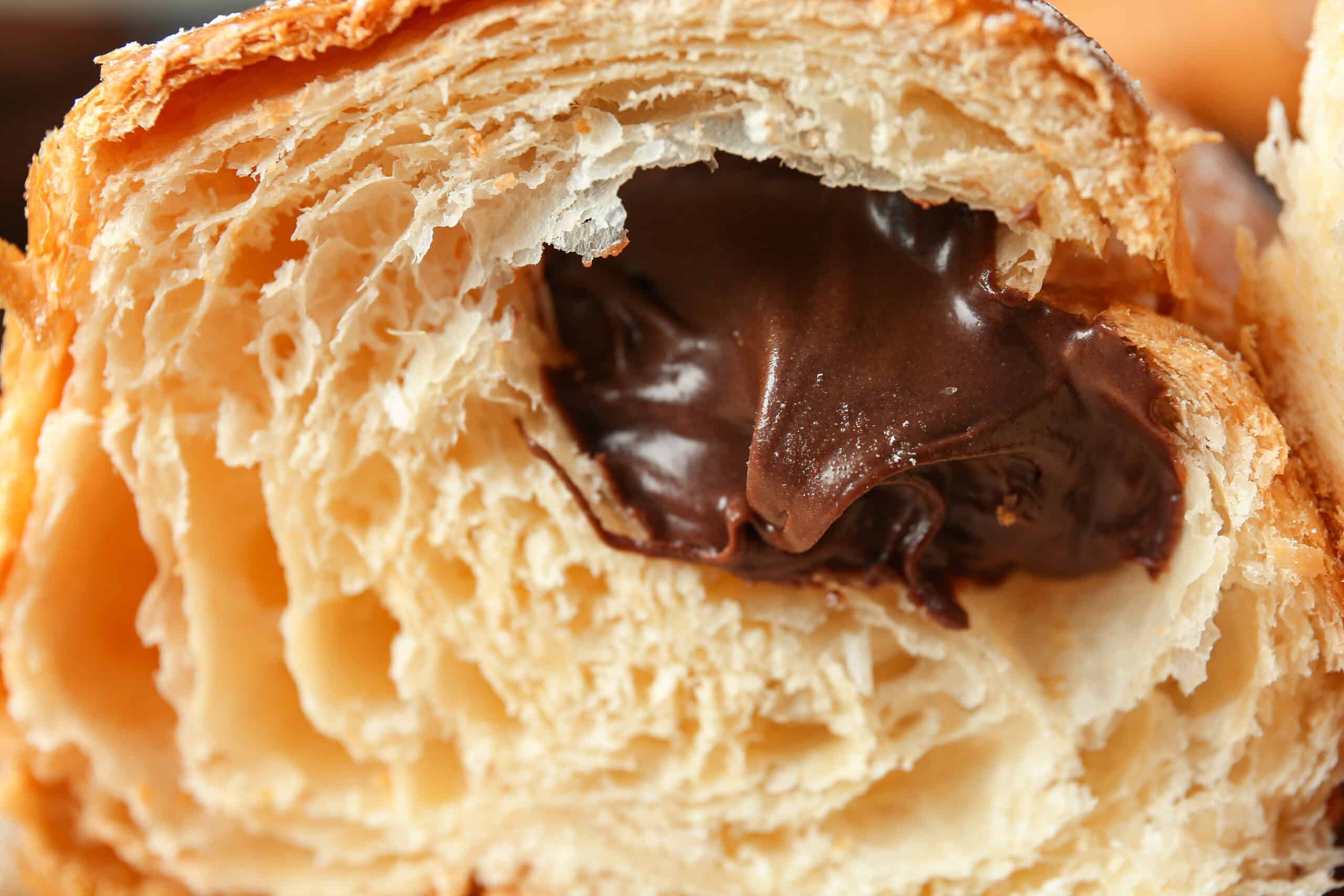
It’s why sweet heat has taken off the way it has. Unique and novel pairings exemplify this trend. Miso-vanilla-filled croissants and cardamom-orange glazes are moving from artisan specialty to mainstream retail.
Bouma also sees this desire for unexpected and experimental pairings as fuel for format innovation.
Hybrid & Experimental Formats
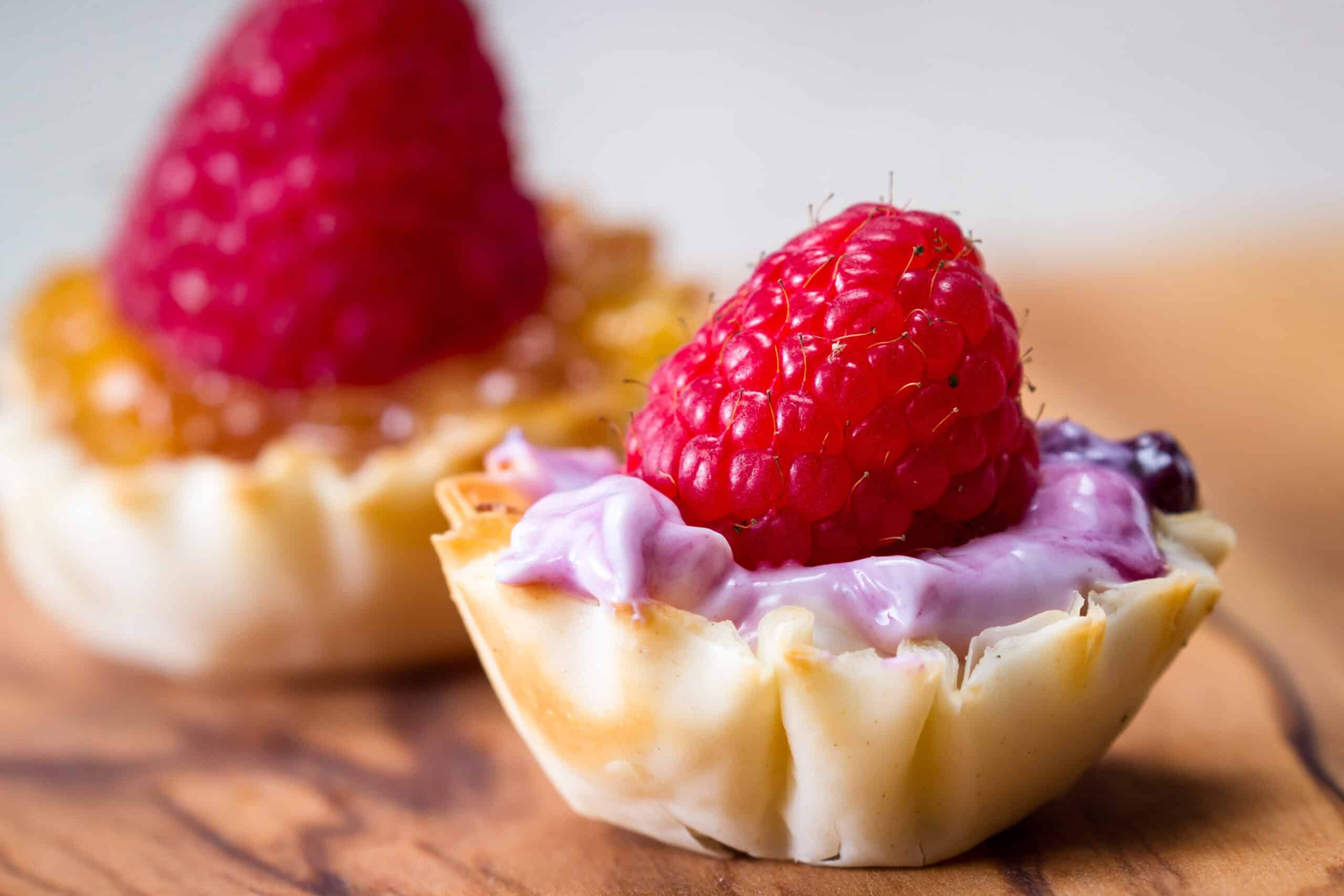
“I can tell you, in my opinion, the greatest thing since sliced bread is probably croissant bread. It’s won me over as a consumer, and it just goes to show that sometimes the easiest way to innovate is to take two things people love and put them together.”
Just look at the crookie, brookie, cruffin, and cronut. What started as viral hype turned into innovative formats that can even succeed in retail environments.
Embracing the unexpected could also mean zigging when everyone else is zagging.
One way to do this is to turn your standard sweet treat into an unlikely savory snack.
We’re already starting to see this with the increasing popularity of savory scones. But why stop at scones when you can have something like a spinach artichoke cookie?
The key to such products is quality and a premium experience. Which leads to our final bakery trend.
Bakery Trends #3: Craft, Comfort, and Convenience
Is it possible to get artisan quality anywhere?
More and more developers are trying to answer that with an emphatic, “YES!”
One way is to embrace cleaner labels to reconnect with tradition and the wholesome quality unique to baked goods.
As much as this is about clean ingredients, it’s also about quality and authenticity.
“This is not always about health. It’s more about getting back to that premium moment for baking that has a craft feel but is still convenient,” says Bouma
“This means real fruit, real chocolate, the list goes on, but what people want is that authentic feeling of buying something from a local bakery. Even if they got it from the freezer section.”
Traditional Bakery and International Taste Trends
More brands are making authentic, traditional, and international tastes more accessible than ever before. Whether it’s craft or comfort, Bouma sees consumers now expect these options.
“We’re seeing more products like baguettes, croissants, and macaroons that are offering the authentic experience and taste of French bakery without people even needing to leave their own homes.”
French-inspired bakery products are just the beginning. European, Asian, and Middle Eastern baked options are reshaping consumer expectations and changing the retail landscape.
Still, artisan quality isn’t limited to international inspiration. In fact, Oeck finds that many brands are revisiting the comfort of traditional recipes as grandma used to make them.
“Many companies are doubling down on the classics, and maybe trying to elevate them. For example, instead of just blackberry they may want Marion berry, as specific premium varietal from here in Oregon. We’re also seeing renewed interest in heritage classics like rhubarb and apple, with developers looking to bring a more premium twist.”
Bouma stresses that although this provides a major opportunity for developers, it also comes with its challenges.
“Whether it’s frozen, par-baked, or other methods, companies are answering the call with convenient, high-quality ready-to-bake consumer and food service options. Getting the taste right is one thing, functionality, and delivering that consistent craft experience and performance is another thing.”
Turn Bakery Trends Into Products
Clean-labels and creative sensory experiences are reshaping what consumers expect. So are craft-quality convenience and comforting favorites. Developers who leverage these bakery trends will lead the way forward.
Check back later this month for the third part of our series: Road Map to the Trends that Matter for Food Developers: Cultured Dairy.
Ready to innovate with confidence?
Our ingredient systems help developers unlock these trends.