
Key Takeaways
- Consumer trends push the need for formulation stability in bake stable fruit-fillings.
- Stability relates to both sensory and production performance, impacting overall product quality.
- Common challenges include boil-out during baking and moisture migration affecting texture.
- Every Fresh emphasizes high-quality ingredients and tailored solutions to address unique customer needs.
- Developers must balance performance, sensory attributes, and labeling requirements in formulating bake stable fruit-fillings.
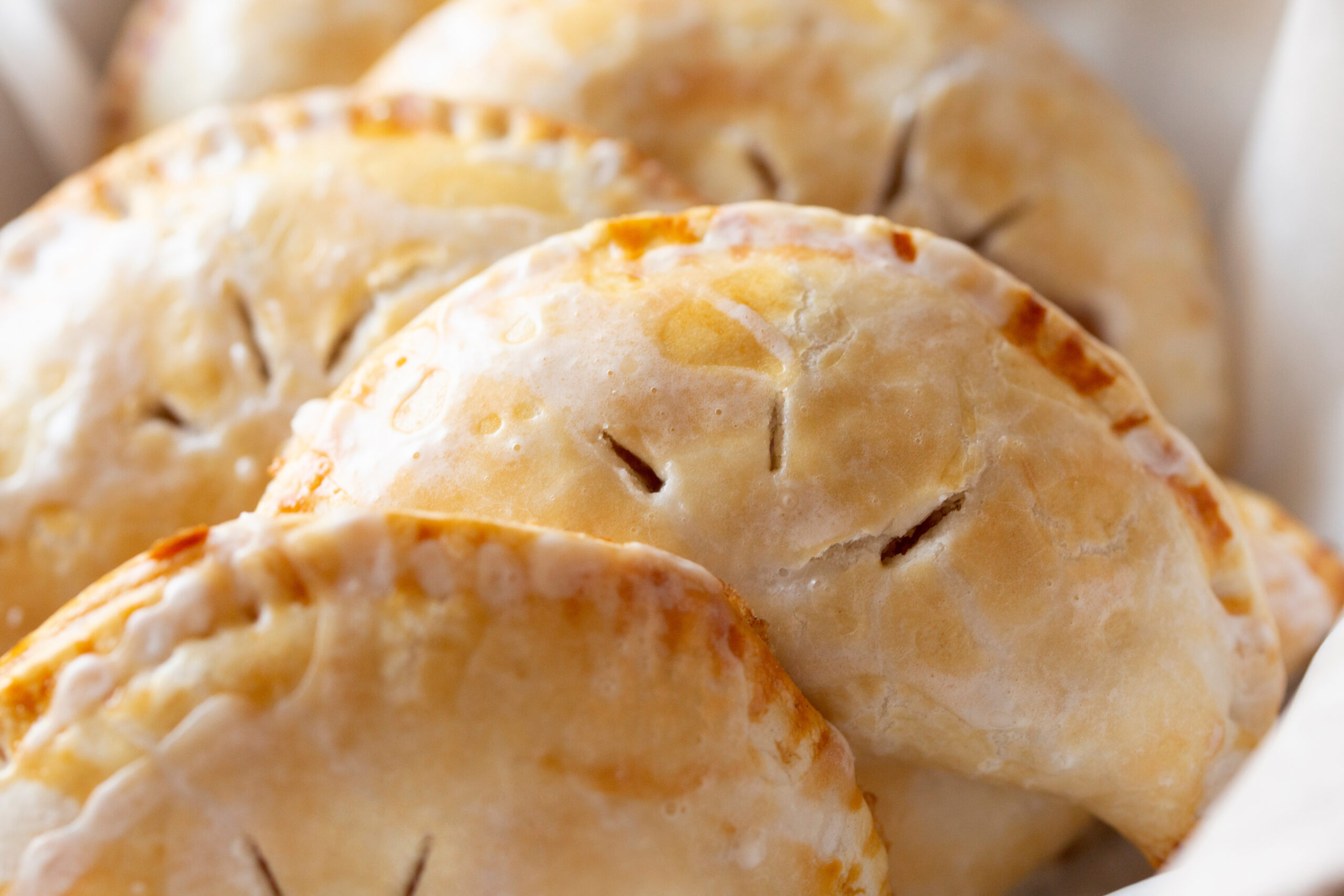
Consumer trends are pushing the boundaries of formulation bakery innovation more than ever. However, delivering the exciting flavors, clean labels, functional ingredients, and engaging sensory experiences people are after—especially when it comes to bake stable fruit-fillings—requires formulation stability and performance developers can rely on, from start to finish.
The influx of new ingredients and harsh processing makes reliability even more crucial and more difficult for bakery items. Especially those requiring bake-stable fruit fillings.
We sit down with Isabella Goldman, Food Innovation Scientist, to discuss a few of the biggest formulation and production challenges developers face with these ingredients, and how Ever Fresh helps craft custom solutions for bake-stable fruit fillings.
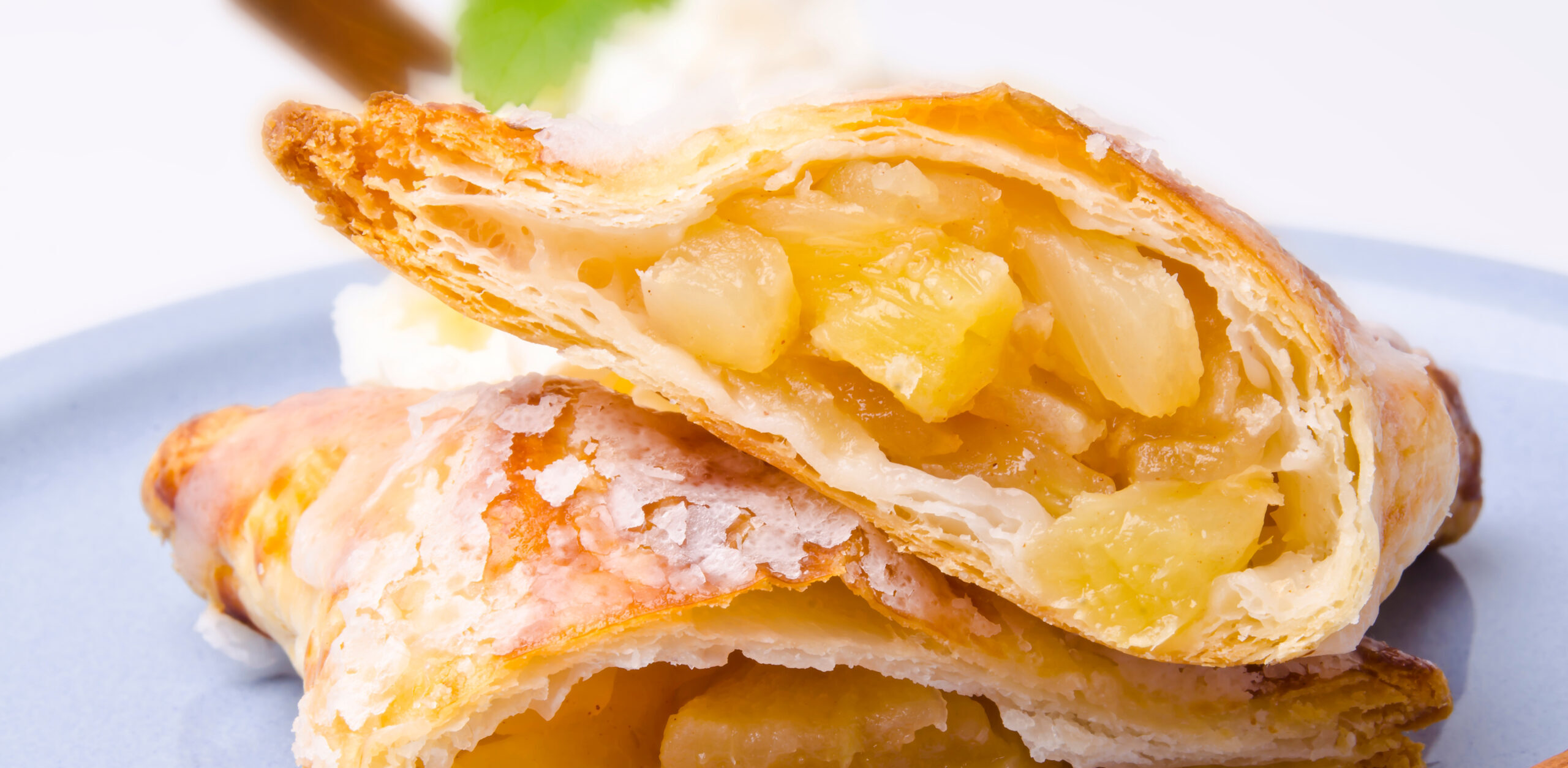
When working with fruit fillings, is stability more focused on sensory or bake-stable production performance?
It’s important that we view bakery products as a complete system. In other words, while bake stability often relates to processing performance, it really can’t be separated from sensory.
Making formulation changes to address or improve performance can have downstream effects on taste and texture.
It also goes the other way around. That’s because any changes you make impact the system as a whole.
Understanding these connections between the levers of sensory and performance is the core of how we comprehensively tailor our functional ingredient systems for industry-leading bake-stable fruit fillings.
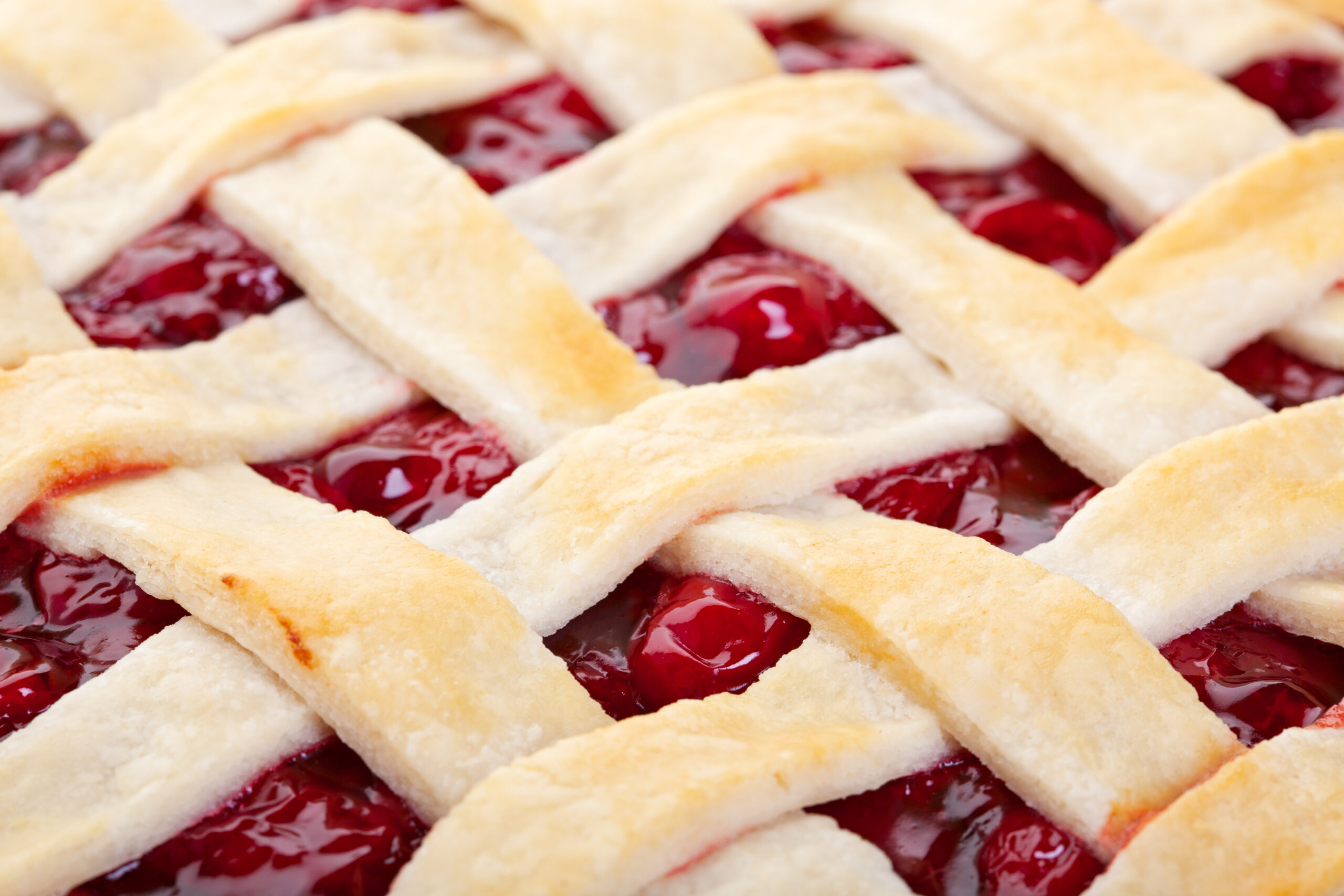
What are the most common sensory challenges that bake-stable fruit fillings should solve?
Every aspect of the sensory experience is impacted by formulation and processing choices.
For example, both color and flavor can fade and degrade over time. This becomes more noticeable when we add the harshness of the baking process into the mix.
There are definitely things we can do to boost flavor and color, such as adding more fruit, natural flavors, and colors. Again, these might solve one problem, but you have to ensure they work well within the whole system.
The same goes for texture. We have a lot of tools in our toolbox to help improve texture, but it’s always a balancing act.
We don’t want to improve texture only to introduce off-notes or negatively impact performance.
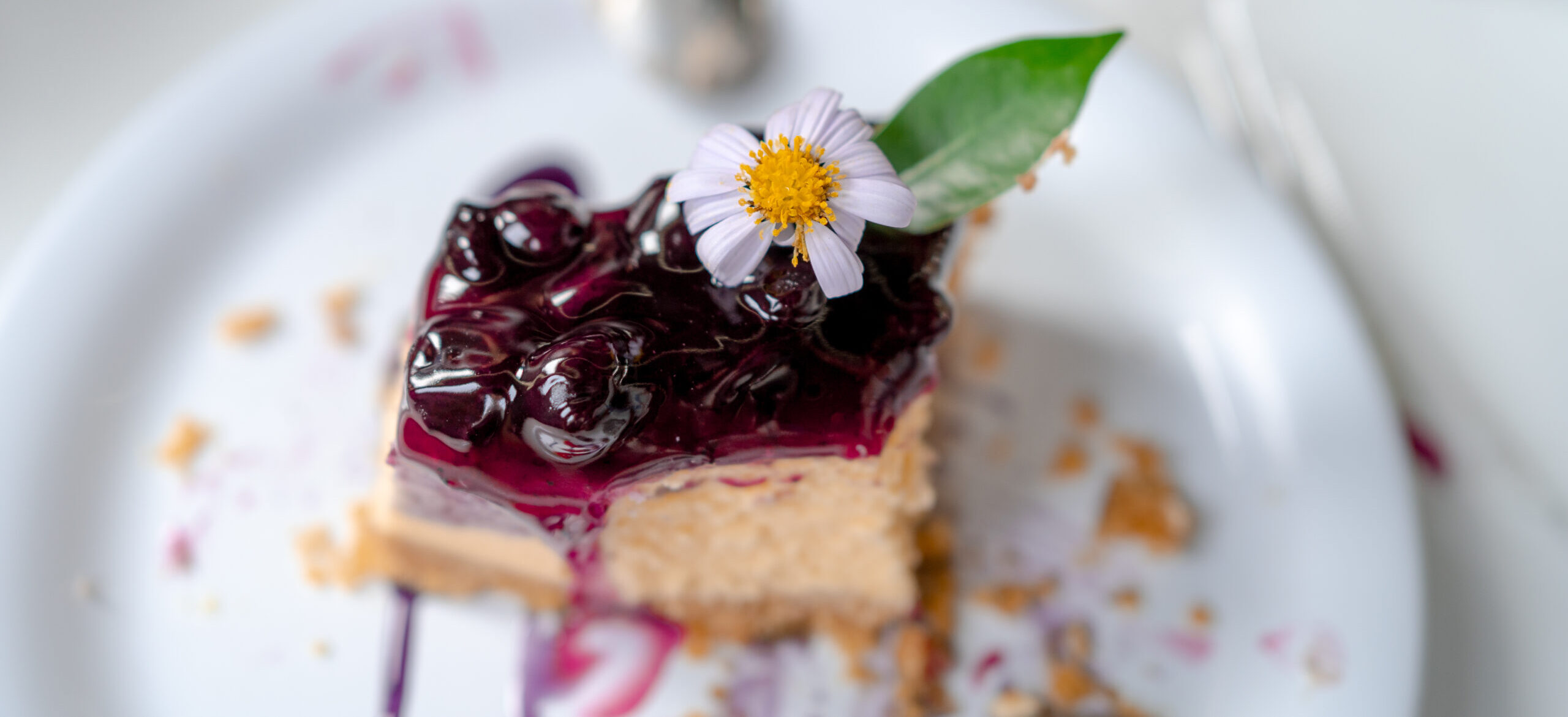
What are the top issues impacting stability in product production performance ?
When it comes to performance, before anything else, it starts with knowing the expectations for your end application.
This will decide how you define stability.
For example, if the formulation is for a bar with only a thin layer of filling, stability may be less of an issue, especially if it has closed edges that can help maintain product integrity.
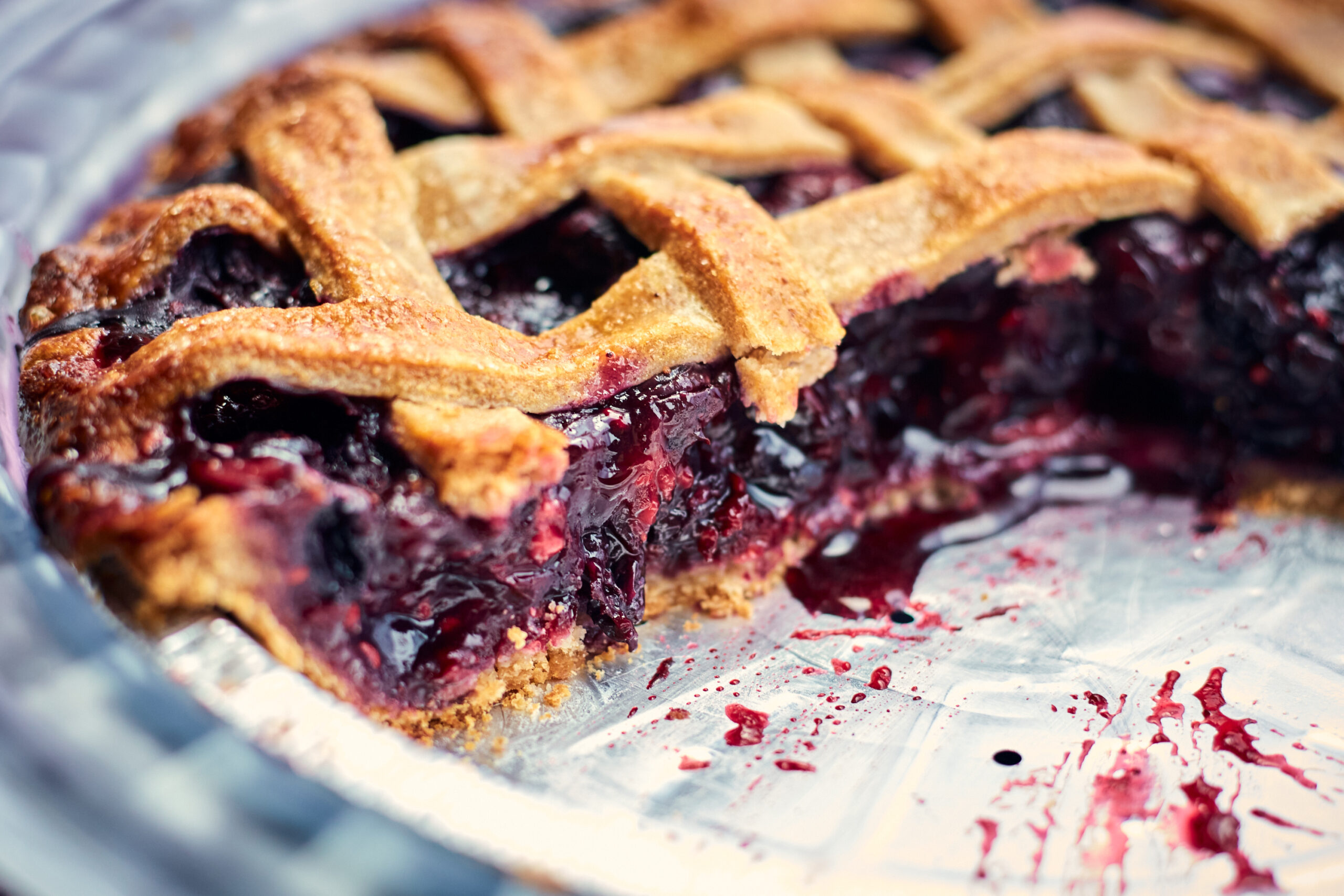
Now if you have something with exposed edges, vents, or a greater concentration of filling, there may be more moisture or a higher likelihood of boil-out.
Boil-out is one of the most common stability challenges that fruit fillings face and is a crucial parameter in production.
Boil-out occurs when heat from the baking process causes the hot filling to ooze out of the product. This is, of course, a problem for the product’s presentation and delivery, but it can also cause production issues.
When the filling doesn’t hold up during production, it can cause a mess on the processing line and, in extreme cases, damage equipment.
Another challenge is freeze-thaw stability.
When products are thawed and baked, or even refrozen after thawing, it can impact structure and release extra moisture, which can impact texture as well as contribute to boil out.
Similarly, a common issue with fillings is syneresis. This is basically the weeping out of liquid from a gel structure. A common example of this is when you squeeze a ketchup bottle, and the watery liquid comes out first. The easiest way to fix this is to mix it back in, but that’s harder to do with a filling, especially if it is already in the product.
We often see this when a product is later in its shelf life or has gone through multiple freeze-thaw cycles.
Do water activity and moisture migration factor into stability?
While these are two separate issues, they are connected and can definitely affect a product’s stability.
Water activity is a measurement of how much free water is available for processes to happen in a formulation, such as microbial growth and chemical reactions. Water can either be free water or bound water. Bound water is moisture that is held onto by proteins, salts, starches, gums, and sugars. Free water is water that is available for chemical reactions.
Low water activity is crucial for shelf life, because that means water is less available for microorganisms to grow.
However, with higher-fruit-content fillings, the total moisture and water activity will naturally increase. This is still okay if a shorter shelf life is acceptable, but if a longer shelf life is desired, you will either need to raise the Brix level and decrease the water activity, or decrease the pH. Preservatives can also help prevent spoilage.
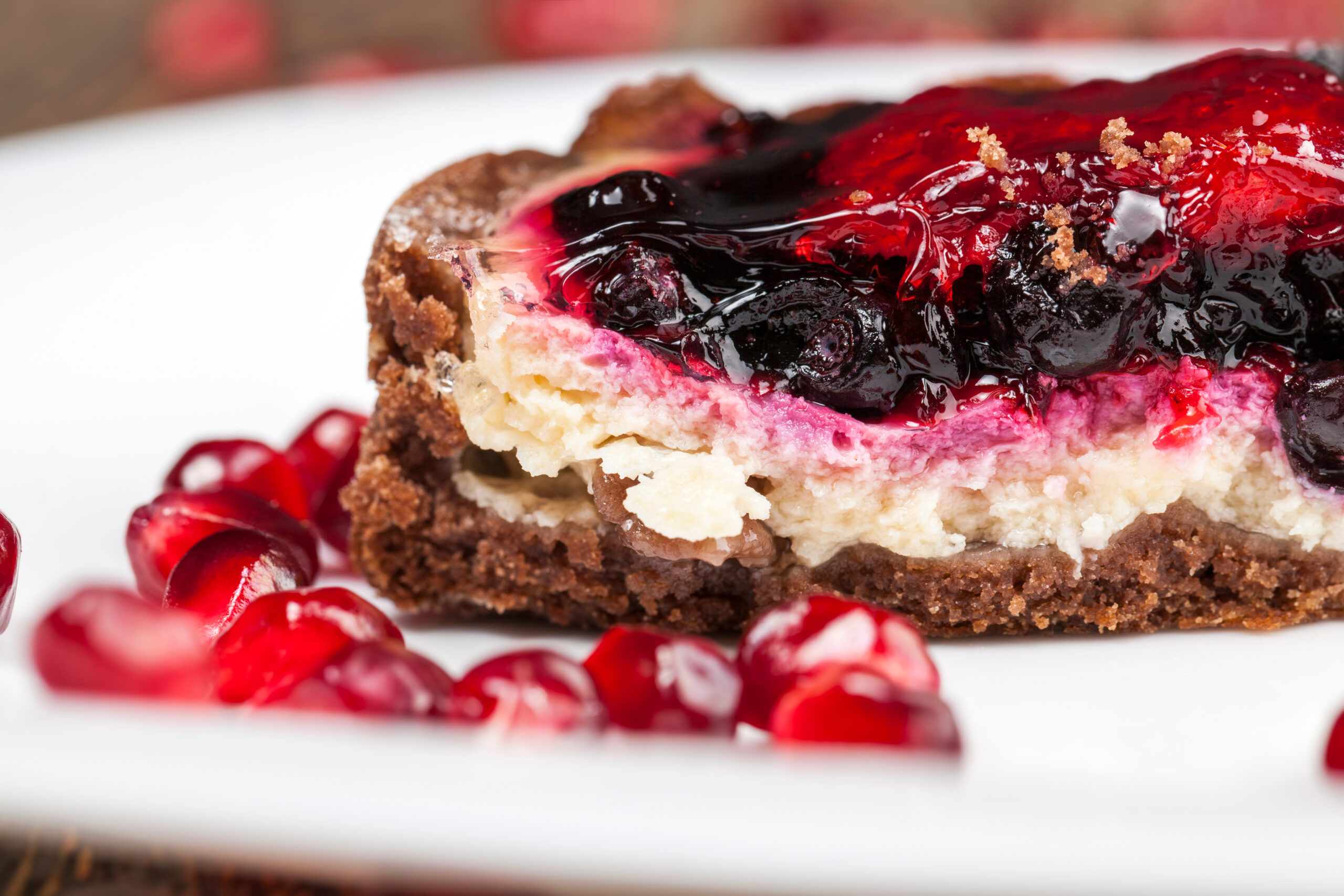
Differing water activities in a system with multiple components will lead to moisture migration.
When it comes to water activity, systems will always return to equilibrium. So, moisture in a high-water activity area will always try to move to a lower-water activity-level component.
The resulting moisture migration becomes an issue when you have multiple components, such as a filling and a crust.
In this case, it primarily impacts texture. For example, if the water activity of the filling is higher than that of the crust, then the moisture will move from the filling to the crust, potentially leaving you with a soggier crust and a dried-out filling.
The opposite is also true. If your crust has a higher water activity than the filling, it will become dry and crumbly. In this case, the filling also becomes wetter and runnier.
Ideally, you want to develop solutions that keep these levels equal. What that is depends on the customer’s requirements and limitations.
What role do a customer’s limitations play in crafting solutions?
Whether it’s sensory or performance-related, every project has different constraints and limitations.
This is why, even though our approach might be the same, we don’t give one-size-fits-all answers to these challenges.
For example, if a customer is struggling with boil-out or moisture migration, we may want to look at stabilizers to help. These could be a variety of starches, gums, or a combination of ingredients tailored for their product.
Now, there might be a customer who wants to avoid conventional stabilizers for labeling or marketing purposes. So we might have to try other things, like citrus fiber or egg yolk powder, to replace conventional emulsifiers such as lecithin and mono- and di-glycerides.
A solution to decrease water activity could be to increase the Brix level by adding sugar, which as we all know, is something a lot of developers are trying to move away from.
Again, this will mean pursuing other options to achieve the desired result.
However, each alternative may present its own challenges, such as lower performance, unwanted off-notes and textures, or increased costs.
Natural colors, for instance, can help boost color loss from baking, but they could potentially add offnotes, raise costs, or alter pH.
None of these things is a deal breaker that prevents you from achieving bake-stable fruit fillings. However, they are why it’s so important to have partners that can customize solutions for your specific needs.
What difference does Every Fresh make when crafting bake-stable fruit fillings?
It starts with the highest quality fruit. Whether it’s our local Pacific Northwest fruit or our incredible sourcing, using only the best fruit makes a huge difference.
On top of this, our quality team checks and compares each production batch to ensure consistency in everything we offer.
But above all, I think it’s our experience and relationships with customers.
We have the expertise and resources to delve into the science and develop a solution tailored to that specific formulation.
Not to mention, our long-term focus on natural, organic, and clean ingredients gives us a head start in addressing the specific challenges brands face today, which they may not have been concerned with just a few years ago.
Also, we make our resources readily available to our partners. This could be using our labs to solve processing challenges and technical challenges, or even scaling up their production.
So whether it’s bake stability with fruit fillings or other challenges, we’re here to help our partners deliver the best possible product for their consumers.
Ready to add a botanical twist to your bakery lineup?
Our team is here to help you source the premium ingredients that make trending flavors work.
Let’s Talk!
Isabella Goldman
Isabella Goldman is a Food Innovation Scientist at Ever Fresh Fruit Co, where she develops bake-stable fruit fillings and custom ingredient solutions for bakery applications. She holds a Master of Science in Food Science from the University of Illinois Urbana-Champaign and a background in chemical and biological engineering.
Related Links: