
Key Takeaways
- Creating functional ice cream formulations involves addressing challenges in processing, stability, texture, and taste.
- Developers must account for the unique properties of botanical and functional ingredients throughout the formulation process.
- Maintaining the integrity of flavors and textures is crucial to avoid compromising the indulgent experience for consumers.
- Cost and sourcing of high-quality ingredients, like natural colors and botanicals, add additional complexities to formulation.
- Close collaboration from the beginning is key to balancing sensory quality, label claims, and cost in functional ice cream formulation.
Functional and Botanical Ice Cream Formulation Challenges
In our recent webinar “Functional Ingredients in Ice Cream & Cultured Dairy”, the one and only Donna Berry, Editor, Consultant at Dairy & Food Communications, Inc and Publisher, Berry on Dairy, joined us to explore the intersection of better-for-you with other trends and the formulation challenges of developing with functional and botanical ingredients in ice cream and cultured dairy.
With that said, I wanted to take this opportunity to take an even deeper look at functional and botanical ice cream formulation challenges, more specifically, and how Ever Fresh can help developers create the best-tasting, better-for-you products possible.
Where to Begin
Before diving into the challenges specific to formulating for functional and botanical ice creams, there’s something we need to address.
Creating indulgent, better-for-you products is not as simple as adding or removing ingredients to an existing offering and slapping a benefit claim on the front of the pack.
This often creates more problems than it solves.
In other words, incorporating functional and botanical ingredients can’t be an afterthought. Developers must consider their benefits alongside processing, stability, and taste and texture challenges from the start.
Often this means building a formulation from the ground up.
Validating that a product can withstand processing and remain stable through consumption is a critical part of getting this right.

Functional Formulation: Managing Processing and Stability
Addressing functional and botanical ice cream formulation challenges starts with understanding that every ingredient is different.
Taking a zoomed-out perspective, we can clearly see the differences between many botanicals and other functional ingredients.
Managing Thermal Loss with Botanical Volatile Compounds
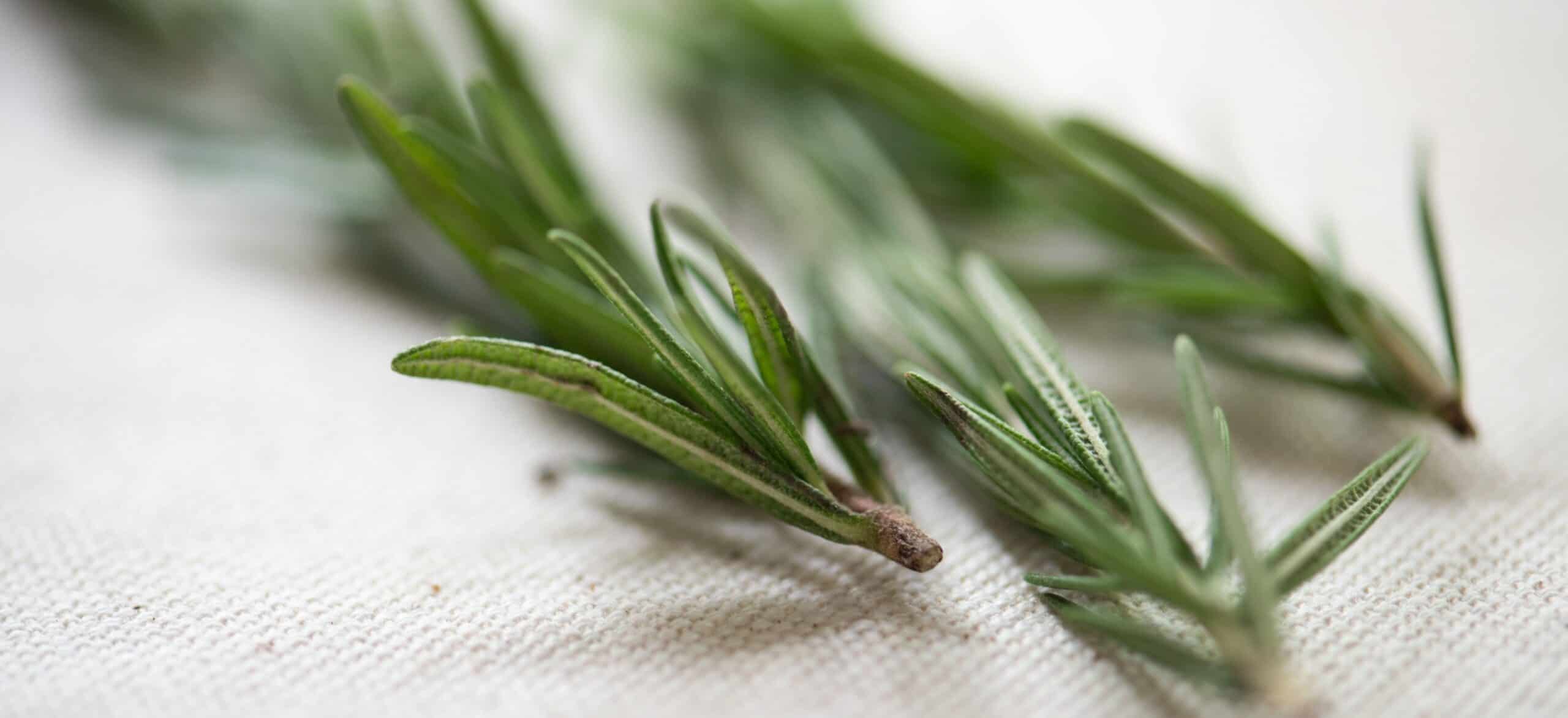
Botanicals are unique because they can be used for flavor and aromatic purposes, as well as for their functional properties.
Both of which can be incredibly fragile, especially during high-heat processing.
The harsh heat often damages the delicate, volatile aromatic compounds of botanicals, diminishing their impact.
In addition to temperature, the level of thermal loss is also related to the exposure time.
To better manage this, we encourage adding such ingredients later in the process rather than at the beginning.
It’s also why it’s critical to choose the optimal form of each botanical ingredient.
We have found that spray-dried versions or those with the appropriate carrier system tend to be the most resilient. They help protect the fragile flavor and aroma compounds against heat, oxygen, pH, and other negative co-factors.
As mentioned above, the functional benefits of botanical ingredients can also be degraded by commercial processing.
For example, antioxidants like polyphenols, anthocyanins, curcumin, and gingerol may lose their potency, or even be entirely lost, if not processed correctly.
Preserving this as much as possible is crucial for substantiating benefit claims. But also for maintaining efficacy through freezing and throughout a product’s shelf life.
This remains a major consideration even when formulating with non-botanical functional ingredients.
Processing Challenges of Functional Ice Cream Formulations
First, you have ingredients that, while technically botanicals, are used primarily for their functionality and not their flavor.
These can include things like adaptogens, nootropics, and other ‘superfoods’.
Similarly sensitive to temperature-related processing are gut-health-focused ingredients such as prebiotics, probiotics, and postbiotics.
Incorporating these may excite shoppers, but they serve little purpose if they can’t survive the production line.
Then, of course, you have protein.
Processing Protein
For illustrative purposes, let’s focus on collagen — we featured it prominently in our recent flavor program.
It also presents unique challenges separate from those of botanicals.
Unlike botanicals, collagen has a bit better heat tolerance, especially when you know the right form and when to add it.
In our case, we found that hydrolyzed collagen (peptides) had greater heat stability than native collagen.
You still have to remember that high enough temperatures or duration can degrade these ingredients. So their tolerance isn’t unlimited, but it’s a bit more forgiving than that of more volatile compounds.
While I stressed the importance of waiting to add botanicals at the end, this was the opposite.
Interestingly, the reason for this has less to do with the health benefits of surviving heat and more with its functionality within the base.
Collagen must hydrate fully to disperse evenly throughout the ice cream base. Adding it during the liquid phase makes this possible.
Ingredient incorporation and solubility are crucial for overcoming one of the biggest functional and botanical ice cream formulation challenges: texture.
Functional and Texture Ice Cream Formulation Challenges
As Berry explained, ice cream and frozen novelties are all about indulgence. Pairing that with the benefits of better-for-you is a no-brainer.
But a major factor of what makes ice cream so indulgent is its smooth, rich, velvety, creamy texture.
Asking consumers to sacrifice that for health benefits might not be a tradeoff they’re willing to make.
This is what can make functional and botanical ingredients difficult to work with.
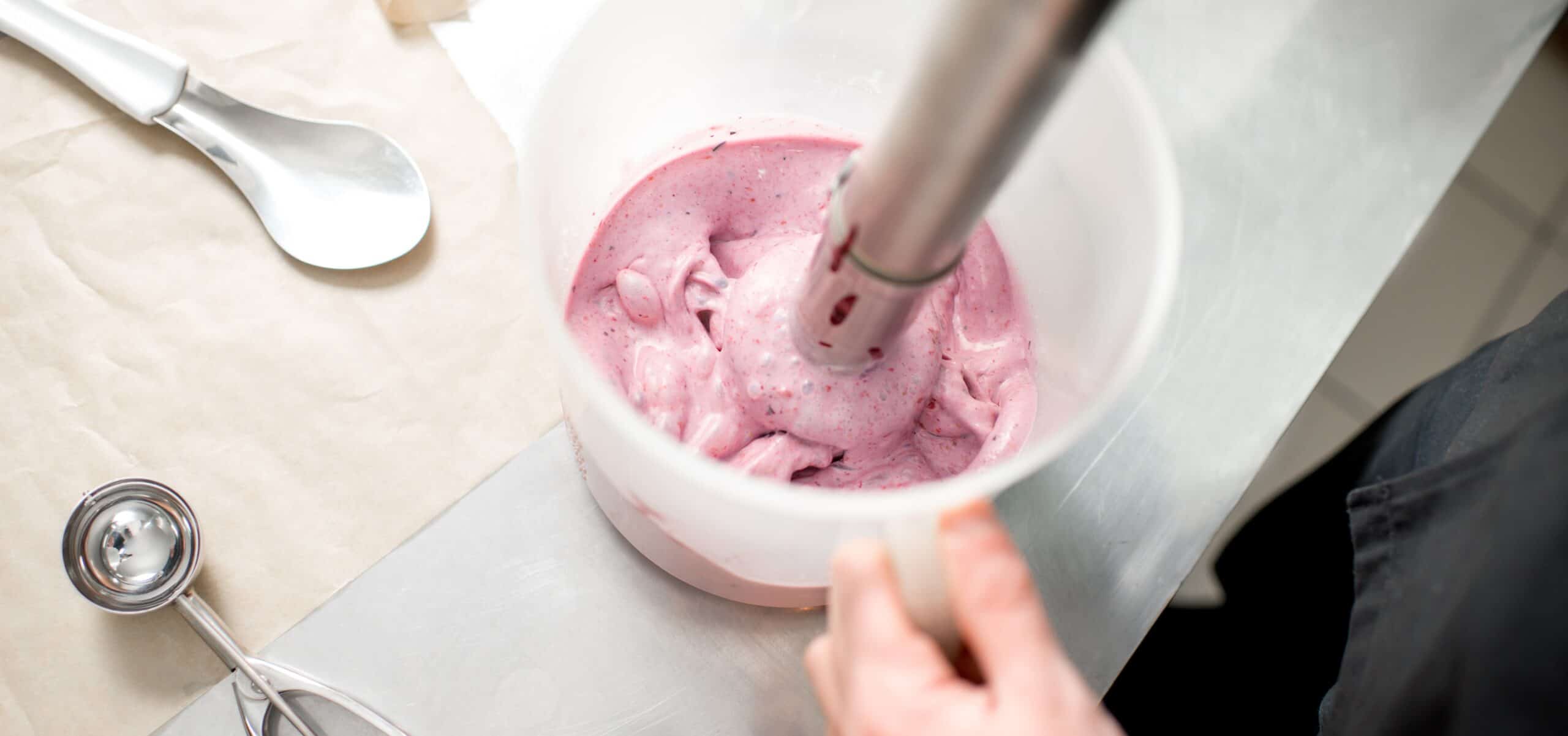
A developer may try to pack in as much protein as possible. The wrong type or too high of a dosage may fail to incorporate, or do so at the cost of texture expectations.
Another viable alternative may be to include protein in a variegate. This would maintain the creaminess of the base, but still, there are limits. You only have so much space to play with.
Adding too much and those ribbons and swirls go from a decadent protein boost to a gloppy, putty-like protein mess.
Certain proteins can ruin mouthfeel by imparting a coarse grittiness to the formulation, not exactly the definition of indulgence.
These textural hurdles aren’t limited to protein. Any added ingredient, including botanicals, can negatively impact the sensory experience.
Botanicals and Texture
From teas and floral flavors to herbs, spices, and more, the definition of botanicals is extremely broad.
Naturally, so is the form that these ingredients come in.
Whether it’s oils, essences, powders, natural flavors, etc, each can impact solubility, emulsification, and distribution in your ice cream matrix.
Adding them at the end may be the best way to preserve flavor and function. However, deciding what you will use needs to be considered from the start.
This applies not only to texture but also to the overall sensory experience.

Functional and Botanical Taste
There is often a stark contrast between the taste challenges developers face when formulating with botanicals versus functional ingredients.
With the exception of exclusively functionally-focused choices, botanicals are picked specifically for their flavor profiles.
The biggest challenge here is creating a profile that appeals and resonates with the target market.
I took an in-depth look at how to approach this in my article Functional Botanicals in Ice Cream: Indulgence with Purpose.
In short, pairing botanicals with familiar fruit and indulgent, comforting profiles helps add intrigue while maintaining accessibility.
Purely functional ingredients are a different story.
Even if you can maintain functionality and preserve an indulgent texture, taste is still the number one factor of liking.
And unfortunately, many of these ingredients bring along unwanted tastes that can overshadow everything else.
Protecting the sensory indulgence means doing what you can to neutralize the taste impact of these ingredients.
Protein and Off-Notes
As new animal-derived and plant-based proteins are introduced into the market, the number of additional taste challenges follows suit.
Our case study of collagen is no exception.
While collagen offers a cleaner profile than the other proteins, at high enough levels, it can become brothy or bitter. This can reduce creaminess and overpower your desired profile.
Part of the answer may be utilizing different masking solutions.
Another simpler approach, and one that can be used on its own or with other solutions, is to lean into what works.
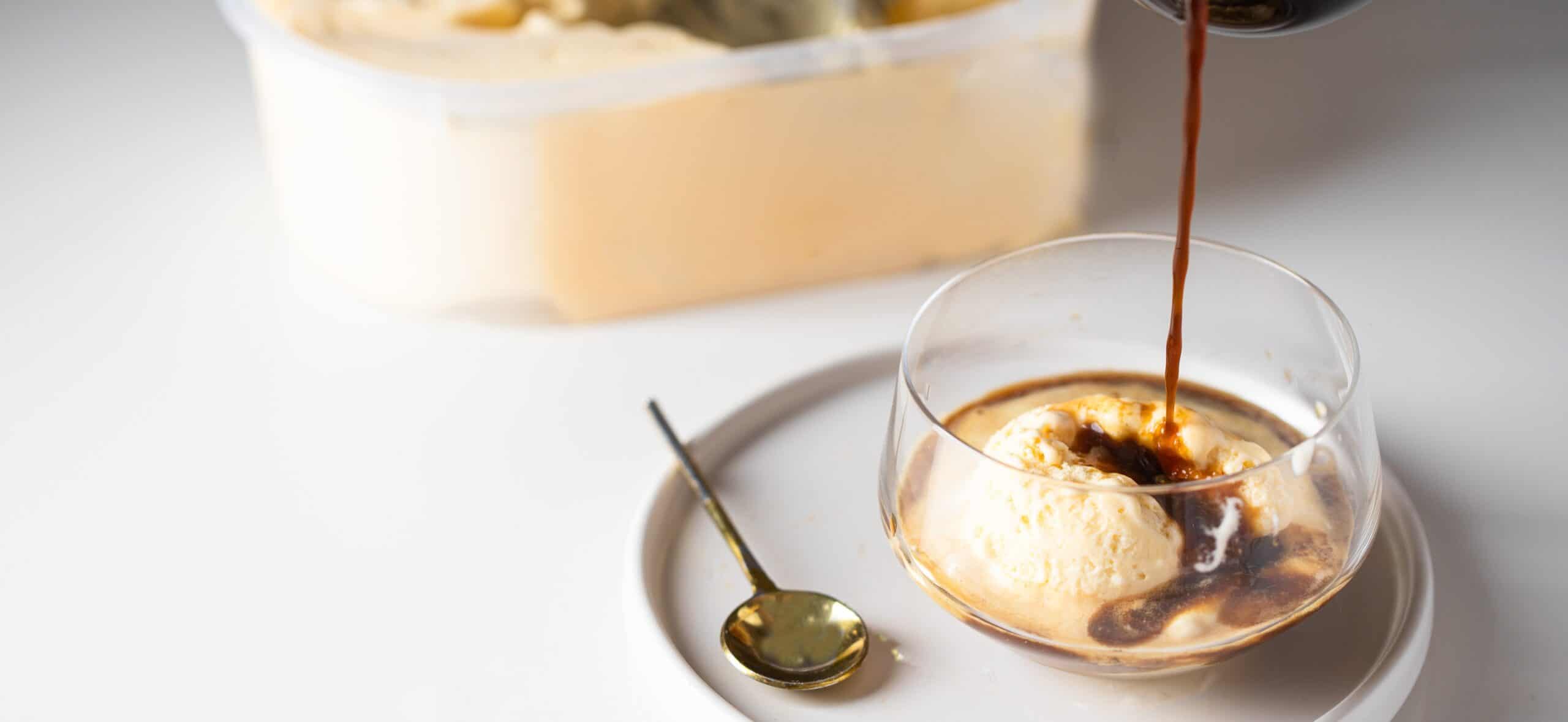
Pairing collagen with compatible flavor systems that are stronger in nature, like chocolate, caramel, or coffee, can work wonders.
These flavors not only help balance bitterness with their complementary profiles, but they are comfortable, classic profiles that consumers will always gravitate toward.
Yet, taste, texture, and processing might not even be the biggest hurdle for functional and botanical ice cream formulations.
Functional and Botanical Ice Cream Challenges: Cost and Color
As Berry put it during the webinar, “Everything that works in the lab can be possible in commercial production. It really comes down to economics more than anything else.”
The unfortunate reality is that cost stability is increasingly becoming a primary concern for developers across categories.
Aside from supply chains and commodity price fluctuations, functional and botanical ingredients once again present unique challenges.
As protein is incorporated into just about everything now, supply is starting to struggle to meet demand. Resulting in increasing the cost-in-use of an already “not cheap” ingredient.
Botanicals more often than not face the opposite problem, but yield the same result on the balance sheet.
Many of these ingredients are quite niche, meaning they too can be quite expensive.
Even in the case of more common botanicals, opting for high-quality sources or organic versions also comes with a higher price tag.
Moreover, in our climate, these aren’t the only components adding to developers’ costs.
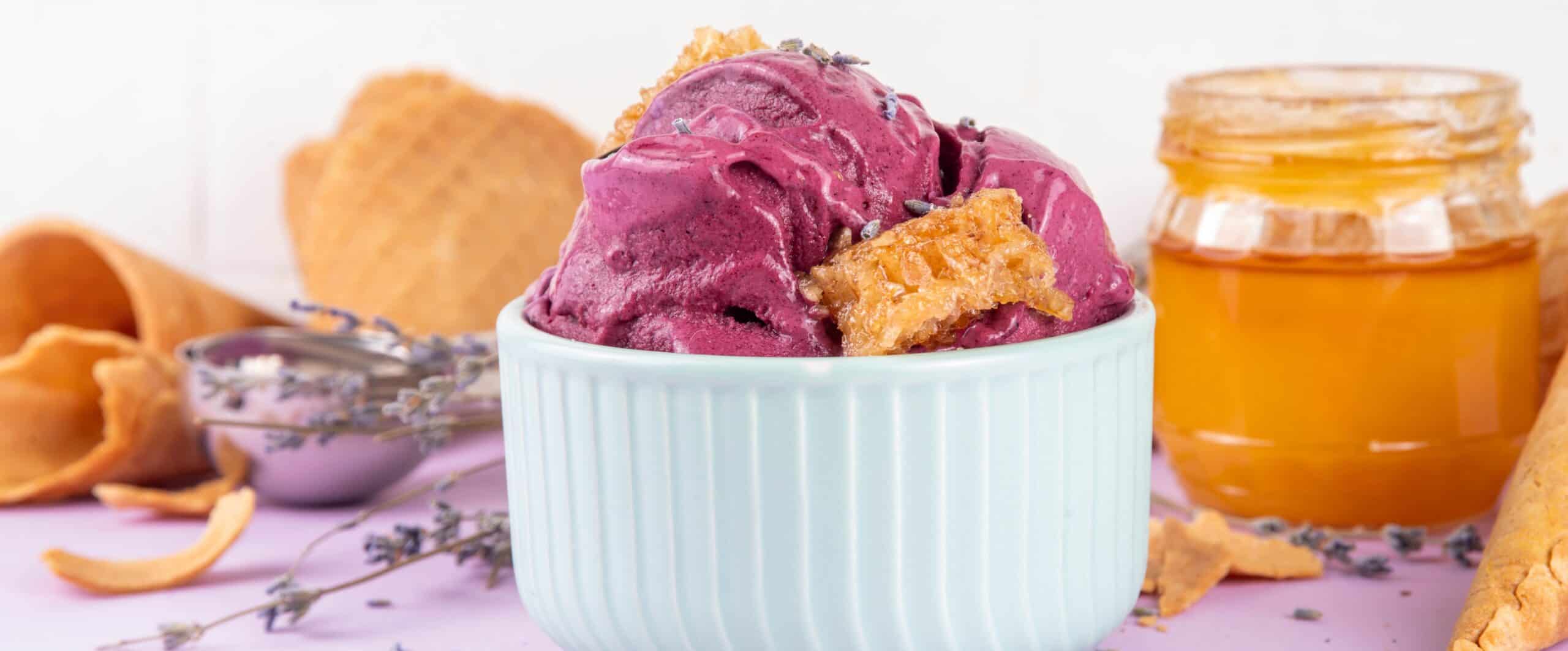
Natural Colors & Ingredients
At the nexus of consumer awareness and regulation are artificial ingredients.
These can range from flavors to stabilizers and preservatives. But none of these is getting the attention of natural colors.
While taste and texture may seem like the main components of the sensory experience, visual aesthetics are more important than ever.
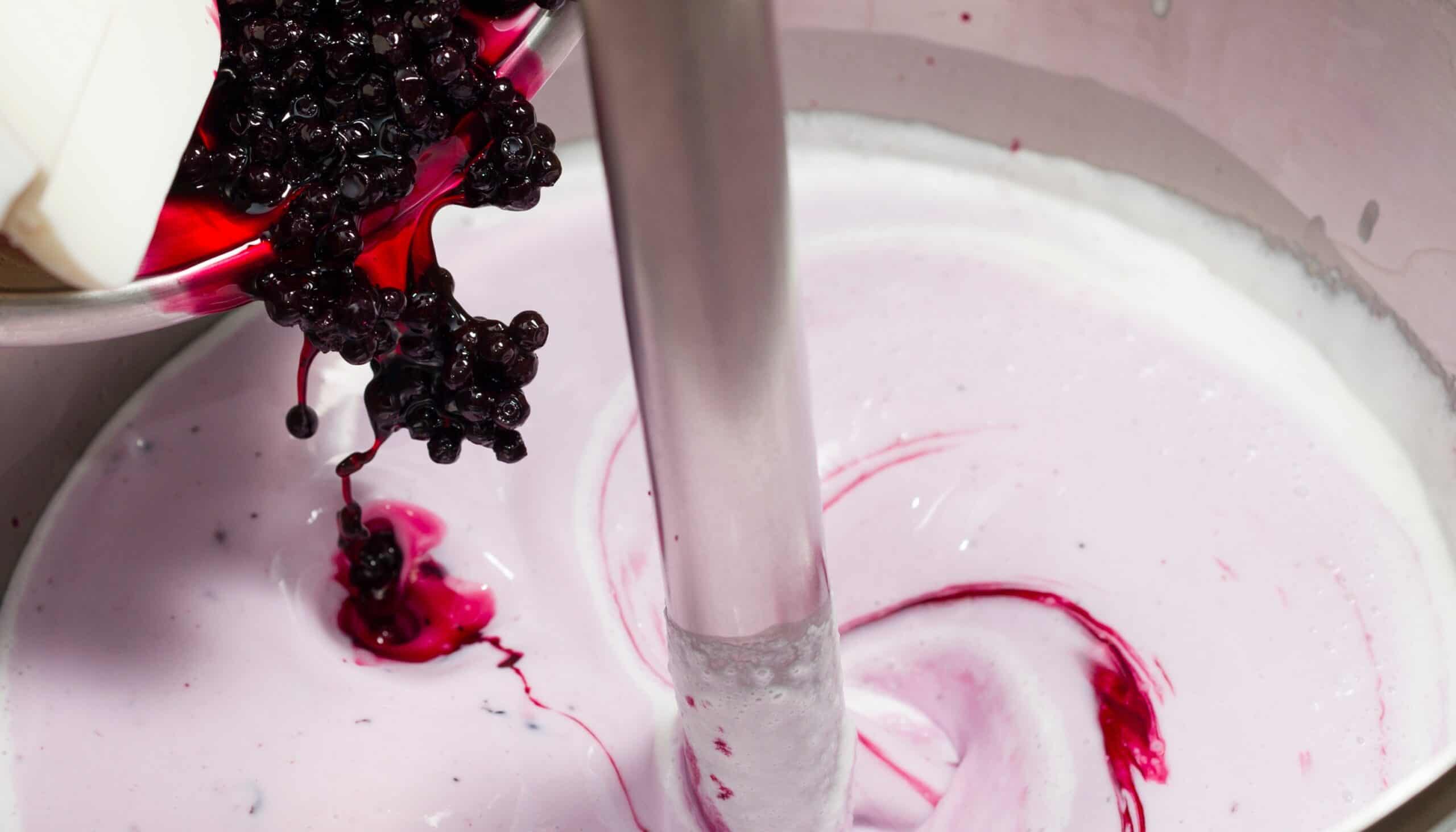
Many developers are quickly realizing that moving to natural colors is not as simple as swapping out one ingredient for another.
Although the increased demand is fueling incredible innovation in the natural color space, they aren’t without issues.
First of all, as of now, they often cost more. But from a formulation perspective, they may not provide the same visual impact, and could add additional off-notes.
These changes to the finished product can be unexpected and difficult for developers to wrap their heads around.
And it’s why Ever Fresh always wants to collaborate with our partners as early in the process as possible.
High-quality natural ingredients, including colors and flavors, have always been a priority in our formulations.
It’s part of what helps us put our customers ahead of the game, and others in the food and beverage industry.
But the best, better-for-you botanical and functional products come from addressing all of these challenges as a single system.
Balanced Better-for-you Botanical and Functional Ice Cream Formulations
None of these challenges exists in isolation.
It’s not about solving them individually, but deliberately and comprehensively.
Through close collaboration, we help our customers strike the right balance between overall label claims, sensory quality, and cost to achieve the best product possible.
Taste how Ever Fresh can make a difference in your functional botanical ice cream developments.
Download our Functional Botanicals Featured Flavor Tasting Guide to see these concepts in action.

Related Links: