
Key Takeaways
- Food service beverages drive innovation in the industry, often leading trends seen in other categories.
- Younger consumers increasingly prefer healthful and functional beverages as snack alternatives, which influences product development.
- QSRs are quicker to experiment with new beverage trends, compared to retail, due to shorter timelines and fewer restrictions.
- Emerging flavors and international inspirations are reshaping beverage offerings, appealing to consumer curiosity and familiarity.
- The focus on sensory experiences elevates food service beverages, incorporating unique textures and flavors for a memorable drinking experience.

Food Service Beverages: The Real Trendsetter
In our Road Map to the Trends that Matter for Food Developers series, we’ve explored the ice cream, bakery, and cultured dairy trends that developers need to consider not just this year and next, but for the foreseeable future. We will also take a closer look at Food Service Beverage Trends in upcoming posts.
In this Part 4 of our in-depth look at the macro-trends dictating the direction of development, we turn our focus to Food Service Beverages.
“A quick look at beverage trends, and you’ll see that they perfectly coincide with what’s going on in ice cream, bakery, and cultured dairy. But that doesn’t tell the whole story,” says Scott Geringer, CEO of Ever Fresh Fruit.
“While the overarching trends apply across nearly all categories, beverage trends, and food service beverage trends in particular, are where most of this innovation and experimentation starts.”
He continues, “Looking at QSR (quick service restaurants) is always a great place to start. Whether that’s your local urban coffee shop, or market leaders like Starbucks, they’re always ahead of the game. It’s almost like the easy button for developers trying to decide they’re next application.”
Beverage Trends: QSR vs CPG/Retail
Geringer acknowledges that although food service beverages set the pace with new trends, retail is usually next in line to adopt them.
As he explains, there are good reasons for this but also key differences to be aware of.
“Beverage as an overall ‘category’ is simply easier to experiment and take risks with than other applications. Part of this may be due to consumer psychology, but from a technical perspective there are just fewer variables to consider than things like ice cream or bakery.”
“However, this is also where food service beverage development has an advantage over retail. There is less concern around things like shelf life, long-term stability and performance, packaging, etc. These restrictions necessitate longer timelines, and often greater investment in individual products”
He stresses that this doesn’t mean that food service beverage development is without its own set of challenges. But they are more often related to questions of complexity, sourcing, and scale.
With generally shorter timelines to market, brands are free to take more swings at innovation than they otherwise might. This willingness to experiment and lead the way is a hallmark of food-service beverages.
Particularly with the first trend.
Food Service Beverage Trends: Healthful Sips On-The-Go
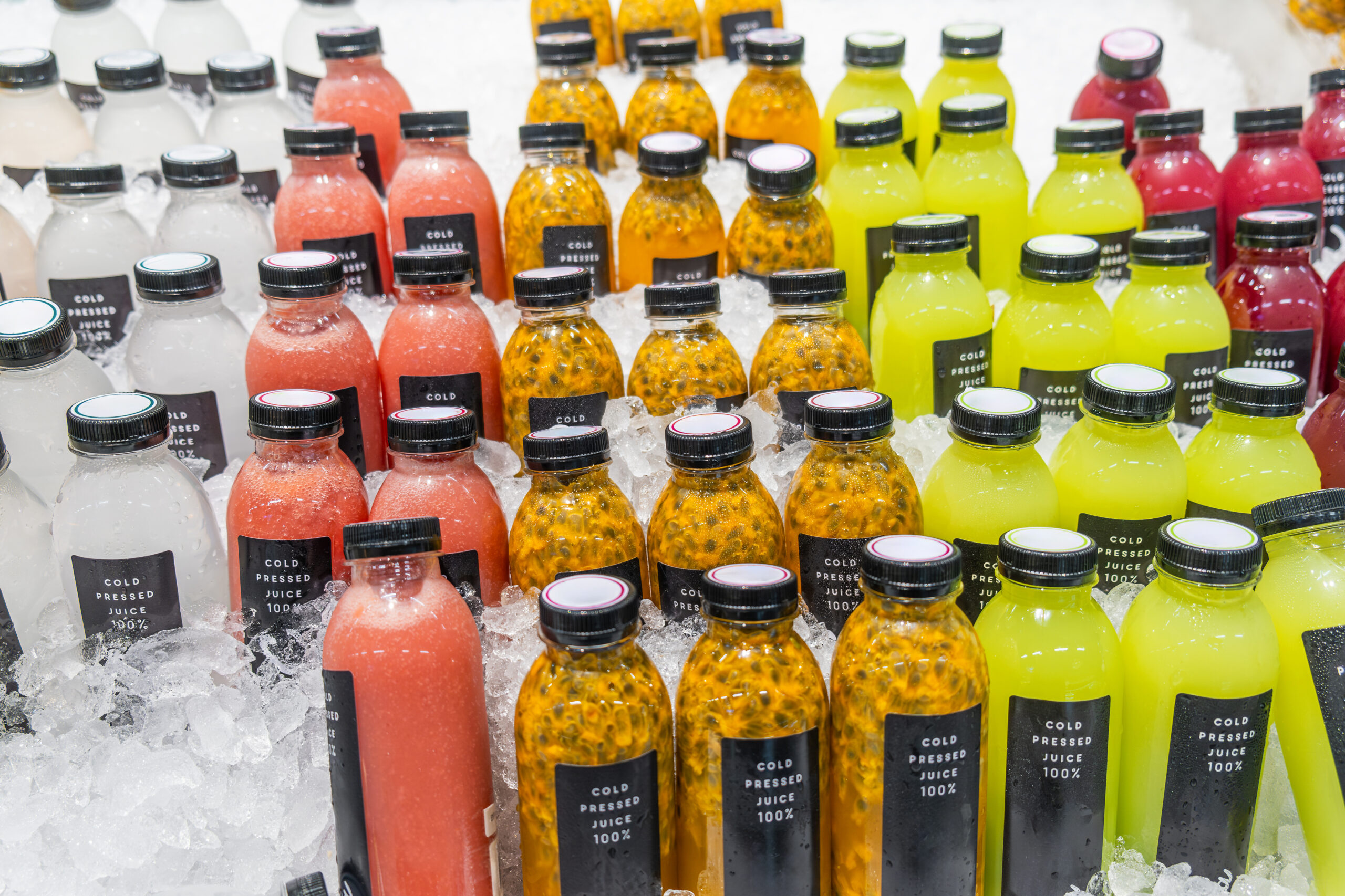
Health, wellness, better-for-you, functional; at this point, none of these trends are considered “new”. Yet, what consumers are looking for and how developers are delivering on these demands continues to evolve rapidly.
Nowhere is this more true than in the beverage space.
Younger generations in particular have taken the promises of functional beverages and run with them. A recent survey found that 80% of Gen Z and 75% of Millennials have functional beverages at least once every two weeks.
Still, it’s not only important to look at what they’re drinking, but why?
A 2026 report from Circana shows that nearly 64% of consumers sometimes opt for a beverage as their snack of choice.
Pair this with the fact that around 50% of consumers across various global markets are occasionally replacing meals with snacks, and the looming impacts of widespread GLP-1 adoption, and it’s easy to see why beverages need to be more than just a “drink”.
Although health-focused beverages have been and continue to be staples in RTD (ready-to-drink) and RTM (ready-to-mix), they are quickly becoming mainstays in food service beverages as well.
Protein
Protein is still the reigning king of functional beverages.
But now with major QSR chains getting on board the protein train, it’s becoming more accessible than ever.
Dunkin’ Donuts, for example, introduced Protein Refreshers, boasting their new “protein milk” and around 15g of protein.
Packing the protein even further, Starbucks released their high-protein lattes. Featuring protein-boosted milk and/or protein cold foam, these drinks pack the coffee and matcha lattes people already love with upwards of 36g of protein. For the more calorie-conscious, sugar-free options are also available.
In addition to raising the protein bar, Smoothie King’s menu seeks to acknowledge the specific needs of GLP-1 patients. The result is a range of “GLP-1” smoothies that showcase up to 45g of protein and 0g of added sugar.
These moves by major chains are illustrative of both consumer demand and the range of what is possible with protein.
From plant-based to dairy, from creamy and fruity to indulgent coffee creations, protein is for everyone. Finding creative and delicious ways to get it to them is a new standard for food-service beverages.
Hydration
Achieving and maintaining adequate hydration throughout the day has become a priority for many individuals.
This makes perfect sense when considering that recent data suggests nearly 150 million Americans regularly report signs of low hydration.
Yet, this category remains dominated by RTD and RTM products, which continue to explode in popularity and variety.
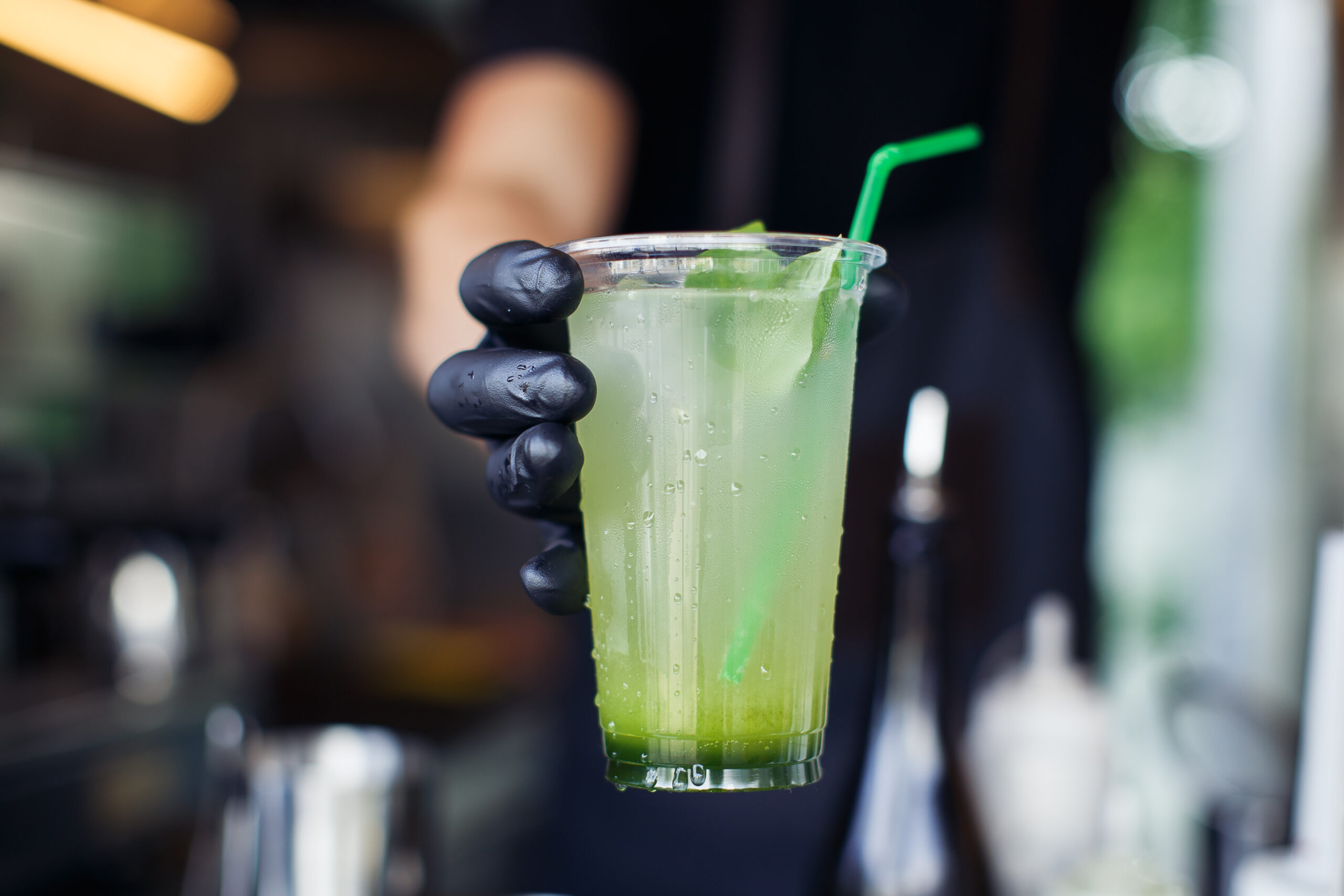
Finding ways to incorporate electrolytes into beverages like refreshers and sparkling beverages has enormous potential.
Some brands are leaning into a natural approach by adding ingredients known for their hydration benefits.
For example, incorporating coconut water, “nature’s sports drink,” is an incredibly versatile option.
Great on its own, it offers an even greater boost in hydration and flavor when paired with fruits like melons, citrus, and berries.
But these additions can also carry the functional benefits that consumers are clamoring for.
Functional Benefits & Botanicals
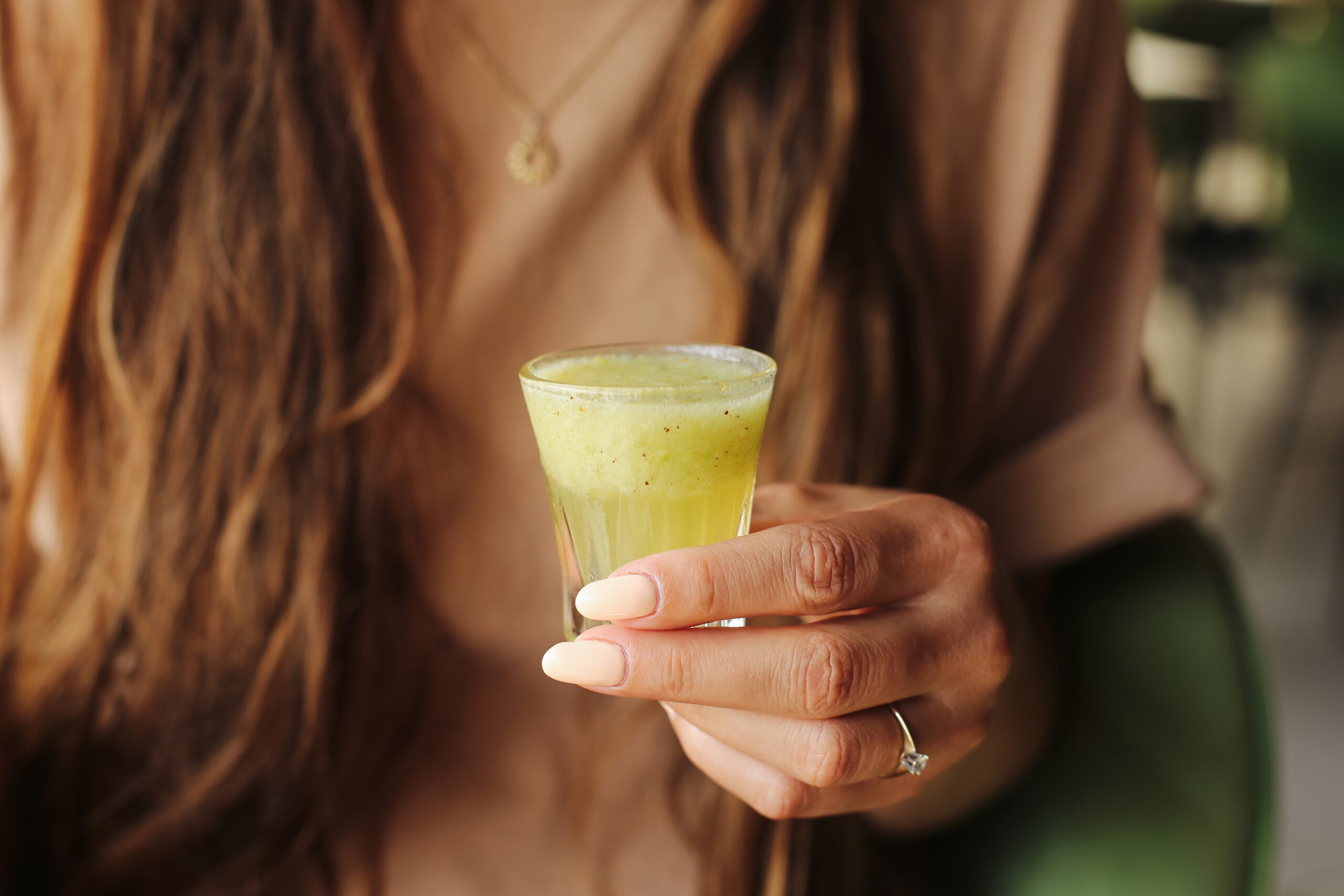
From wheat grass shots to immunity boosts, adding functional ingredients to food-service beverages is nothing out of the ordinary.
Which is why, out of all categories, beverages continue to set the standard for functionality.
Expect to see more options for energy beyond just caffeine, stress reduction, mood boosting, collagen for beauty starting from within, not to mention some extra protein and much more.
Within the functional movement, botanicals, which we’ve discussed extensively in bakery and ice cream, are now adding more than just flavor.
Whether it’s adaptogenic and nootropic mushrooms, traditional ingredients like ginger, turmeric, maca, and ginseng, or floral and herbaceous teas, botanicals offer a rare blend of flavor, intrigue, and health benefits that are only becoming more desirable as this trend grows.
This is especially true for the growing number of people looking for drinks they can enjoy, feel good about, and not worry about how they’ll feel the next day.
Food Service Beverage Trends: Crafted & Customizable
What started as the “sober curious” movement with Gen Z and Millennials a few years ago has spread across all demographics. Now around 30% of US consumers state they are actively reducing their intake of alcohol.
This illustrates how this trend isn’t only here to stay; it’s becoming big business.
By the close of 2025, the non-alcoholic beverage market reached over $1 billion USD. This number accounts only for off-premise sales, yet it’s in restaurants and bars that the innovation starts.
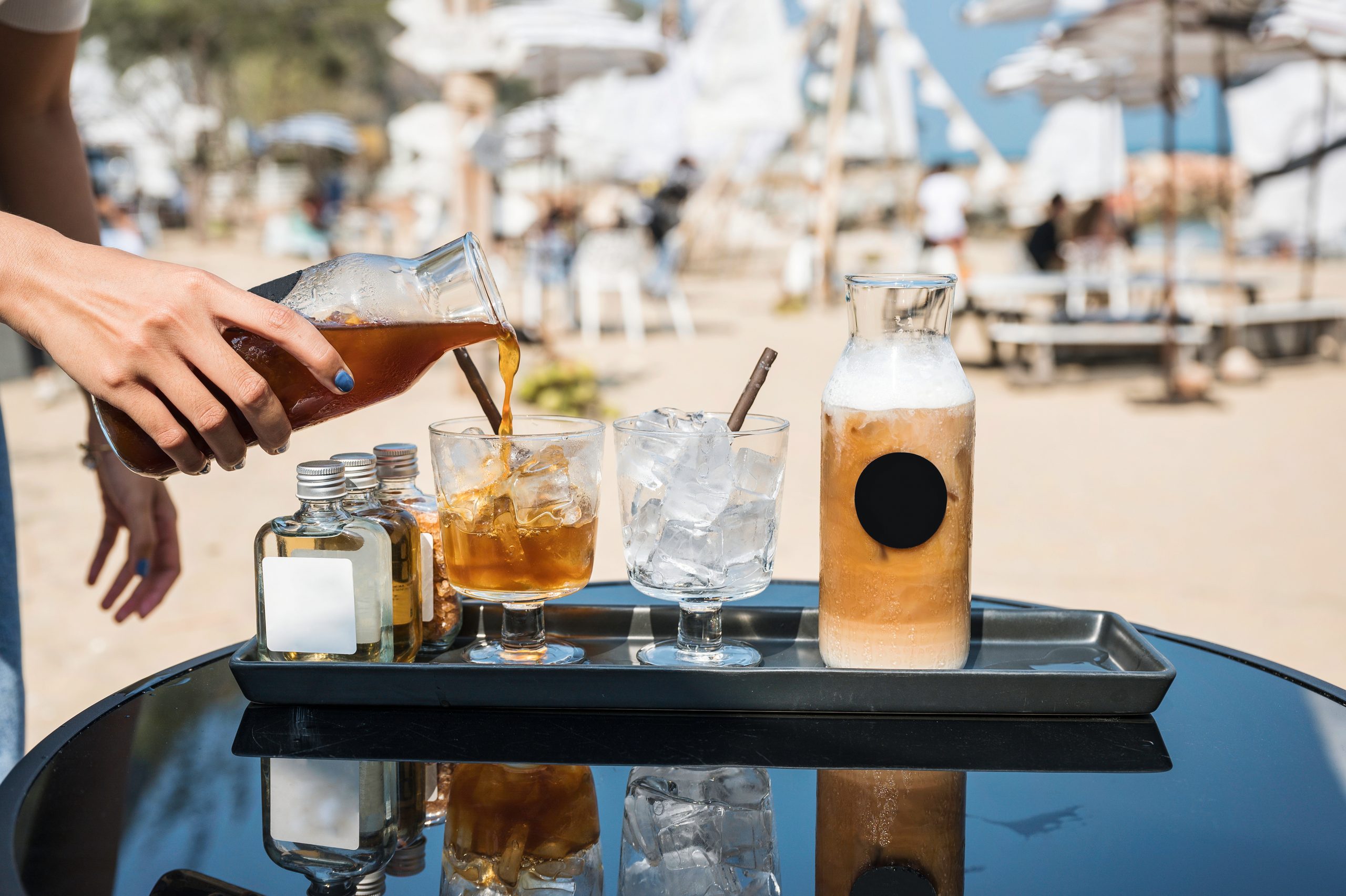
It’s where the line between mocktail and a refresher or other carefully crafted cafe beverage is becoming less and less distinguishable.
“While mocktails are now mainstays on nearly every full-service restaurant menu it might seem hard to see how that translates to QSR offerings,” says Geringer.
“Yet, what it does highlight is the demand for not only healthier options, but innovative and layered beverage taste experiences. This is something we’re already seeing across the board, especially when it comes to incorporating international flavors.”
Named International Innovation
Many people focus on how things like K-pop and anime are actively reshaping the media landscape in America. Yet it’s Asia’s culinary exports that might be having an even greater cultural impact.
It’s no secret how matcha has gone from a niche option tucked away on the back of the menu to the de facto alternative to coffee.
But rather than a one-off, it was more of an indication of where things were headed.
Now waves of inspiration from cafes across Asia are flooding onto TikTok and, as a result, filling QSR retailer menus.
But even more than trendy creations, we’re seeing the shift towards “named” international offerings.
Gone are the days of vaguely titled treats. Today’s consumers want the real thing.
This is abundantly clear in the rise of beverages featuring ube, yuzu, dragon fruit, lychee, and more.
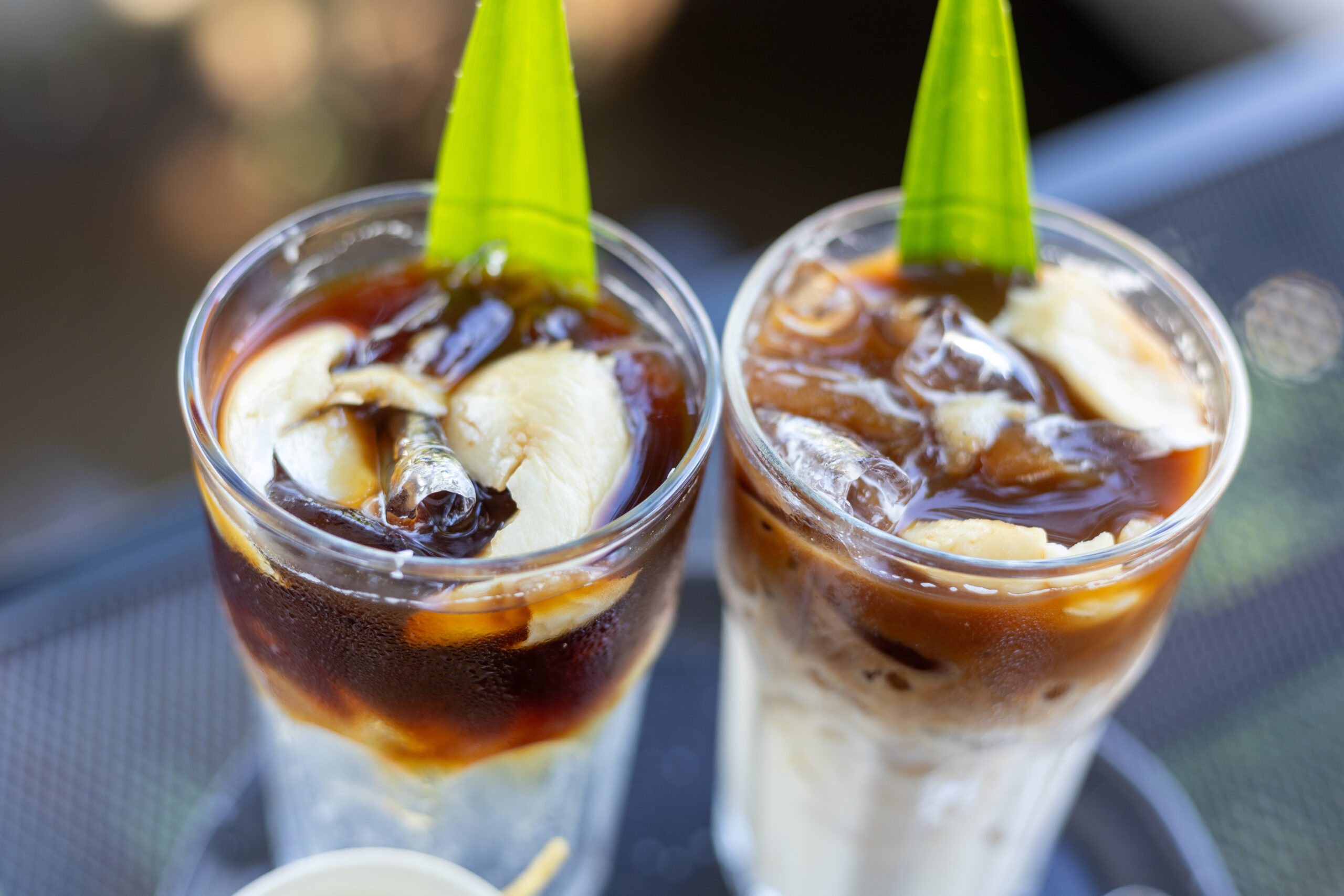
It’s why it may not be surprising to see previously unknown ingredients like pandan, black sesame, misugaru, and a wide range of fruits appearing in new recipes.
But this isn’t limited to Asian flavors. Internationally inspired offerings from around the globe, including those from Latin America, the Middle East, and Europe, are also gaining traction.
The key, as Geringer explains, is to root these flavors in something familiar.
Rooted in the Familiar
“This is where trends really collide. Whether it’s nostalgia, international flavors, or as we’ve discussed with botanicals in ice cream, it’s about creating an anchor to the familiar. It could be a flavor pillar or familiar format, but something that helps lowering the barrier of entry for trial”
He adds, “But this isn’t only about building acceptance for new and trending flavors. There are also practical reasons for development and innovation behind this. When you make an ube base for example, you’re only able to do one thing with it. Now if you have let’s say a vanilla, cream, or coconut base, not only are they fairly common, but there are more things you can add, and my swings you can take.”
A classic vanilla or chocolate shake base is a perfect example. It’s indulgent and nostalgic on its own, but it also offers a perfect canvas for trending LTOs and line extensions. You can offer a Dubai chocolate one month followed by s’mores the next, and Girl Scout Cookies or strawberry matcha after that.
This approach also allows brands to offer the elevated sensory experiences consumers are starting to expect.
Food Service Beverage: Sensory Sips
Color. Texture. Temperature. Layered sensory sips are about much more than Instagramable aesthetics.
They are about the experience.
Of course, taste remains the #1 determining factor of success, but the sensory maximalism permeating the entire industry shines brightest in beverages.
Take what some are labeling the hottest trend in beverages: cold foam.
It’s light, airy, yet creamy and indulgent. It works incredibly well with a standard dairy profile, or can be infused with flavors for nearly limitless possibilities.
In addition to the textural contrasts, it adds layered visual appeal to everything from coffee to matcha to sparkling sodas.
This combination of creamy indulgence and contrasting sensations is why dirty sodas are now found everywhere, from major coffee chains to fast-food drive-throughs.
Texture from chewing popping boba to crunchy toppings and mix-ins like Dubai chocolate kanefh and pistachio, and velvety, fudgey, or dulce de leche swirls and drizzles are pushing food service beverages towards ice cream-territory-level variety.
The same goes for fruit identity. On top of purees and juices, real identifiable fruit pieces check multiple sensorial boxes to elevate the experience.
Turn Trends Into Products
Food service beverage trends set the standard for innovation, experimentation, and practical applications.
Whether it’s pioneering protein and putting the “fun” into functional, expertly crafting unique taste combinations, or exciting the senses with layered experiences, these trends are unlocking new frontiers for food service beverages.
Learn how Ever Fresh can help you turn these food-service beverage trends into menu items.
Items your consumers will keep coming back for.