
Estimated reading time: 10 minutes
Key Takeaways
- Product formats significantly influence food and beverage development, often outweighing trends.
- In cultured dairy, options like Greek yogurt and low-fat products present unique challenges and opportunities for flavor innovation.
- Ice cream development hinges on size, shape, and cost, affecting consumer expectations and flavor choices.
- Consumers seek sophisticated eating experiences but demand value in larger portions, impacting innovation strategies.
- Understanding your target audience is crucial to selecting the right product formats for success.
I think it’s time we start talking about how, at the end of the day, food and beverage product formats drive development.
Now, don’t get me wrong, trends are incredibly important when it comes to inspiring innovation.
But as appealing as they can be, they aren’t always a fit for everyone.
Even if a taste trend aligns perfectly with your brand and your target audience’s expectations, the product format you ultimately choose could be what makes or breaks a product’s success.
However, when I say “product formats drive development”, I mean much more than just what category a product falls under.
Obviously, deciding whether you’re developing an on-trend bakery item or a dairy dessert makes a massive difference in your approach. Even then, you have to consider the details of the different sub-segments.
Is it a pastry or a cupcake? Is it a non-dairy dessert bar? A traditional ice cream? Maybe even a decadent, high-protein, or functional yogurt.
The approach, challenges, and restraints will vary greatly depending on which direction you choose.
Again, this still isn’t close to everything brands need to consider when narrowing down their format choices.
So what are these other factors I keep pointing to? Don’t worry, I’m getting there.
But rather than just listing them, I think it’s better to look at real-world examples. To illustrate this, let’s use dairy for our case study.
Product Format Development: Cultured Dairy
A great place to start for an overview of what I’m talking about is cultured dairy products.
This relatively “simple” market segment is usually limited to your yogurts and drinkables.
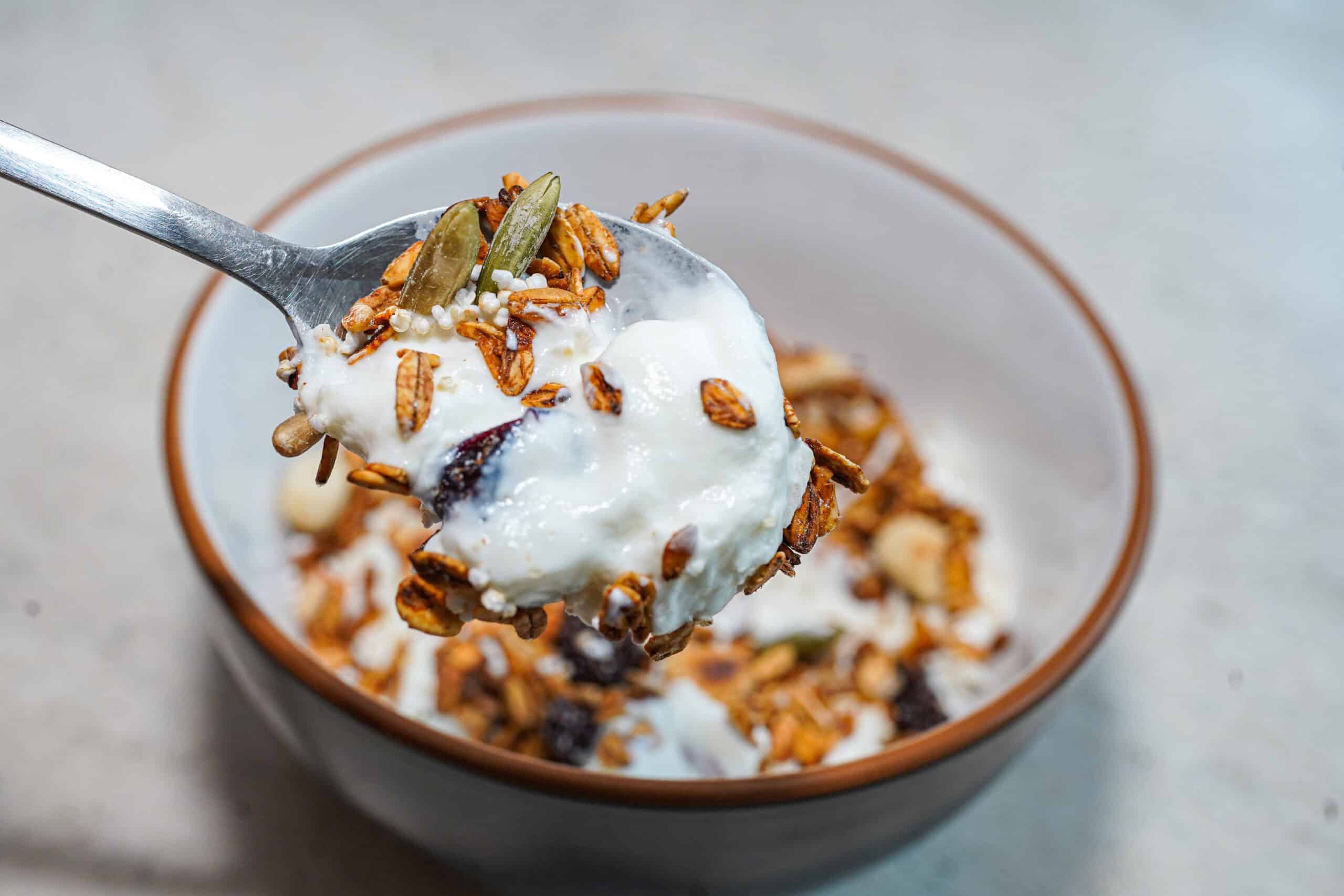
Narrowing it down to yogurts, you pretty much have one format: single-serve cups (4,5.3, 6, or 8oz).
Great, now that we have our product format, we’re ready to innovate. Right?
Not so fast.
Is it traditional yogurt or Greek-style? High protein? Low-fat or Low-sugar?
Greek Yogurt
When you go the Greek or high protein route, you’re delivering on the demand for “better-for-you” and functional food options. However, you’re also greatly limiting what you can, or should, do from a flavor innovation perspective.
For starters, you have the macros. On average, Greek yogurt has half the carbs and sugars, but twice the protein of regular yogurts. How will adding that flavor or inclusion affect those? Will this trending taste resonate with the audience’s goals and taste buds? Have we considered how it will impact, or even work with, the thick, creamy texture?
These answers really depend on the flavor selection and your specific audience. In general, with high protein, you want to avoid getting too cute with trending flavors.

Low-fat & Low Sugar Yogurt
Shifting to low-fat or low-sugar offerings, some might see this as a great way to lean into “permissible indulgence” trends. This could be an excellent option for certain brands looking to get creative with flavors and double-dip on trends.
However, developing for these product formats mix-in their own challenges.
Reduced-sugar products usually use low- or no-calorie sweeteners. Great for enhancing sweetness perception, not so great with their metallic off-notes or their thinner mouthfeel.
Most of these sweeteners will require some sort of masking, but how will that impact your flavor selection or inclusions?
Beyond the similar lack of mouthfeel you’ll find in low-fat alternatives, we have to talk about the price.
Low-fat and low-sugar options aren’t exactly new. While the offerings might’ve improved through the years, price elasticity really hasn’t. Where protein-packed products are positioned well to charge “premium” prices, these aren’t.
Despite inflation, brands are still pretty much locked in at $1.25 a cup. More than anything else, this can either inspire innovation or restrain creativity.
Trending Flavor Innovation & Cultured Dairy
Last but not least, yogurt is known for its cultured taste. To put it simply, not everything works with that signature tanginess.
This isn’t to say you can’t find success with unorthodox and creative trending flavors. However, the brightness of fruits or the smooth, creamy sweetness of vanilla dominate this product format because they work.
This is in no way an exhaustive list of the considerations needed for flavor innovation. And that’s just yogurt!
Let’s explore even further how product formats drive development, with a trip to the freezer section.
Product Format Development: Ice Cream
Occasions & Experiences
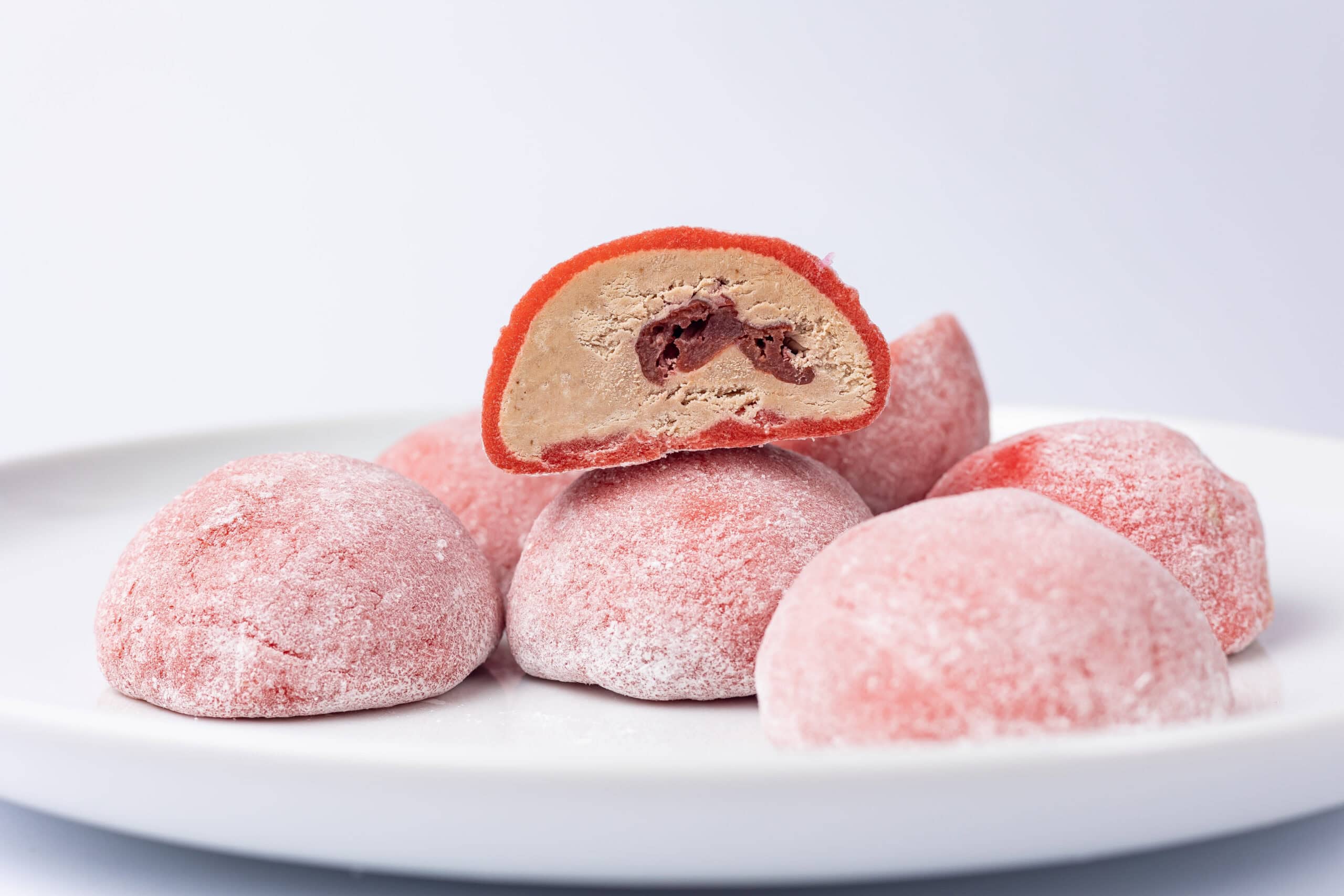
Whether it’s freezer fine dining or premium convenience, consumers are craving more opportunities for elevated eating experiences.
This might work well for certain products like frozen meals or on-the-go snacks, but even then, there can be issues. These may include freeze-thaw stability, texture integrity, and flavor impact.
Of course, “luxury” ingredient upgrades come with upgraded luxury price tags. More on that in a moment.
Consumers are searching for higher levels of sophistication and excitement in everyday situations,
But even as we add greater sophistication and excitement to everyday situations, occasions still matter. Especially when it comes to how you’re driving innovation
First, let’s look at how this applies to ice cream.
We’ve all seen creative flavor combinations popping up on social media feeds and at boutique scoop shops across the country.
Exciting and unique pairings like balsamic strawberry with black pepper, pear blue cheese, mango sticky rice, and many more.
To be honest, it’s easy to see why. More often than not, they’re delicious…as a scoop or a cone.
And while some make great pints, most consumers aren’t itching to put a gallon-sized tub of these flavors in their freezer.
There’s a reason why so many trending tastes originate in restaurants, and in this case, scoop shops.
People go there for the experience. They’re willing to try something unique, different, or even kinda weird. Suppose it’s a swing and a miss, oh well. At least they tried the latest viral flavor.
With that said, they’re also willing to pay close to the same price as a pint for a single scoop or two.
The same can’t be said for the family size.
Size, Shape, Cost, & Demographics
The size and shape of a product are one, if not the biggest (pun intended), way formats drive
development.
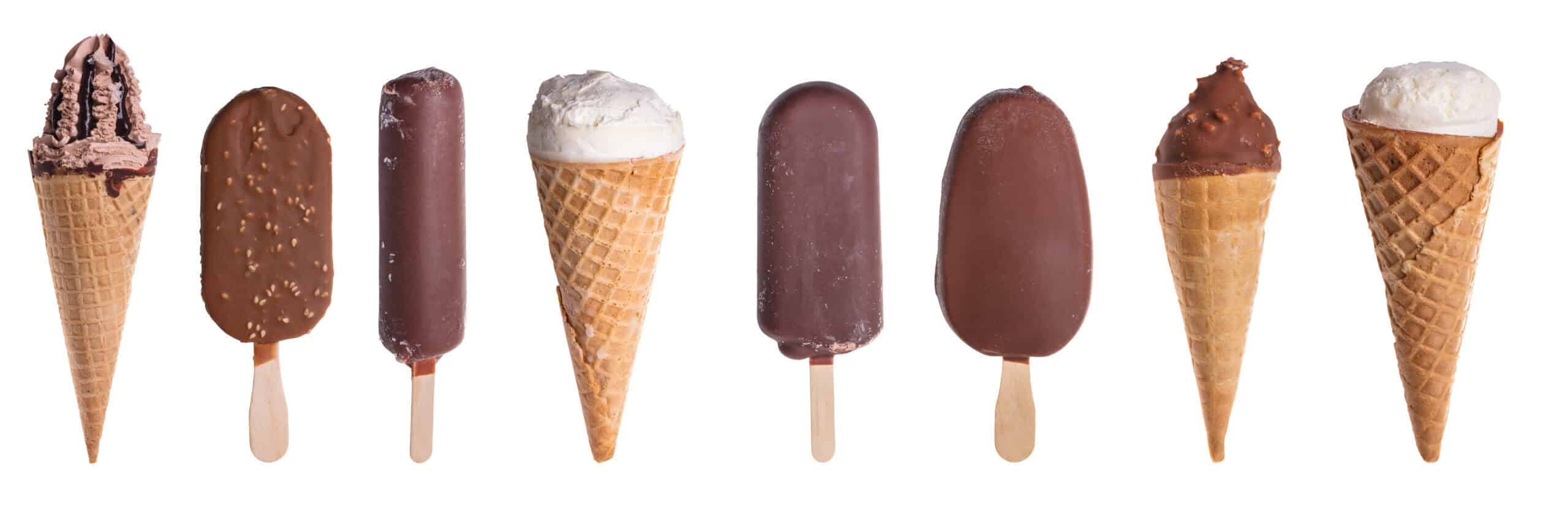
Ice Cream Bars
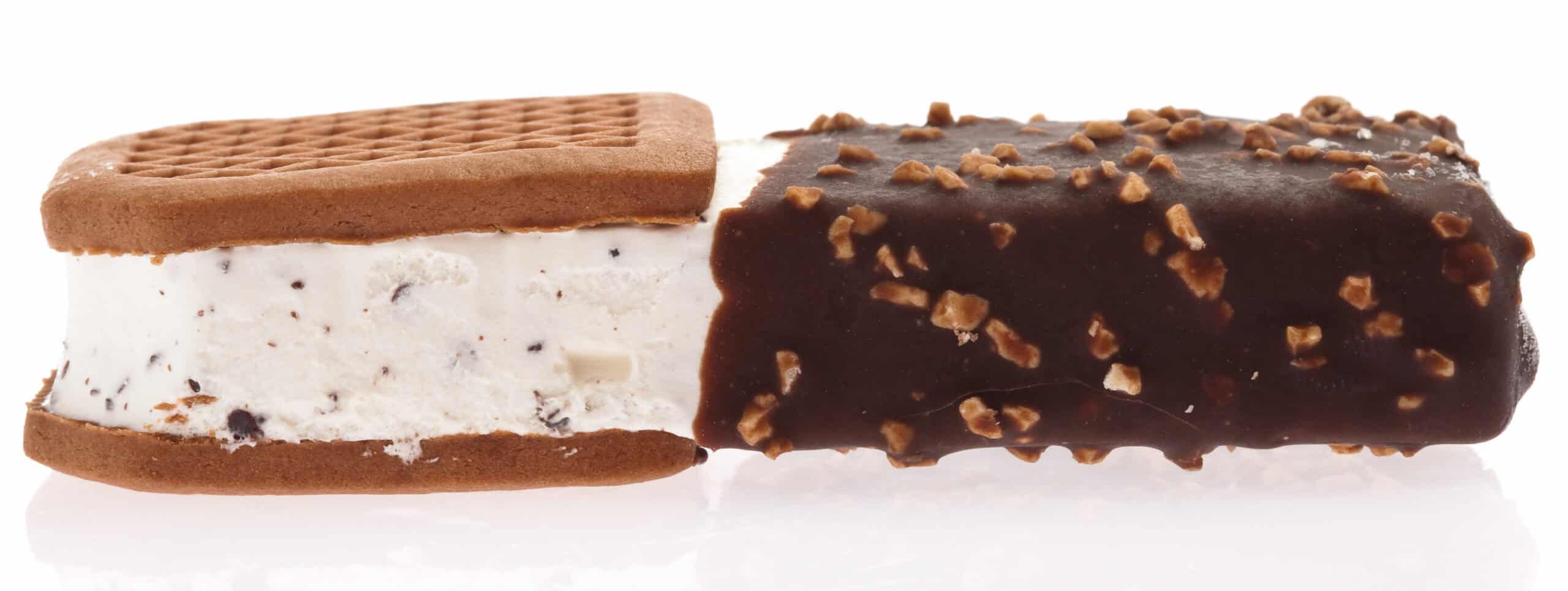
Ice cream bars are a perfect example of how size and shape constraints of different product formats drive development.
Compared to other ice cream formats, bars are harder to innovate because they can only hold so much.
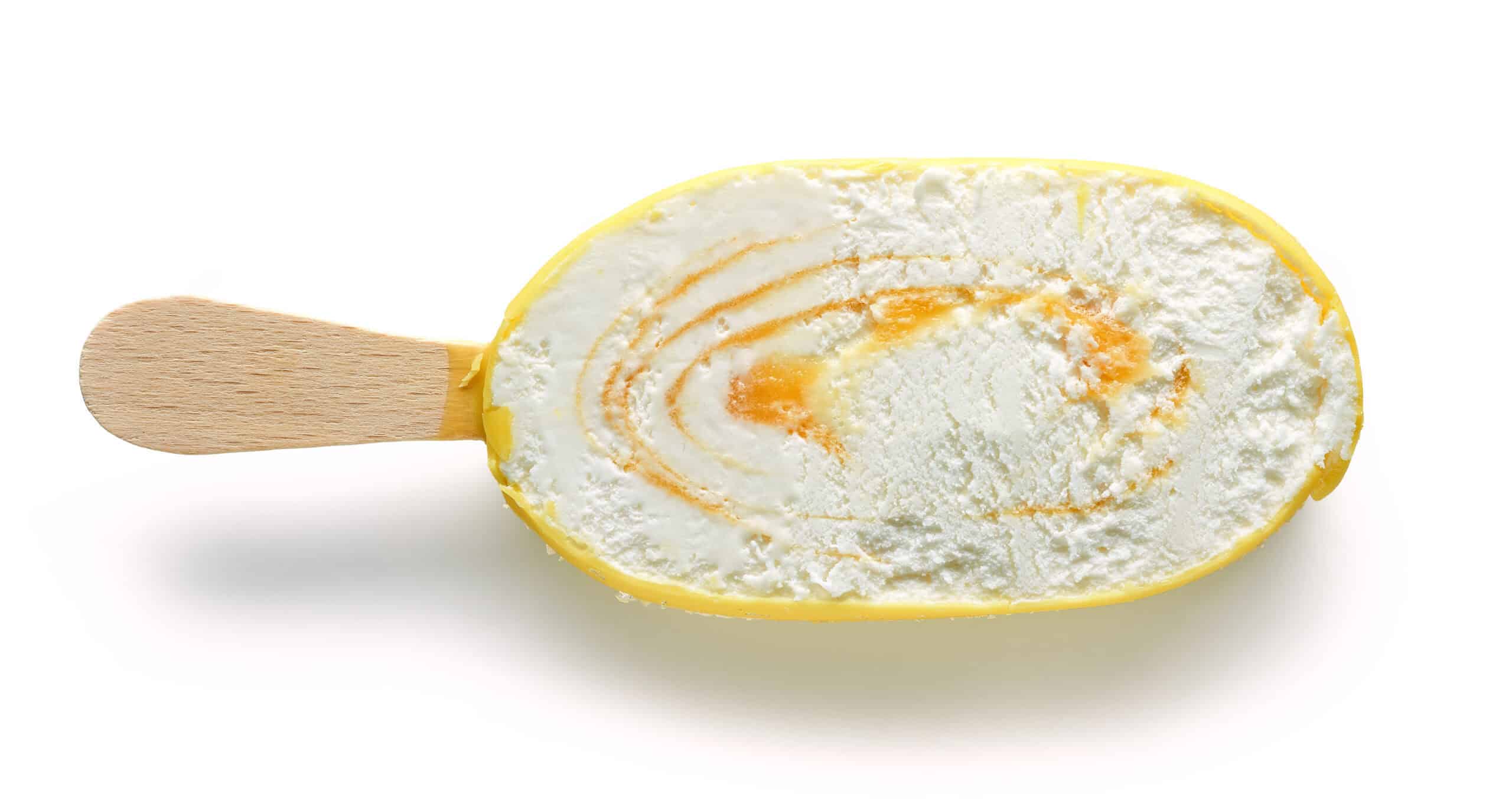
This is where creativity is necessary. Yes, you can still have inclusions, but you’ll be limited in what you can do. However, this is where coatings can be your best friend.
For years, we’ve seen everything from raspberry to butterscotch, and of course, chocolate coatings paired with different ice cream flavor selections. But they can do more than that.
Coatings can be the perfect vehicle for adding chocolate, candies, or crunches to bars. In recent years, we’ve been seeing this more and more with candy and cookie brand collaborations.
Still, as with other product formats, the key is not to overload them.
Pints, Quarts, & Gallons
More isn’t always better when you’re innovating to keep up with the latest trends.
As I mentioned before, someone might be excited to try a watermelon taffy or avocado cayenne, yet no matter how much they like it, they wouldn’t buy a 48-oz tub.
Yes, experience is part of it, but they also couldn’t find a gallon drum if they wanted to.
Why?
Part of it is flavor fatigue and practicality. Sure, these trendy flavors are great to try or have once in a while. But, very few of us are going to want more than a dozen servings before freezer burn sets in.
The same can be said for bakeries. A miso caramel apple fritter from a boutique bakery might be incredible, but buying a dozen from the supermarket?
This is why, as you work your way up in format size, flavor selection becomes less adventurous and more traditional. But it’s not the only reason.
There are practical production and cost analyses behind this as well, especially when it comes to inclusions.
Cost Considerations & Target Audience
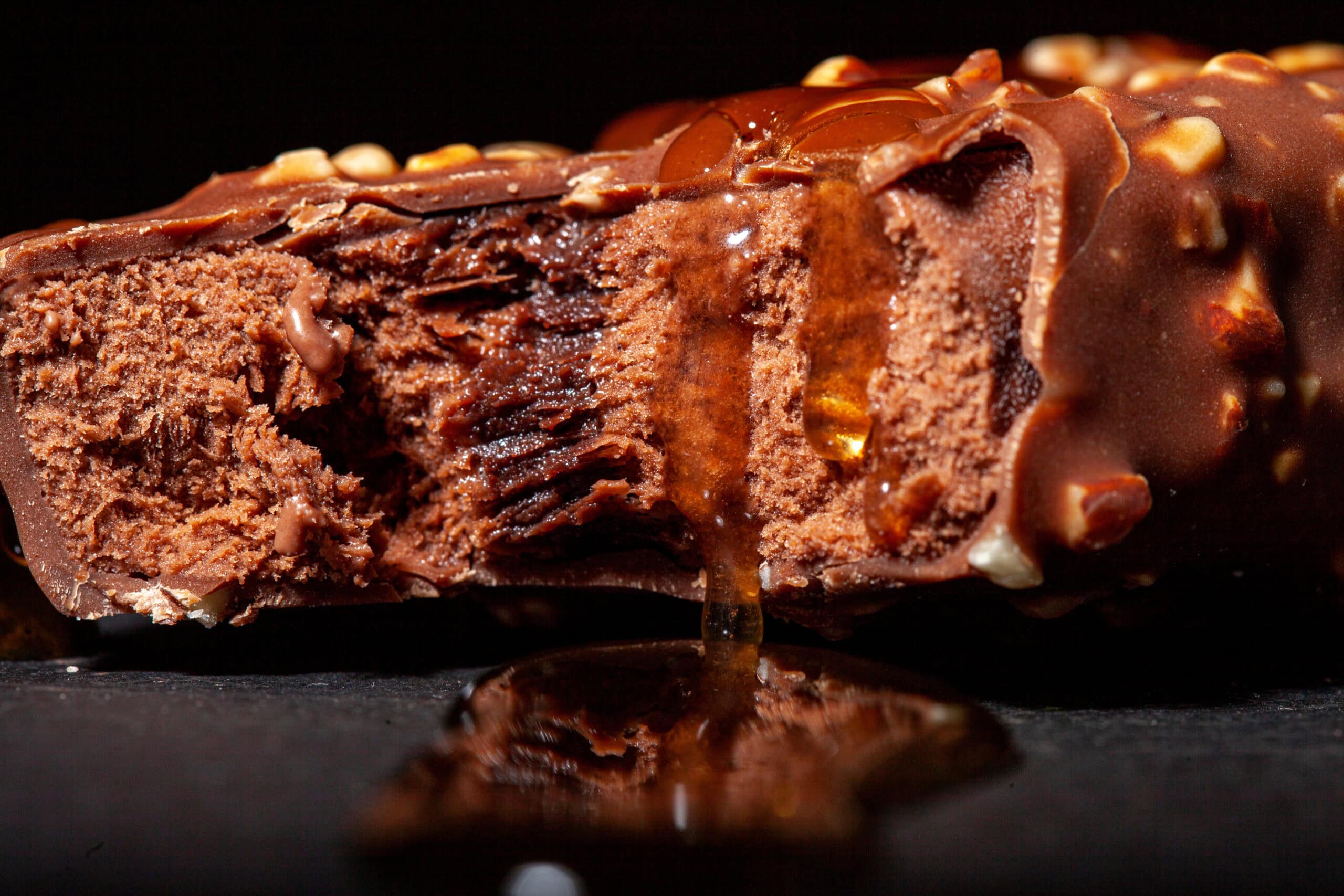
Whether it’s a classic caramel ribbon, traditional fruit chunks, or Dubai chocolate, the bigger the container, the more you need. And the more you have, the bigger the price tag.
Product formats drive development, because format choices drive production costs, which we all know impacts the sticker price. At the end of the day, how much a consumer is willing to pay determines your flavor innovation strategy.
You see, there’s a paradox when it comes to ice cream: the larger the size, the more people are looking for value. Something simple, sweet, and that makes the whole family happy.
The opposite can be said for pints. This format is looking to recreate the scoop shop experience or elevate indulgence with higher-quality ingredients and trend-setting tastes.
It’s important to note that despite this, for some younger generations, pints are becoming the new family size.
Between more adventurous palettes, demand for higher-quality ingredients, and smaller freezers, pints are now a go-to for many. Additionally, we’re seeing millennial parents letting everyone enjoy and explore their own flavors, opting out of the gallon tub altogether.
This increased interest may be why pints seem to be having all of the flavor innovation fun. At the very least, it illustrates why understanding your target audience is critical for choosing the right development format.
Product Formats Driving Development Success With Ever Fresh
After all this, it’s easy to see just how much of a role product formats play in guiding development, flavor selection, and innovation. But asking the right questions is only the first step.
Putting it all together, making it to production, and satisfying customers is a different story.
The key is having the right team. Strategic collaboration partners that not only help you ask the right questions, but can help you find the answers, and provide tailored solutions.
Great ideas fail when format decisions come too late.
Partner with experts who design flavor and formulation around your product format from day one!

Dirk Davis
Helping food and beverage brands turn bold ideas into real products. Focused on collaboration, practical solutions to complex formulation challenges, and translating trends into flavors consumers love. Passionate about customer success, innovation, and bringing a people-first approach to every partnership.