
Key Takeaways
- Ever Fresh emphasizes quality safety traceability by sourcing high-quality ingredients from trusted local farmers.
- Their stringent supplier approval process includes GFSI certification and rigorous packaging standards.
- Quality assurance encompasses detailed inspection, sensory analysis, and microbiological testing throughout production.
- Traceability is crucial; Ever Fresh can trace ingredients within 4 hours and achieves over 95% accuracy in their trace exercises.
- Collaboration with certified partners ensures consistent quality and safety, benefiting both the company and consumers.
For nearly sixty years, Ever Fresh has prided itself on offering only the highest-quality ingredients imaginable. Our commitment extends to quality, safety, and traceability in everything we do.
But for developers looking to meet the growing challenges of today’s marketplace, quality isn’t only about the sensory experience. It’s about the ability of partners and suppliers to deliver quality, sensory, safety, traceability, and, above all, reliability.
Celeste Montgomery, Quality System Manager at Ever Fresh, sits down to discuss how Ever Fresh’s detailed approach to quality, safety, and traceability offers the standards, consistency, and peace of mind developers need most.
What does quality mean?
Montgomery: Of course, quality means incredible taste, color, performance, and functionality. But even more importantly, quality is providing a product that offers all of those, creating an expectation, and then consistently delivering on that.
This starts with the ingredients but also encompasses all aspects, from development to delivery.
That’s why our team believes quality starts long before the product is produced and continues until the consumer can enjoy it.
How does Ever Fresh ensure a consistent level of quality from the start?
Montgomery: I think it starts with sourcing.
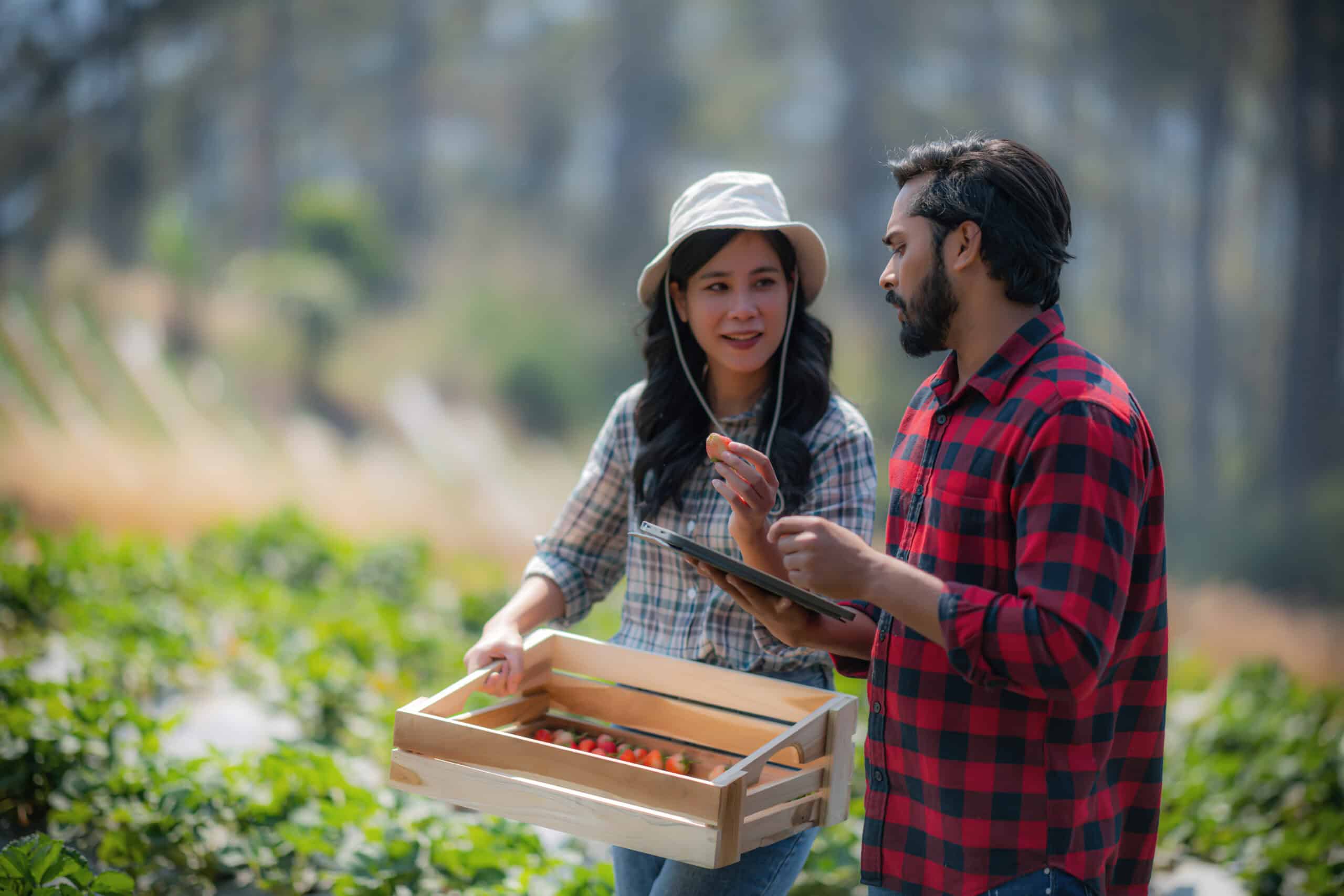
We talk a lot about our close and longstanding relationships with local Pacific Northwest farmers, and that has a lot to do with it.
After all, some of the world’s very best fruit comes from this region, and it’s these partnerships that have and continue to shape Ever Fresh’s reputation and who we are as a company.
But, again, that’s only the beginning of our process.
Ensuring quality across all of our suppliers requires strict standards and a rigorous approval process.
As part of this, we have quite a few prerequisite programs in place to make sure that we’re partnering with only suppliers that meet these standards.
In addition to a list of necessary documentation, we require that all of our suppliers be GFSI (Global Food Safety Initiative)- certified. This adds another level of confidence to the quality and safety of each of our suppliers.
These high standards also apply to our packaging suppliers. As I said, quality extends throughout the whole supply chain and life cycle of a product.
On top of documentation, such as letters of guarantee, certificates of insurance, etc., we evaluate their specs and materials. This allows us to ensure that even our packaging meets our standards for quality and freshness preservation and fits into our food safety plan.

What about quality on an individual ingredient basis?
Montgomery:
Beyond vetting suppliers, we also have an in-depth ingredient approval process for everything that enters our facilities.
This allows us to develop specifications more effectively and ensure we’re meeting all labeling requirements.
During our incoming inspection, our receiving team visually inspects each ingredient and quality verifies its certificate of analysis.
This C of A is required for each of our ingredients. It helps us verify that what we’re receiving matches the necessary specifications and testing requirements.
But this isn’t only about new products. We have random weekly inspections of ingredients in our inventory to continuously verify and maintain quality.
Quality assurance testing continues throughout the production and post-production processes.
We perform a sensory analysis every morning of the previous day’s production. This includes a tasting and physical verification of viscosity, Brix, pH, and color.
All products produced are sent to a third-party lab for microbiological testing. The lab tests for Aerobic Plate Count (APC), E. Coli, and Coliform, Salmonella, Listeria, Yeast, and Mold.
In addition to the physical and microbiological analysis that is performed on each batch of production, there is a verification of all documentation associated with each batch. This helps confirm that our processing is hitting all its critical control points for time and temperature and that the ingredients consumed were recorded and reported accurately for traceability and labeling purposes.
We have a positive release program, which means nothing gets released that doesn’t pass all of these tests and verification.

What other steps does Ever Fresh take to ensure safety?
Montgomery:
As you probably gathered from the previous question, there is a lot of overlap between quality and safety.
You can’t have one without the other.
Looking at safety in particular, it’s really about the processes and procedures we have in place.
Having good manufacturing practices in place is the foundation of safe production.
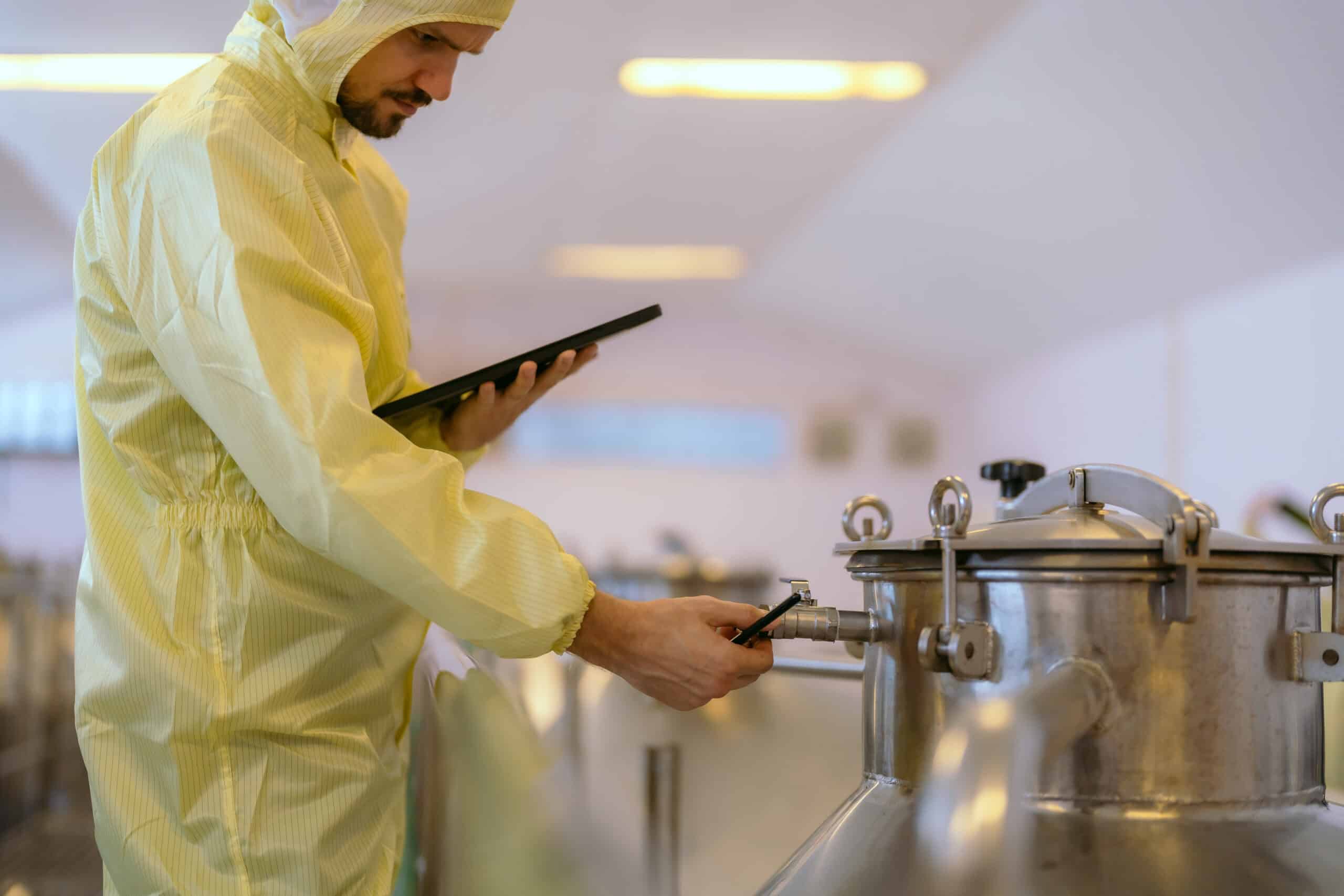
Things like basic personal hygiene and always wearing protective equipment to prevent contamination.
Preventive maintenance also feeds into this. Our quality assurance team checks that our equipment is clean and in proper working order at all times.
However, this is about more than operational efficiency. It’s also a crucial part of our food safety and HACCP (Hazard Analysis and Critical Control Points) plans.
Reducing the risk of biological hazards requires certain cook times and temperatures, also known as “critical control points”. This reduction is critical for food safety. We rely on the equipment functioning properly to ensure we can efficiently and effectively meet these critical control points.
This is important because there is a high likelihood that our thermal processing is the only “kill step” the ingredient will undergo. In essence, our customer is trusting that what we are providing them is safe.
Still, there is potential contamination not only from biological hazards but also from physical and chemical hazards.
Our processes have to be set up to account for and mitigate all of these.
What are the biggest safety issues developers face?
Montgomery:
Two of the biggest concerns for developers are allergens and contamination.
Starting with allergens, we get a ton of questions from customers asking about allergen validation. They want to make sure that we’re not potentially cross-contaminating ingredients.
So, when dealing with allergens, it’s critical to provide safe food, and one of the best ways to do that is through proper storage protocols.
This ranges from separating potential allergen-containing ingredients from other raw materials and instituting special handling practices to make sure that we’re not potentially cross-contaminating the product.
We also batch our allergens at the end of the day to prevent contamination. If, for some reason, this happens out of order, we mandate a thorough cleaning of all production equipment and areas, followed by monitoring and verification before returning to conventional production.
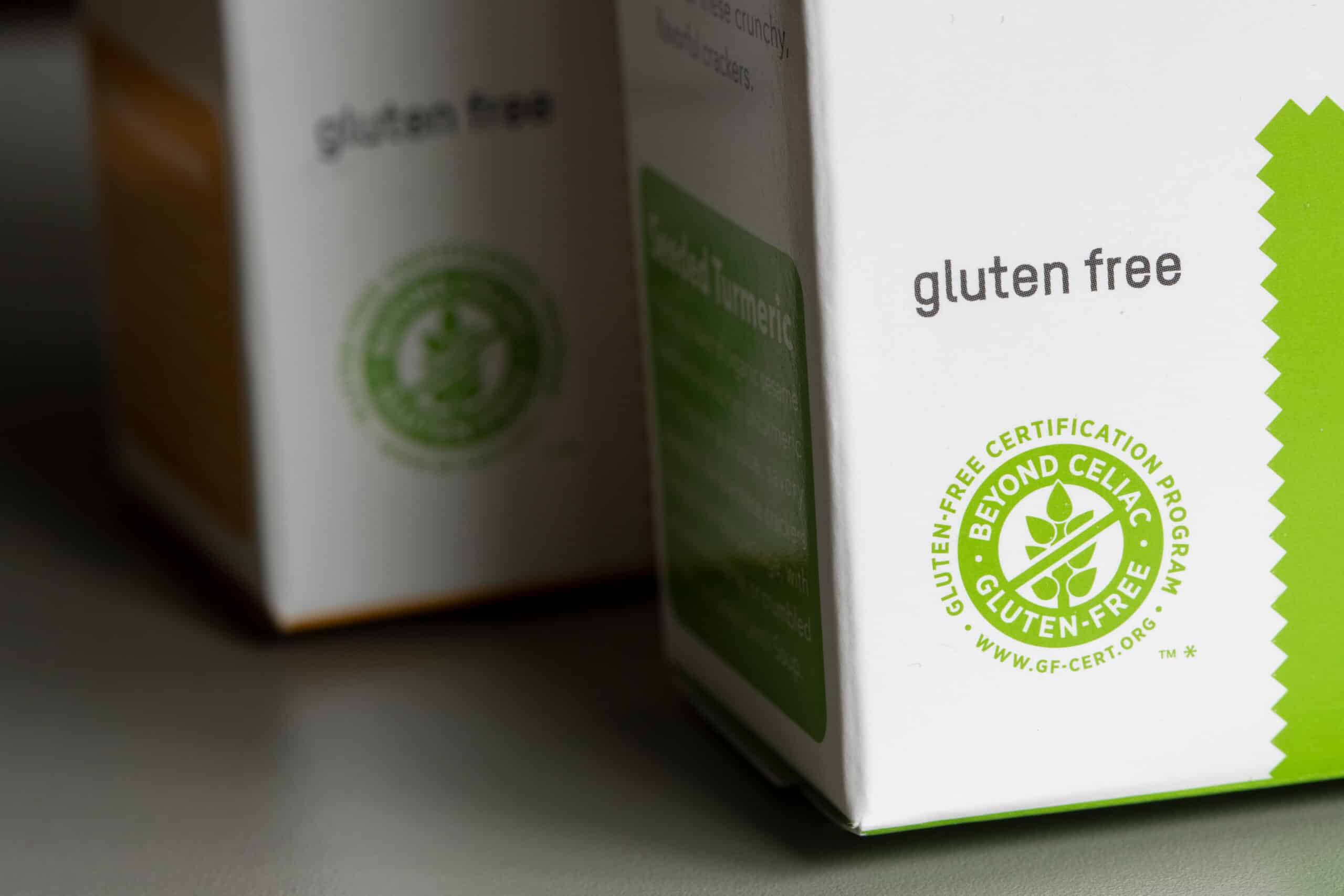
Proper labeling is crucial. Especially since even if the FDA hasn’t identified an ingredient as an allergen, someone might still be allergic to it.
Contamination from potential allergens isn’t the only concern.
As I mentioned in an earlier answer, biological hazards like pathogens, yeast, and mold, as well as other potential contaminants, are a major concern for developers.
This is where the combination of all our testing, good manufacturing practices, and third-party verifications makes a difference in preventing such issues.
What checks are in place to verify quality and safety standards are met?
Montgomery:
There are several certifying bodies that conduct audits and inspections to ensure we meet the highest standards.
One of these, of course, is the FDA, which provides guidance, standards, and performs unannounced audits.
Like I talked about before, when working with suppliers, we require them to be GFSI certified. We also ask to see their company’s HACCP plan and how they meet other international standards, like SQF.
We have no problem requiring these from our partners, because we also require them for ourselves.
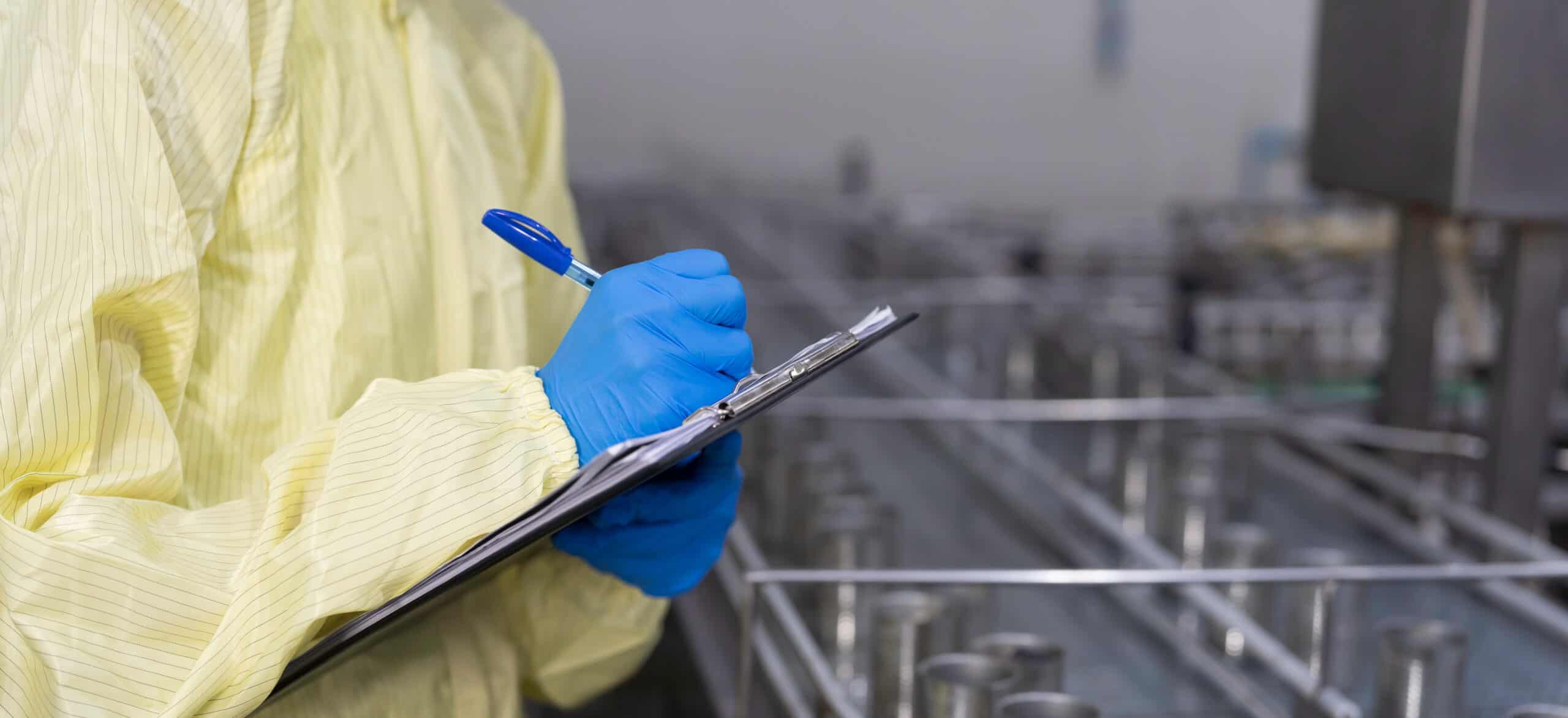
These standards serve as the basis for our own internal audits, both daily GMP inspections and larger-scale annual audits.
Each morning and evening, our QA techs walk the production floor to ensure that everyone is following GMPs and meeting all of those requirements.
We’re also conducting weekly GMP reviews of our warehouse and storage areas.
Yearly audits go much more in-depth, covering quality, safety, and traceability.

What is traceability, and why is it important?
Montgomery:
Traceability is simply one’s ability to trace an ingredient from the original source to the end consumer.
In other words, we should be able to trace ingredients and finished products through the whole supply chain from the original source to the store shelf.
This has always been important, but now there is much more awareness around it. Part of it has to do with failures in the system, and some is related to changing consumer and industry expectations.
How well and how quickly you can trace has just gotten more stringent and demanding.
Meeting these requirements has definitely gotten more costly for everyone involved.
But it’s nowhere near as expensive as what a recall could cost a company, and that’s not only in product or labor hours.
There’s product loss, business loss, and then there’s the reputational damage to a brand, which is probably not even quantifiable.
How does Ever Fresh help with traceability?
Montgomery:
Our policy states that we have to be able to trace within 4 hours, which is in line with the SQF and customer requirements.
Additionally, our food safety objectives require not only that we do it within four hours, but also that we achieve greater than 95% accuracy and recovery.
That’s why we conduct a quarterly traceability exercise on packaged goods, raw materials, and allergens. Our quarterly traceability exercises rotate and a minimum of one traceability exercise per category per year. We achieved an average recovery rate of 98% or greater in 1.5 hours or less.
We also conduct a yearly full mock recall, which is required by SQF’s certifying body.
This is part of the reason we have such high requirements for our partners.
If they have similar internal expectations, premium quality, reliable safety, and pinpoint traceability become standards that benefit everyone. Especially the consumer.
It’s why, at Ever Fresh, we take pride not only in our processes, policies, and procedures, but in our products and our people. We approach these things with integrity, not because they’re required but because it’s the right thing to do for our customers and their consumers.
Looking for an ingredient partner that takes quality as seriously as you do?
Our team is ready to show you what six decades of safety, consistency, and traceability can do for your next product.
Let’s Talk!
Celeste Montgomery
Celeste oversees food safety and quality programs across the company’s fresh-cut fruit operations. She holds an MBA from Southern Utah University and brings more than a decade of quality management experience, with certifications in HACCP, Preventive Controls (PCQI), and ASQ Six Sigma Green Belt.