
In the first two installments of our Roadmap to the Trends that Matter for Food Developers series, we took a detailed look at the ice cream and bakery trends. These trends will be driving developments for the rest of this decade, and maybe even into the next one.
In this third and final part of the series, Part 3: Cultured Dairy, we shift our focus. We examine how recent trends are breathing new life into a classic category.

Similar Directions, Different Approaches
We all know there are a few macro trends setting the course for the entire food and beverage industry. How they take shape in formulations, however, can look very different between categories.
For example, while both ice cream and bakery show demand for international flavors, they embrace this trend in different ways.
The same goes for cultured dairy, and maybe even more so.
Thanks to social media and viral recipes, cultured dairy is experiencing something of a revival.
Yet, although popularity is booming and sales are surging, innovation might not be as obvious as in other categories.
This becomes even more apparent when we look at our first trend.

Cultured Dairy Trends: Leaning into the Health Halo
As policies shift, and what is considered “healthy” continues to evolve, one thing is clear:
Dairy is back!
While consumers reframe how butter, whole milk, and cheese fit into a healthy diet, cultured dairy is already well established.
For years, yogurt has maintained a health halo, making it an outlier among more “indulgent” dairy products.
Now that perceptions of dairy are changing, these benefits matter even more.

Natural Benefits
Moving beyond energy bars, protein is everywhere.
Ice cream, chips, breads, and even sodas and coffee are now touting protein claims.
Still, the internet has made it known that cultured dairy is one of the original protein superfoods.
The rapid rise of Greek yogurt in the last decade and a half is a perfect illustration of this swing.

Greek Yogurt
As of 2022, Greek yogurt accounted for over half (51%) of the US yogurt market. That’s a figure it’s safe to assume will only continue to rise.
Naturally creamy and indulgent, and already relatively high in protein, Greek yogurt remains the perfect canvas for better-for-you.
Whether it’s lower fat, sugar-free, even more added protein, or all of the above, health-focused innovations aren’t slowing down.
Following the protein path is everyone’s newest (and unlikely) obsession: cottage cheese.
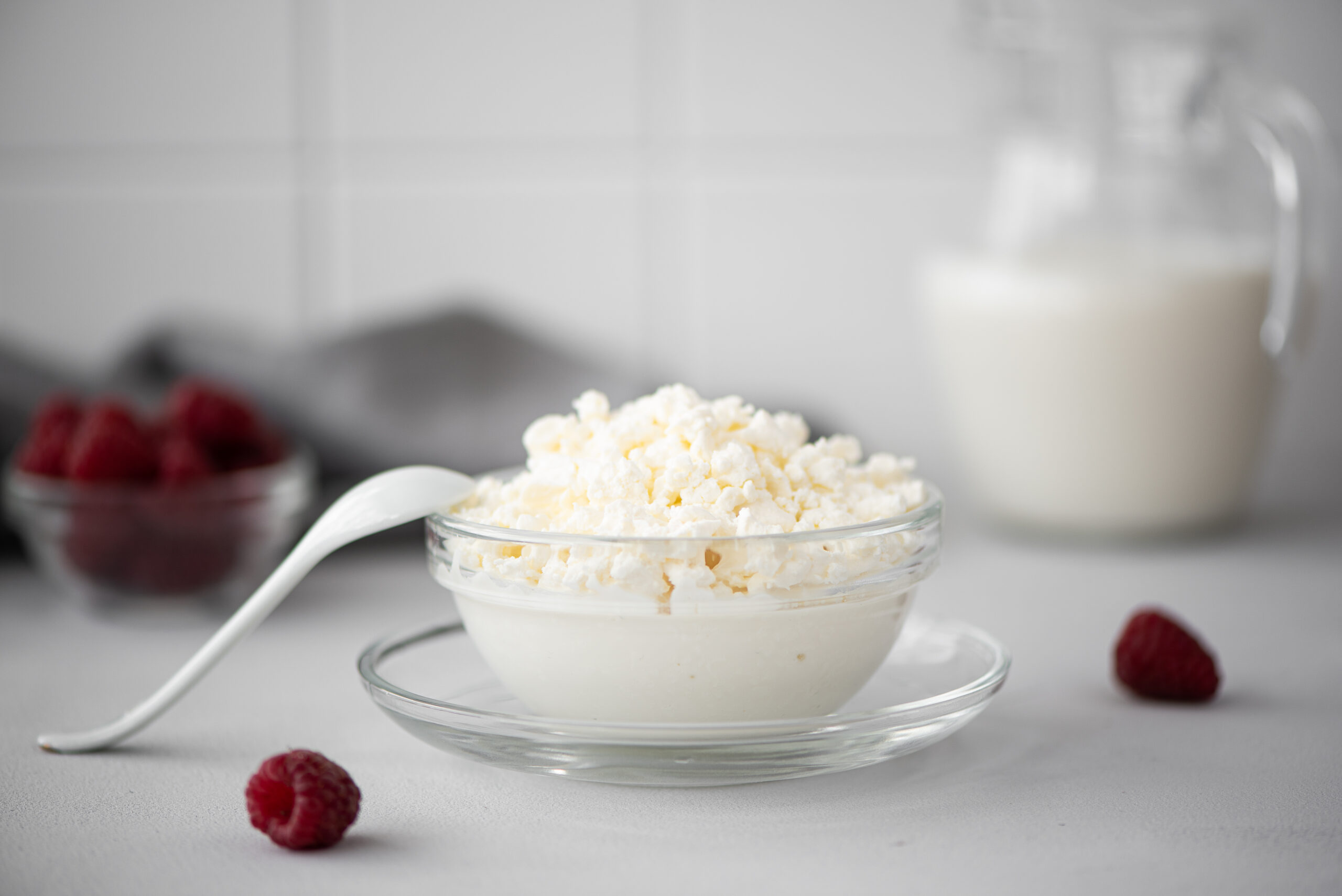
Cottage cheese
“Cottage cheese isn’t just making a comeback. It’s captured the imagination of a whole new generation,” says Dirk Davis, Ever Fresh Fruit’s Director of Customer Account Management.
“Why? Protein! But it’s not just another good source of protein. It’s seeing this nice growth as well as a healthy, better-for-you product. It’s able to deliver all the calcium and many of the other things this next generation is looking for.”
Falling somewhere between these two is Icelandic skyr.
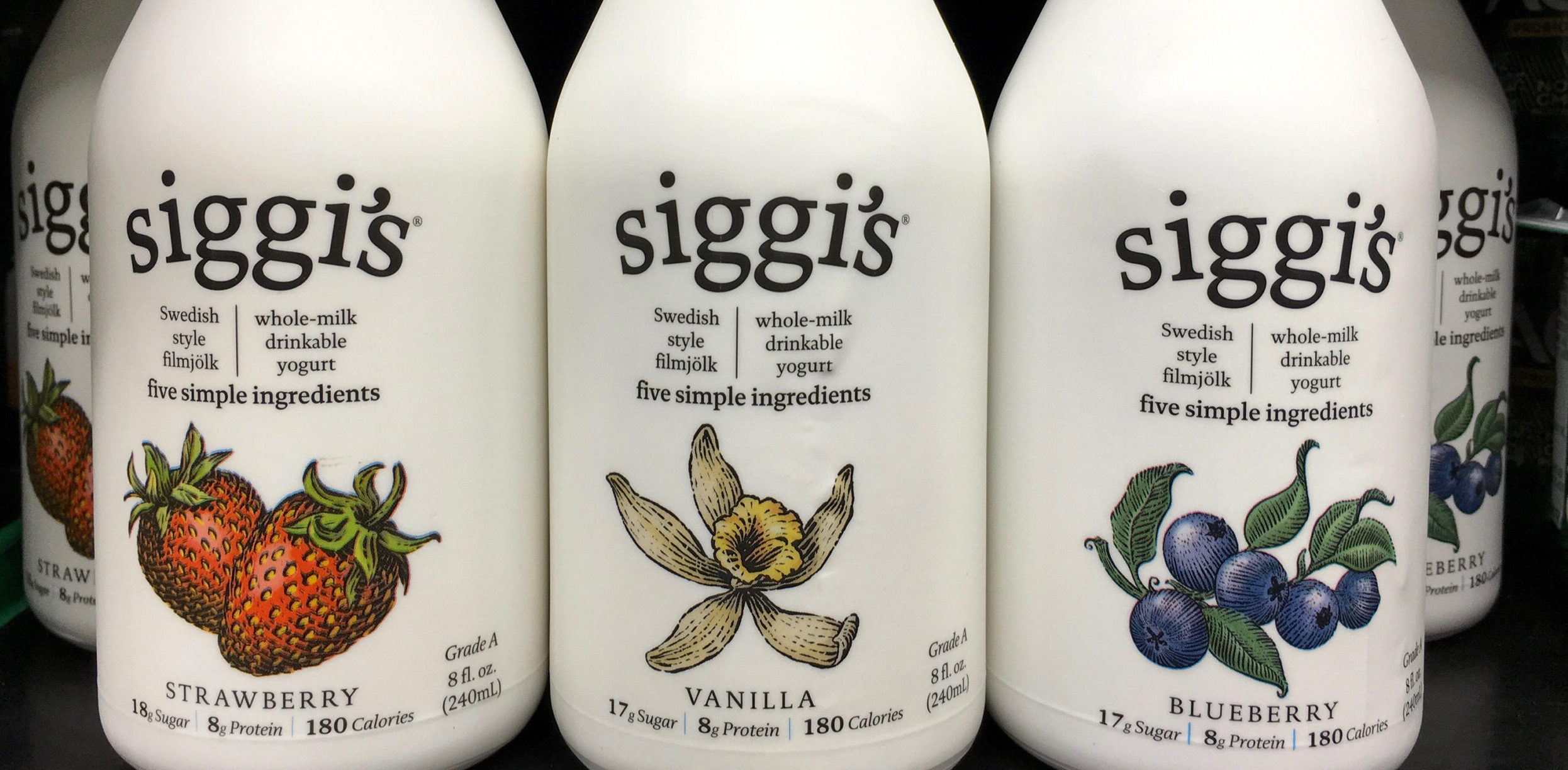
While still relatively new in the North American market, brands like Siggis and Icelandic Provisions are rapidly gaining retail penetration. This is thanks to skyr offering a higher-protein, often lower-sugar alternative to Greek yogurt.
Still, protein isn’t the only natural benefit callout propelling cultured dairy forward.

Good for Gut Health
“Everyone is talking about high protein. But more and more they’re realizing how important the gut microbiome is to overall health. And this is something that cultured dairy inherently can deliver on.” explains Greg Younger, Senior Category Manager at Ever Fresh Fruit.
This has helped propel other cultured dairy products like kefir into the mainstream.
“In addition to gut health support, kefir benefits from strong regional and local brands,” explains Davis. “People trust the dairy that’s in their region, and so they are more likely to trust those brands. That’s why manufacturers highlight that their kefir comes from responsibly sourced and organically farmed organizations that care about the environment. In other words, a product that is as good for you as it is for the environment.”
The natural probiotic advantage of yogurt and other cultured dairy products is nothing new.
However, these inherent benefits provide a strategic advantage as functional foods gain a foothold in the market.

Adding Function
As Younger sees it, cultured dairy products are primed to play a major role in the ongoing functional movement.
“The main thing with cultured dairy is that you aren’t starting from zero. You already have protein, active cultures, and probiotics. This allows you to more easily look at adding other functional benefits and ingredients. The first thing that comes to mind is fiber and prebiotics.”
He adds that where many products may struggle to add fiber and prebiotics, fruit can make the difference.
“The classic pairing of fruit with yogurt could be a great way to incorporate fiber naturally. It could also help buffer the negative taste and texture attributes that come with fortification.”
But Younger thinks cultured dairy’s functional potential can go way beyond gut health.
You’re already building on a strong foundation. If you can add energy and immunity boosters, sleep support, or collagen for skin and joint health, the sky is the limit.
Still, Davis stresses that while a focus on health is propelling the category forward, it comes at a cost.

Cost Consciousness
“We often see surveys that say ‘consumers are willing to pay more for healthier or cleaner products’. But one has to stop and really think, who is it that actually has the ability to pay more?”
Davis notes, “This also isn’t a generational thing. Each age bracket has different reasons why they may or may not be able to spend more for healthier products. Regardless, there is still such a big part of the country that is still only going to spend $0.79 to $0.99 cents for a cup of yogurt. They are tied to a budget, but they still want and deserve something good and healthy.”
While he has seen some companies shifting their entire portfolios to whole milk, this could be cost-prohibitive for others.
“This is where your traditional, lower-fat options can still fill a need for a very significant demographic of consumers. Their market share may be decreasing, but with their price point they’ll continue to be a category staple,” observes Davis.
But choosing whether to go Greek isn’t the only cost consideration. Shifting away from artificial colors and flavors is putting even more pressure on how most brands approach flavor innovation.
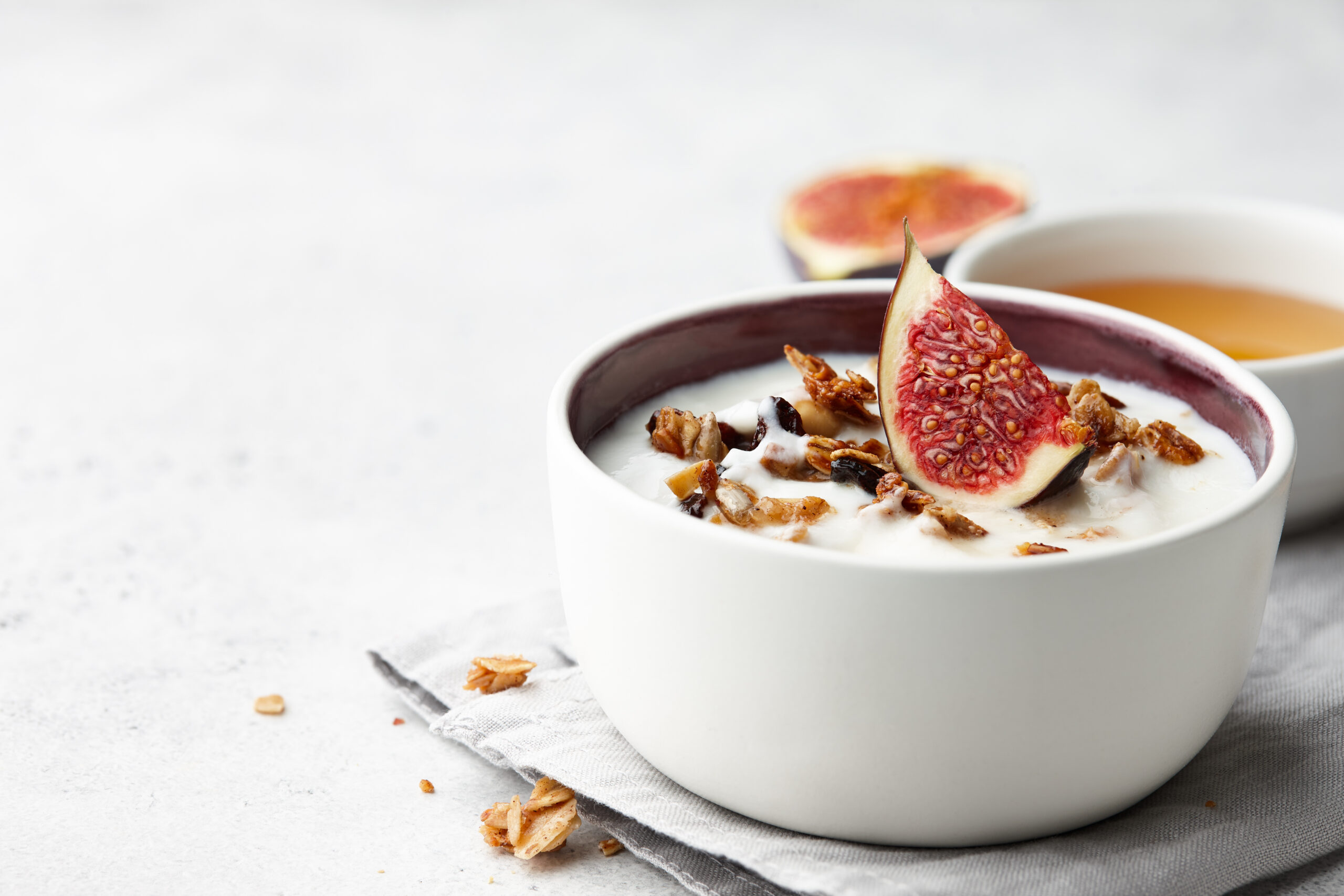
Cultured Dairy Trends: Flavor Innovation
“Going to cleaner, more natural ingredients for flavor is probably the right move as a formulator,” says Davis.
“However, natural flavors and extracts can cost more. So when you have a fixed price, there is only so much you can do in terms of flavor innovation.”
“Then again, the more you can get for your product. You have more room to experiment,” he adds.
Despite this reality, Younger points out something very important to remember: “It doesn’t matter who your target demographic is. When we’re talking about cultured dairy, fruit is still king.”
Or as Davis puts it, red, white, and blue is always true.
“We’re seeing a lot of exciting flavors trending in cultured dairy right now. But to the outsider they may not seem like much. That’s because your classics raspberry, strawberry, vanilla, and blueberry [the red white and blue], are always going to be the anchors, for almost all yogurt lines.”
Though not innovative on its face, Davis sees these becoming a launch pad for innovation through premiumization.
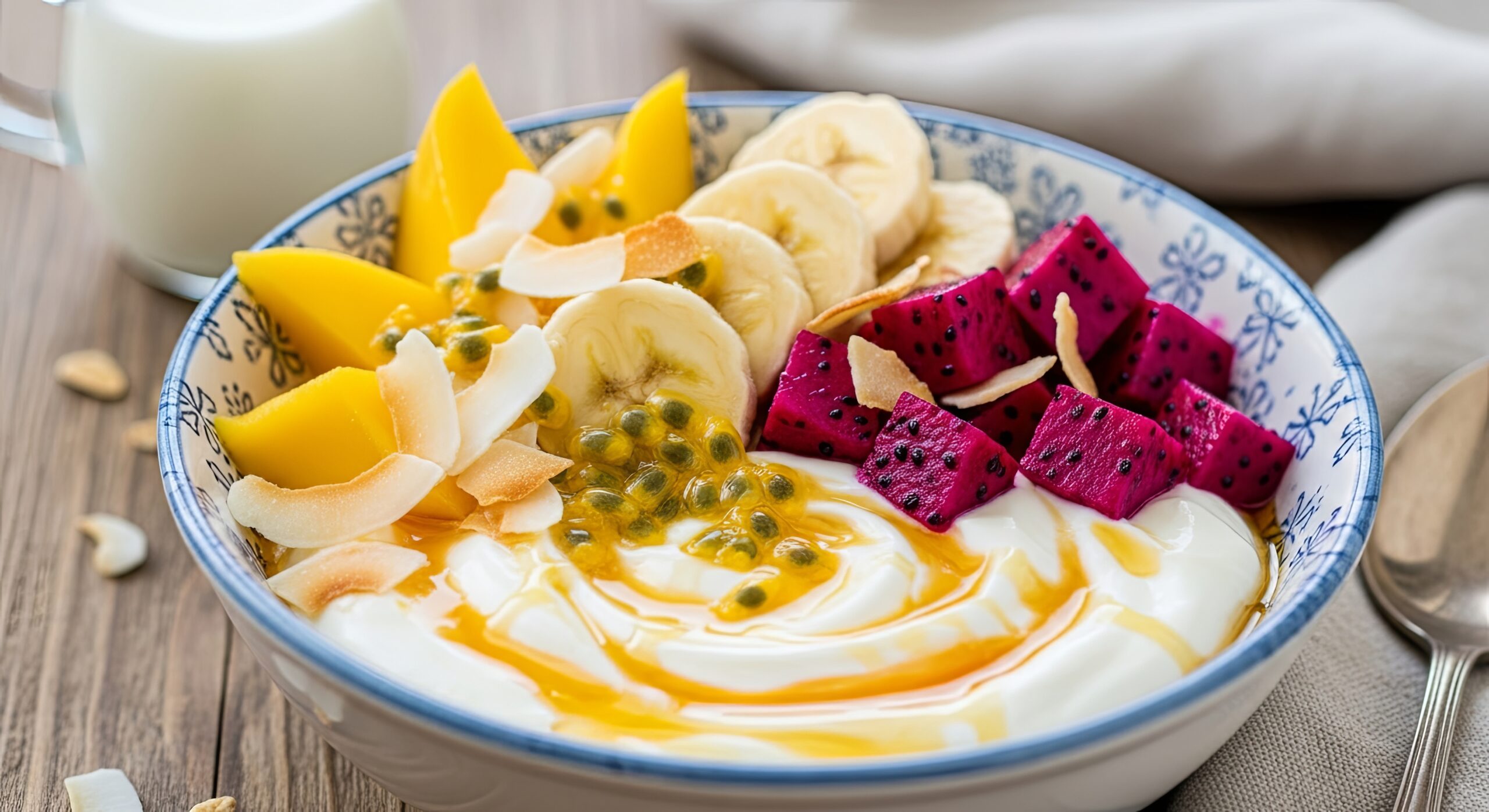
Premium Twists
“Where we’re really seeing innovation is brands taking the classics and finding ways to differentiate from there. Instead of just strawberry, they may try something nostalgic and artisan like strawberry rhubarb. Vanilla might become Tahitian vanilla, and blueberry is elevated to forest berries or blueberry pomegranate.”
Younger sees this elevation as a way for cultured dairy to capitalize on trends like internationally inspired and unexpected flavors.
“Tropical fruits like mango or passion fruit are starting get more requests. Elevated ingredients like honey fig, and pistachio add a taste that’s familiar yet adventurous for a yogurt. Also, don’t be surprised if we start seeing swicy offerings. Things like hot honey or spicy mango could be hitting more shelves in the near future.”
While many of these products still try to stay within the boundaries of “healthy”, other companies are fully embracing indulgence.
“So many brands are focusing on low or no-added [refined] sugar. But then you have other brands like Noosa that aren’t afraid to double down on indulgence.This really shows with the fun, unique, and interesting flavors they’ve come up with,” says Davis.
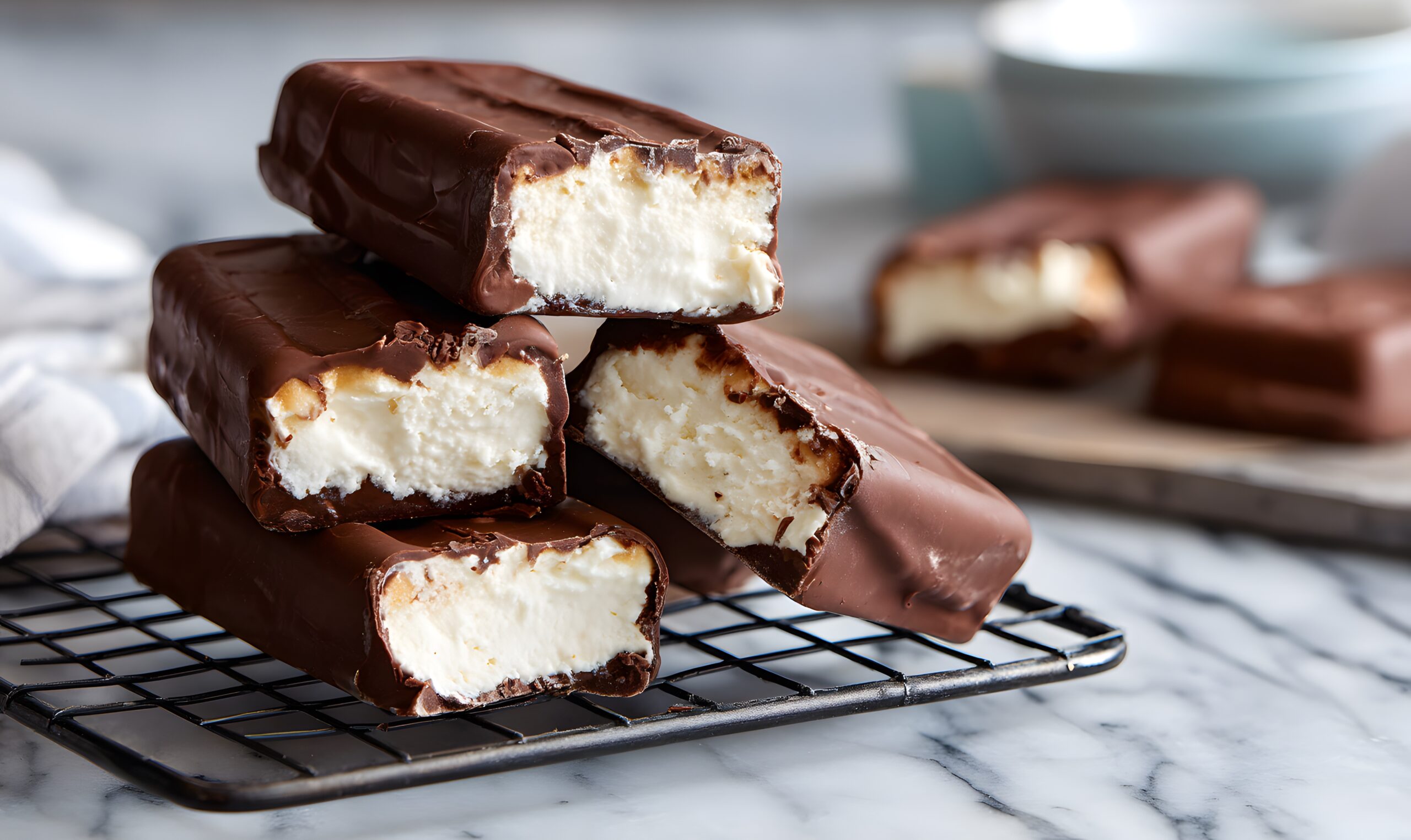
Cultured Dairy Trends: Fun with Formats
We often lump cottage cheese and Greek yogurt together for their viral success. But this doesn’t do the cottage cheese glow-up justice.
Between June 2024 and 2025, US retail cottage cheese sales grew 20%. This is on top of around 17% annual growth over the previous two years, and an 11% increase in 2022.
For context, in 2021, cottage cheese sales had dropped from the year prior.
Looking to shake things up, developers are exploring ways to incorporate fruit or even spicy cottage cheese into retail.
“Some brands have already started experimenting with adding fruit to cottage cheese. I wouldn’t be surprised to start seeing peaches, pineapples, berries, and other flavors like this, things like that,” says Davis.
Still, much of cottage cheese’s newfound celebrity comes from its use as an ingredient, not as a standalone offering.
Fortunately, this highlights an opportunity the developers are exploring with cottage cheese, yogurt, cream cheese, and even sour cream: dips.

Dips & Spreads
“Dips and spreads are areas where developers can really go wild with trends like global flavors and nostalgia,” says Younger.
Davis agrees, saying, “It allows brands to play around and get creative. Were talking everything from sweet basics like fruit to complex nostalgic and international flavors like carrot cake or cannoli. On the savory end you have classics like spinach artichoke, French onion, ranch, or a viral dill pickle. CPGs like Kraft and Tillamook have been finding success with this for years. But it’s also a place where brands can really take a chance on innovative savory profiles.”
Younger notes that dips and spreads, particularly savory ones, are where plant-based cultured dairy can shine.
“Dairy has been making a huge comeback, and I think that has outshined the potential of cultured plant-based. Sure, plant-based has taken a hit overall. However, dips, spreads, and even yogurts have still continued to find their niche in the market.”
Sweet offers tend to do best when they piggyback on the success of plant-based milks. Think almond, cashew, oat, and coconut. Going savory can be a game-changer for earthier or more bitter bases derived from pea, mushroom, or similar ingredients.
New Shapes & Sizes
The expansion of dips and spreads underscores that it’s not just about exploring flavors but also formats.
Convenience and on-the-go offerings have been a staple of yogurt cups for years. Now, that continues, with the growing popularity of drinkables.
High in protein, good for your gut, and no spoon required. With this winning formula, it wouldn’t be surprising to see more shelf-stable squeezable types make their way to store shelves. Riding the nostalgia wave, they can shift from children’s products to an all-ages solution for convenient on-the-go nutrition.
Noosa continues to take indulgence to new levels with snackable sweet treats like their chocolate-covered cheesecake bites.
Philadelphia is also helping people experience indulgence without breaking a sweat in the kitchen. Their no-bake cheesecake filling and cream cheese frostings offer a different kind of convenience. All the joy, without the dishes.
Turn Trends Into Products
Whether it’s new formats, premium fruit inclusions, or enhanced health benefits, these cultured dairy trends are shaping development today. And well beyond tomorrow.
Our goal with this series wasn’t just to offer a Roadmap to the Trends that Matter for Developers. It’s also a way to help put you in the driver’s seat for your next development.