
Key Takeaways
- Ice cream trends reveal a focus on nostalgia, international flavors, and the blending of categories for innovation.
- Developers must consider texture as a differentiator, combining various textures to enhance the consumer experience.
- Health-conscious consumers demand cleaner labels and functional ingredients, such as probiotics and higher protein content in ice cream.
- Overall, there’s a significant opportunity for brands to rethink and develop products that cater to evolving consumer tastes in ice cream trends.
- Innovative formats, such as novel ice cream presentations and botanical flavors, are gaining popularity in the market.
Lists of 2026 ice cream trends are important. But they’re probably less valuable for developers than you might think.
Their primary purpose isn’t to tell you what’s next; it’s actually to tell you what they already know will be filling store shelves in 2026. So, what’s often labeled “the next big thing” is usually code for “we’ve already got inventory, so place your orders for these products now.”
Sure, development timelines and pipelines move faster than ever, but even so, most brands are looking at a 12-, 18-, or even 24-month time horizon before their product is commercially viable.
That’s not to say what’s trending today doesn’t matter, but what developers really need to know is “where will this trend be a year from now?” or “will this still even be a thing by the time I get there , and if not what will be?”
The challenge is to plan ahead while still capitalizing on the evolutions we’re seeing in the market.
That’s why we’ve created this four-part series (Part 1: Ice Cream, Part 2: Bakery, Part 3: Cultured Dairy, and Part 4: Food Service Beverages ) as a roadmap to the trends that will still matter to companies when their products are ready to hit the market.
But before we dive in, it’s important to take note of a few things to consider when formulating these trends.
Choose Your Own Trend-venture
Looking at the 2026 food and beverage trends, many will probably look familiar. At this point, they may even look like rewrites of previous reports.
That’s because many industry-disrupting trends from recent years have already cemented themselves as overarching macro-trends or distinct categories.
In many cases, products driven by these trends are moving from LTOs to permanent line extensions or even core offerings.
However, this doesn’t mean they won’t remain relevant or ripe for innovation.
It does, however, mean that developers need to rethink their approach to formulating within the parameters of these long-term trends.
The reality is, none of these food and beverage trends exists in isolation. Mixing and matching, blurring the lines between categories, might actually be one of the greatest opportunities for innovation in decades.
The possibilities across these trends might literally be endless.
Let’s take a look at how ice cream and dairy make the perfect muse for bringing these trends to life.
#1 Flavor and Indulgence Innovation (Nostalgia & International Flavors) Ice cream trends
From the simple pleasures of a sweet treat to diving into decadent desserts, ice cream trends continues to define indulgent innovation.
Among the trends with the biggest impact, nostalgia is a clear frontrunner.
Part of the power of nostalgia is its cross-generational appeal.
Yet, Dirk Davis, Ever Fresh Fruit’s Director of Customer Account Management, notes that nostalgic products still need to be targeted to maximize success. “The great thing about ice cream is that every generation loves it, but that doesn’t mean the same nostalgia is going to hit with everyone. Do you know exactly who you are targeting? Boomers are still a huge market, and retro or soda fountain flavors like root beer float or ice cream truck favorites like creamsicles, country fair classics like funnel-cake or strawberry rhubarb pie are going to do great. But no matter how great they taste, they need to have the same emotional attachment once you get down to 40, 30, or 20-year-olds to have that nostalgic pull.”
This is a major reason why, in addition to nostalgic flavor concepts, childhood favorites from other generations are being reborn as indulgent ice cream offerings.
Familiar Formats for Innovation
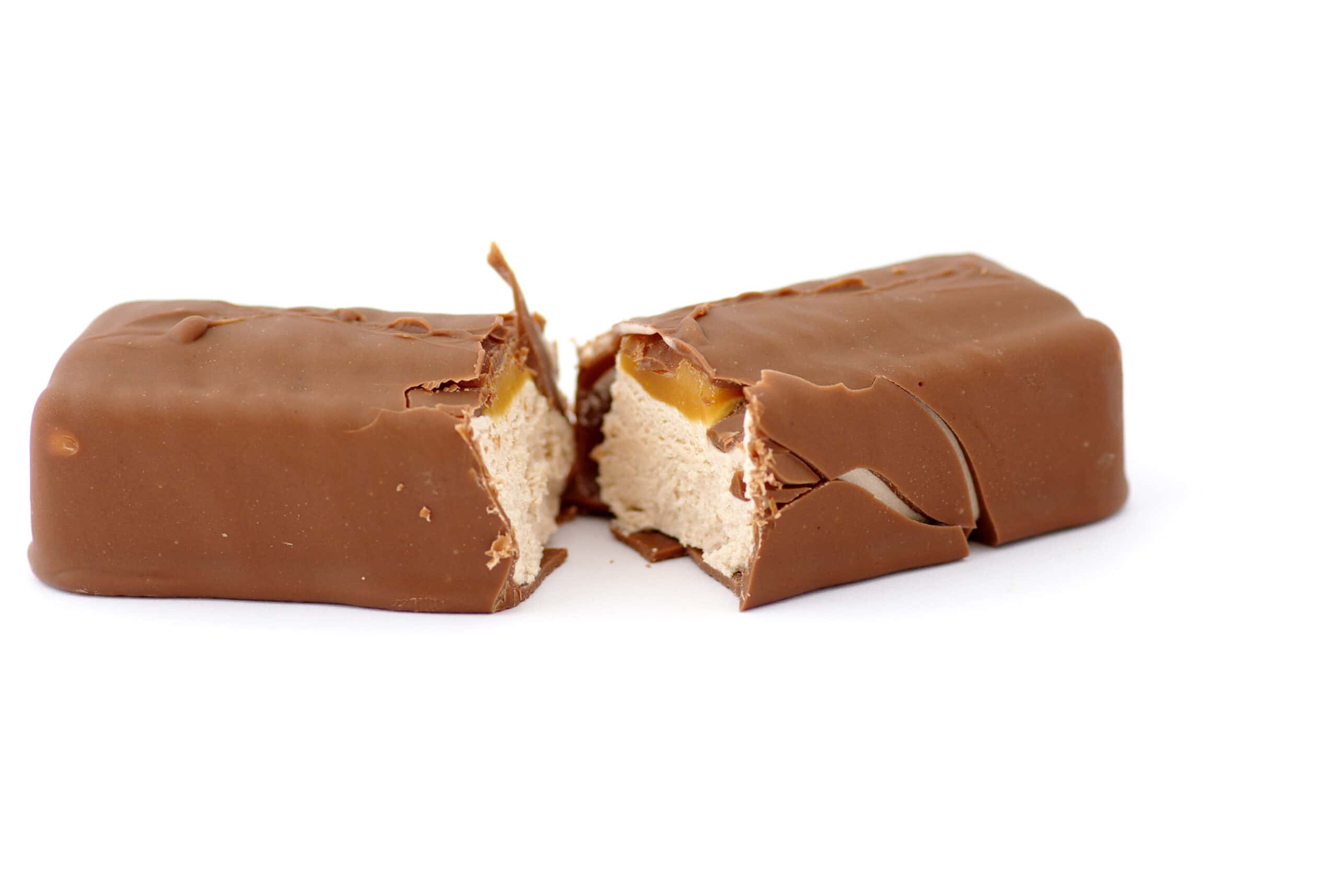
A perfect example is how the familiar form and flavor of Little Debbie’s lunchbox staples, like the Oatmeal Cream Pie and Cosmic Brownie, have been transformed into frozen desserts. Breakfast giant Pop-Tarts has followed suit, along with many classic candy bars.
Whether it’s through format innovation or licensed inclusions, direct 1:1 nostalgic developments aren’t going anywhere.
However, as I discussed in my recent deep dive on the evolution of nostalgia trends, this new era of nostalgic products is about more than just carbon copies of past products.
Today’s consumers want the comfort of the past with the excitement of something new. This requires brands to have an eye on the past while also looking ahead to the future.
This is where internationally inspired indulgence can make a difference. Riding this wave helps redefine retro or acknowledge how global nostalgia has become.
Internationally-Inspired Indulgence
“International flavors continue to gain popularity for their bold and unique flavors, especially with younger generations. But for many millennials and Gen Z, their firsthand experiences with these flavors through travel, diverse friend groups, or culinary exploration are helping make them nostalgic as well,” says Davis.
For developers, the level of established nostalgia is less important than anchors of familiarity and accessibility.
Ingredients like kaya (coconut jam), malted chocolate beverage powder, or pandan are all novel yet accessible.
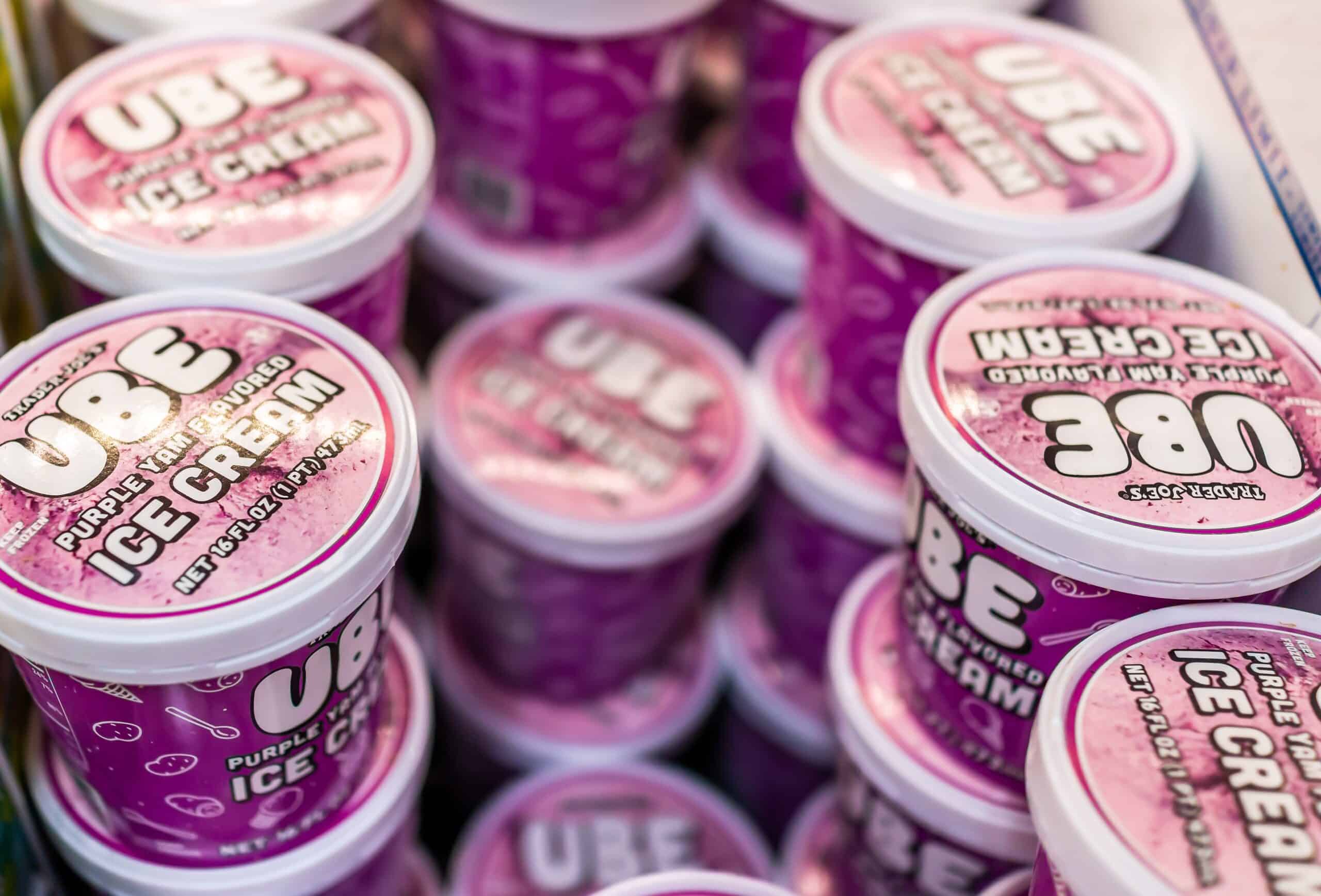
From miso caramel and vanilla chai to ube cheesecake and Dubai chocolate, there are endless possibilities. Connecting tastebud travel with established classics puts nearly everything on the table.
Balancing Innovation & Expectations
Davis stresses that brands should always keep their consumers in mind when leaning into these trends.
“Not every brand is going to want to develop for these trends in the same way. It really depends on who your brand is focused on. Some brands will do better leaning into true nostalgia, where others might want to put a new spin on the classics. Others might have built their reputation on playful and exciting flavor combinations. What matter most is to make these trends work for your brand and meeting your consumers expectations.”
One brand that is finding a way to balance these trends in its LTO offerings is the grocery chain Publix.
It sports an extensive list of returning and new flavors that serve up traditional favorites and newstalgia, like Homerun Caramel Popcorn, Peanut Butter & Jelly, Root Beer Float, and Maple Chocolate Chip Pancake, as well as bolder, more globally inspired twists like Passion Fruit Cheesecake and Bavarian Creme Hot Honey Praline.
#2 Texture as a Differentiator in ice cream trends
In a market where people are literally hungry for new experiences, texture is easily one of the biggest differentiators.
It also offers the perfect canvas for creativity, especially when combining it with international-inspired flavors and nostalgia.
“In addition to maximizing crunchiness, chewy textures are finding success in the ice cream and frozen novelties space,” explains Melanie Oeck, Product Development Manager at Ever Fresh Fruit.
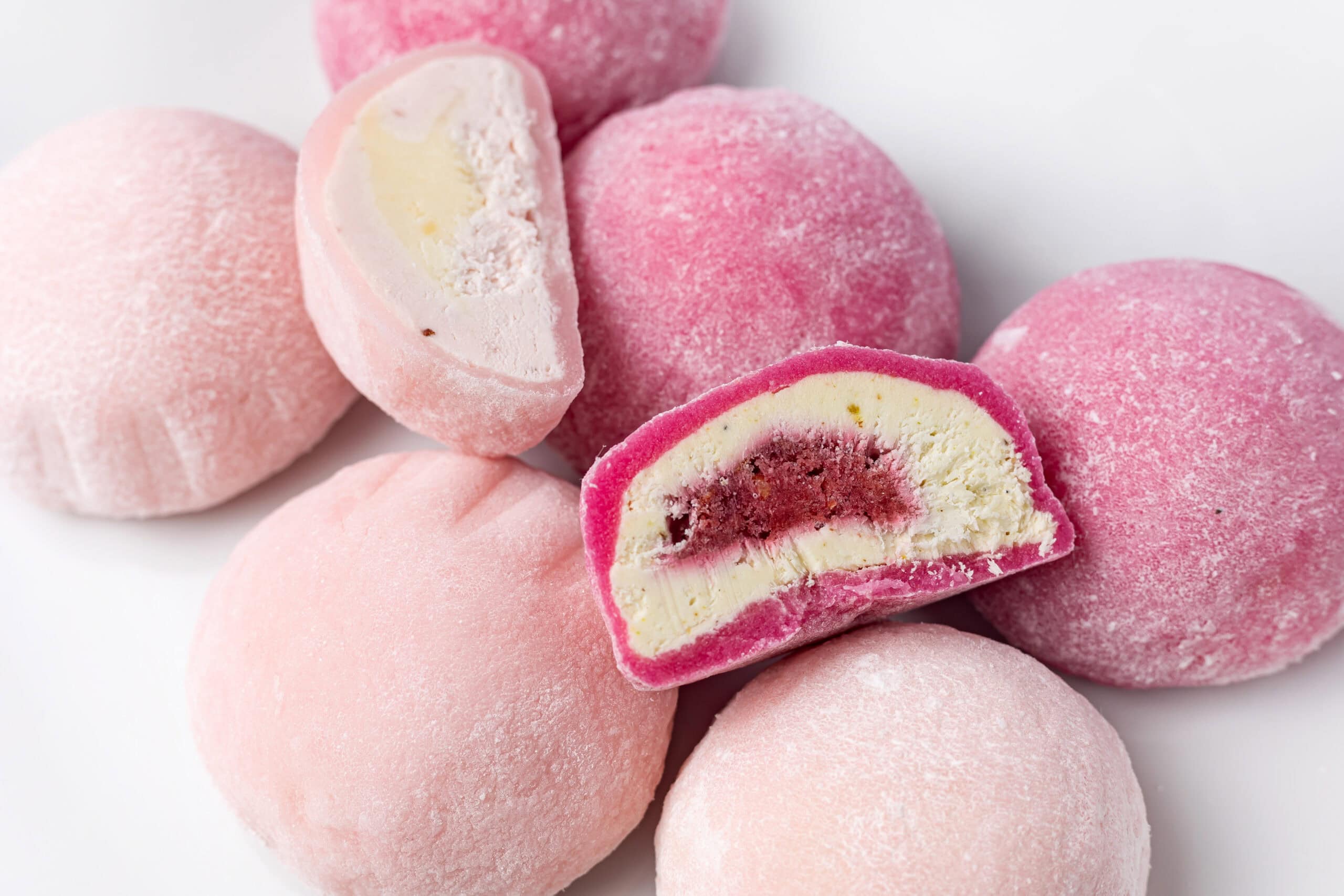
She continues, “Traditionally Asian ingredients like boba and mochi are finding success in frozen desserts, especially among younger generations, who already love and are familiar with them.”
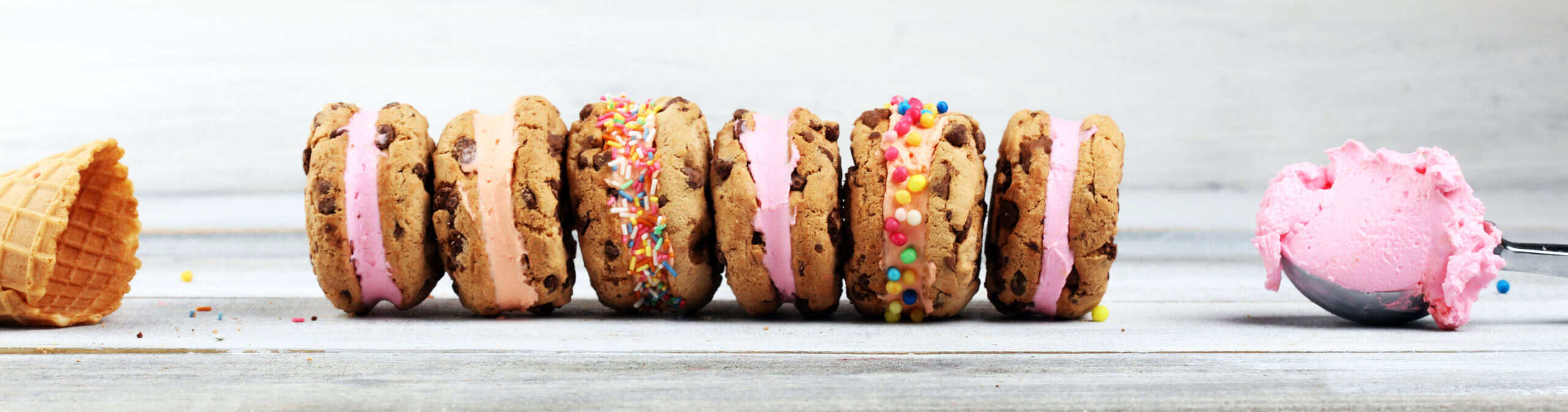
European spins, like macaron ice cream sandwiches, are also adding chewy takes on freezer-aisle favorites.
Creative Crunch & More
However, as Oeck sees it, incorporating international ingredients is far from the only way developers can flex their creative muscles.
“So much of the creativity within the ice cream space comes from contrasting textures. What do you want to add to the ice cream’s creaminess to offer something unique and memorable? This is where developers can use variegates, inclusions, and coatings to really push the envelope.”
While these are nothing new, brands are finding interesting ways to take texture to the next level.
For some, it could be swirling classic sundaes into a quart-sized container, while others might look to translate the speciality scoop shop experience into a grab-n-go pint.
One area that is experiencing a renaissance is liquid chip, particularly in swirls and bar coatings.
“We’re already doing a lot of different flavors with liquid chips, but we’re pushing them even farther than before,” explains Davis.
“Adding things like heat and spice or inclusions for extra crunch or textural variety helps developers use coatings to offer something new and exciting for their consumers.”
Developing Texture Differentiation
Still, Oeck feels it’s important for brands to know that, whether it’s inclusions, swirls, variegates, or coatings, differentiating a product through texture takes more than a good idea to get it right.
“Texture is about impact and expectations. You might want to add coffee grounds or cookies to add grit and sandiness, or try something bold like a creme brulee with shards of shattered sugar, or a s’mores flavor that isn’t recreates the full textural experience. The question is how is this going to maintain its integrity in a frozen system and how will it be perceived when someone finally eats it?”
This is where format innovation could make a difference.
#3 Format & Novelty Ice Cream Trends
It’s impossible to discuss differentiating through texture without considering the role of format innovation and novelty.
Take Life Raft Treat’s viral bucket of “not fried chicken” ice cream drumsticks.
“This product is really unique,” says Davis. “It has a standard ice cream acting as the ‘meat’ but by using a chocolate-coated pretzel the in the middle as the bone, and corn flakes as the ‘fried skin’, it takes something familiar but flips it on it’s head. And at the same time this format innovation offers so much textural variety.”
Sticking with trends in ice cream shaped like other foods is the revival of the chocolate taco.
Perhaps no other product incorporates all of the previously mentioned trends better than this one. This innovative collaboration between Taco Bell and Salt & Straw features a cinnamon-ancho ice cream-stuffed waffle cone taco. That taco is dipped in dark chocolate and crunchy puffed quinoa, finished off with mango jalapeño and wildberry cinnamon sauce.
From nostalgia to global-inspired flavors, maximal texture, and undeniable indulgence, this familiar yet novel offering checks all the boxes.
However, innovative formats don’t have to go to that extreme to gin up excitement. Take the individual coated ice cream “bon bon bites”. All of the indulgence and texture of an ice cream bar or a pint in a convenient format, perfect for portion control…or not.
But novelty isn’t only about formats; some brands are also taking inspiration from nature.
Flavors from the Earth: Botanicals and Fruit Forward Flavors
Botanical-inspired flavors might not be everyone’s cup of tea (literally or figuratively), yet they continue to garner attention.
Why?
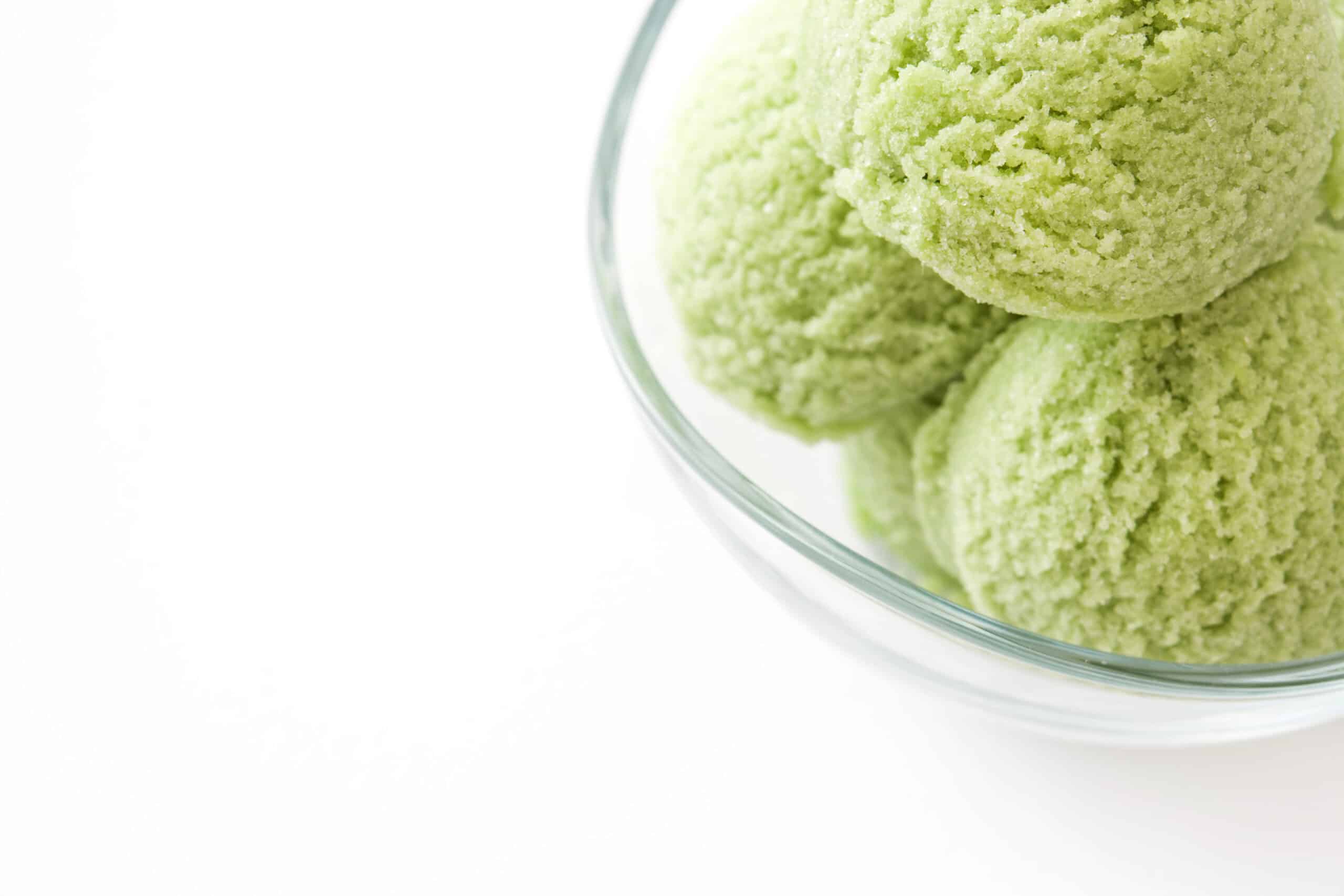
It may come as a result of the overwhelming success of matcha. The earthy green tea went from relatively unknown a decade and a half ago to one of the most recognizable flavors across categories. The North American matcha market alone is projected to hit $3.34 billion by 2033.
Other tea flavors, like Earl Grey and, more recently, matcha’s cousin, hojicha, are inspiring innovative trends in ice cream offerings.
“Fragrant and floral flavors aren’t for everyone, but there is a growing interest in them,” states Oeck. “Lavender and jasmine are becoming more common, but some developers are requesting even more floral profiles like geranium”.
Beyond experimenting with botanicals, there are growing calls to incorporate the refreshing tastes of Asian and other international fruits.
The sour punch of passion fruit, the sophisticated sweetness of Asian pear, and the refreshing lightness of dragon fruit are gaining traction. These international fruits have begun to appear in both retail and commercial environments.
According to Oeck, high-quality locally sourced fruits are something that never goes out of style and continue to see innovation.
“Berries aren’t going anywhere, but we have seen a growing interest in black raspberries in particular. We’ve also seen lemon featured in innovative and unique combinations like lemon black sesame or lemon pepper ice cream.”
The growing interest in ‘natural’ profiles may also reflect consumers’ desire to venture past the health halo, for healthier indulgence.
#4 Health, Plant-Based, Functional, Clean-Label Ice Cream Trends
Cleaner labels are no longer the elephant in the room; they are now something everyone is drawing attention to.
This quest for cleaner ingredients was already gaining momentum well before the recent regulatory shifts began.
With that said, there is no slowing it down at this point, and developers are responding.
For some people, this is a desire for simpler, more natural ingredients.
Specialty pints are helping lead the charge, with front-of-pack proudly showcasing ingredients like A2 milk and organic fruit. Many are sweetened with honey rather than sugar.
For others, healthier means less of the “bad” and more of the “good”.
Low-fat or low-sugar offerings have been around for decades, but more than ever, brands are concerned with taste just as much as with their better-for-you claims.
Then, of course, there’s protein.
Although viral recipes like cottage cheese ice cream might not be destined for store shelves, the protein power of dairy is undeniable.
Naturally, more and more developers are looking to successfully pack as much protein into a permissibly indulgent pint as possible.
Looking past protein, it was only a matter of time before someone tried to bring the gut-health benefits of cultured dairy to ice cream.
Getting Functional: Ice Cream for Breakfast
Breakfast has long been the domain of yogurt and kefir, but why not ice cream?
Alec’s Ice Cream’s new Culture Cup, made with organic ingredients and grass fed A2 dairy. Loaded with prebiotics and probiotics, might just challenge this.
“If you were a mom that looked at this type of ice cream and compared to some of the ‘traditional’ yogurt options, honestly, you might want your kids to go for the ice cream. This shows just how much room there is to play and develop healthier and gut healthy options in the dairy dessert space,” says Davis.
Fiber, whether added or found in fruit, could further unlock the gut-balancing power of ice cream.
Ice cream trends and frozen desserts offer an incredible sandbox for developers to experiment with functional formulations. Yet, it’s still waiting to be fully explored.
Turn Trends Into Products
Whether it’s reimagining childhood favorites, travelling through taste, cleaner labels, or simply trying something new and exciting, there’s never been a better time for ice cream innovation.
But ice cream isn’t the only category ready to take advantage of ongoing trends.
Check back later this month for the second of our part of our series: Roadmap to the Trends that Matter for Food Developers: Bakery.
Want to learn how Ever Fresh can help you turn these ice cream trends into products your consumers will love?
Contact us today to get started.